Medizinonline Medizinonline
  • News
    • News
    • Market & Medicine
  • Patients
    • Disease patterns
    • Diagnostics
    • Therapy
  • Partner Content
    • Dermatology
      • Atopic dermatitis and psoriasis news
    • Diabetes
      • Dia-Month Club – Type 2 Diabetes
      • Diabetes in Motion
      • Diabetes Podcasts
    • Gastroenterology
      • IBD matters
    • Oncology
      • Swiss Oncology in motion
    • Orthopedics
      • Osteoporosis in motion
  • Departments
    • Allergology and clinical immunology
    • General Internal Medicine
    • Anesthesiology
    • Angiology
    • Surgery
    • Dermatology and venereology
    • Endocrinology and Diabetology
    • Nutrition
    • Gastroenterology and Hepatology
    • Genetics
    • Geriatrics
    • Gynecology
    • Hematology
    • Infectiology
    • Cardiology
    • Nephrology
    • Neurology
    • Emergency and intensive care medicine
    • Nuclear Medicine
    • Oncology
    • Ophthalmology
    • ORL
    • Orthopedics
    • Pediatrics
    • Pharmacology and toxicology
    • Pharmaceutical medicine
    • Phlebology
    • Physical medicine and rehabilitation
    • Pneumology
    • Prevention and health care
    • Psychiatry and psychotherapy
    • Radiology
    • Forensic Medicine
    • Rheumatology
    • Sports Medicine
    • Traumatology and trauma surgery
    • Tropical and travel medicine
    • Urology
    • Dentistry
  • CME & Congresses
    • CME continuing education
    • Congress Reports
    • Congress calendar
  • Practice
    • Noctimed
    • Practice Management
    • Jobs
    • Interviews
  • Log In
  • Register
  • My account
  • Contact
  • Publications
  • Contact
  • Deutsch
  • English
  • Français
  • Italiano
  • Português
  • Español
Subscribe
Medizinonline Medizinonline
  • News
    • News
    • Market & Medicine
  • Patienten
    • Krankheitsbilder
    • Diagnostik
    • Therapie
  • Partner Content
    • Dermatology
      • Atopic dermatitis and psoriasis news
    • Diabetes
      • Dia-Month Club – Type 2 Diabetes
      • Diabetes in Motion
      • Diabetes Podcasts
    • Gastroenterology
      • IBD matters
    • Oncology
      • Swiss Oncology in motion
    • Orthopedics
      • Osteoporosis in motion
    • Phytotherapie
    • Rheumatology
  • Departments
    • Fachbereiche 1-13
      • Allergology and clinical immunology
      • General Internal Medicine
      • Anesthesiology
      • Angiology
      • Surgery
      • Dermatology and venereology
      • Endocrinology and Diabetology
      • Nutrition
      • Gastroenterology and Hepatology
      • Genetics
      • Geriatrics
      • Gynecology
      • Hematology
    • Fachbereiche 14-26
      • Infectiology
      • Cardiology
      • Nephrology
      • Neurology
      • Emergency and intensive care medicine
      • Nuclear Medicine
      • Oncology
      • Ophthalmology
      • ORL
      • Orthopedics
      • Pediatrics
      • Pharmacology and toxicology
      • Pharmaceutical medicine
    • Fachbereiche 26-38
      • Phlebology
      • Physical medicine and rehabilitation
      • Phytotherapy
      • Pneumology
      • Prevention and health care
      • Psychiatry and psychotherapy
      • Radiology
      • Forensic Medicine
      • Rheumatology
      • Sports Medicine
      • Traumatology and trauma surgery
      • Tropical and travel medicine
      • Urology
      • Dentistry
  • CME & Congresses
    • CME continuing education
    • Congress Reports
    • Congress calendar
  • Practice
    • Noctimed
    • Practice Management
    • Jobs
    • Interviews
Login

Sie haben noch keinen Account? Registrieren

  • Severe COVID-19 courses

Which lung patients need special protection

    • Infectiology
    • News
    • Pneumology
    • RX
  • 2 minute read

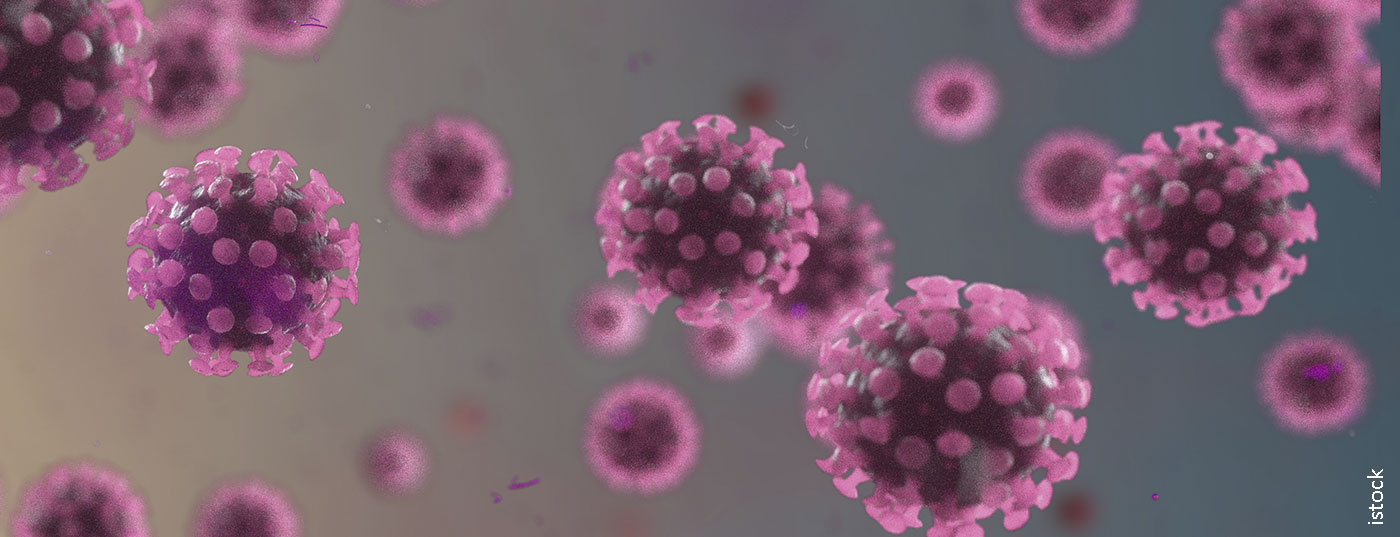
Most people who become infected with the new SARS-CoV-2 coronavirus do not become severely ill. However, patients with chronic respiratory and pulmonary diseases are particularly confused. The German Society for Pneumology and Respiratory Medicine (DGP) has issued a recent statement on which of these patients have a higher risk of severe disease progression.

In the majority of patients affected by COVID-19, the course of the disease is mild to moderate and symptoms are present for an average of 11.5 days after infection. According to the Robert Koch Institute, eight to ten percent of COVID-19 patients are hospitalized in Germany. “This figure probably still overestimates the proportion of severe cases, since especially at the beginning of the pandemic not only the severity of the disease, but partly also the necessary isolation was the reason for admission,” says Professor Torsten Bauer, MD, Deputy DGP President. “This is reflected in the relatively low proportion of intensive care treatments of only eight percent of these hospitalized cases.” The current estimated probability of dying from COVID-19 is less than one percent (based on the estimated total of all infected persons), according to currently available data. However, mortality rates vary considerably depending on the age group. Thus, older patients are more frequently affected than younger ones.

Many patients with chronic respiratory and pulmonary diseases, such as asthma or COPD, are concerned about the current pandemic and fear they are more at risk from SARS-CoV-2 than healthy individuals. “Patients want the best possible protection against infection,” said Professor Marek Lommatzsch, MD, senior physician at the Department of Pneumology at the University of Rostock and speaker of the German Lung Conference. “But physicians, who have a duty to provide appropriate and meaningful protective measures to their patients, are also confused.” Therefore, risk assessment is of particular importance for patient groups with pre-existing respiratory and pulmonary diseases.

COPD patients at higher risk

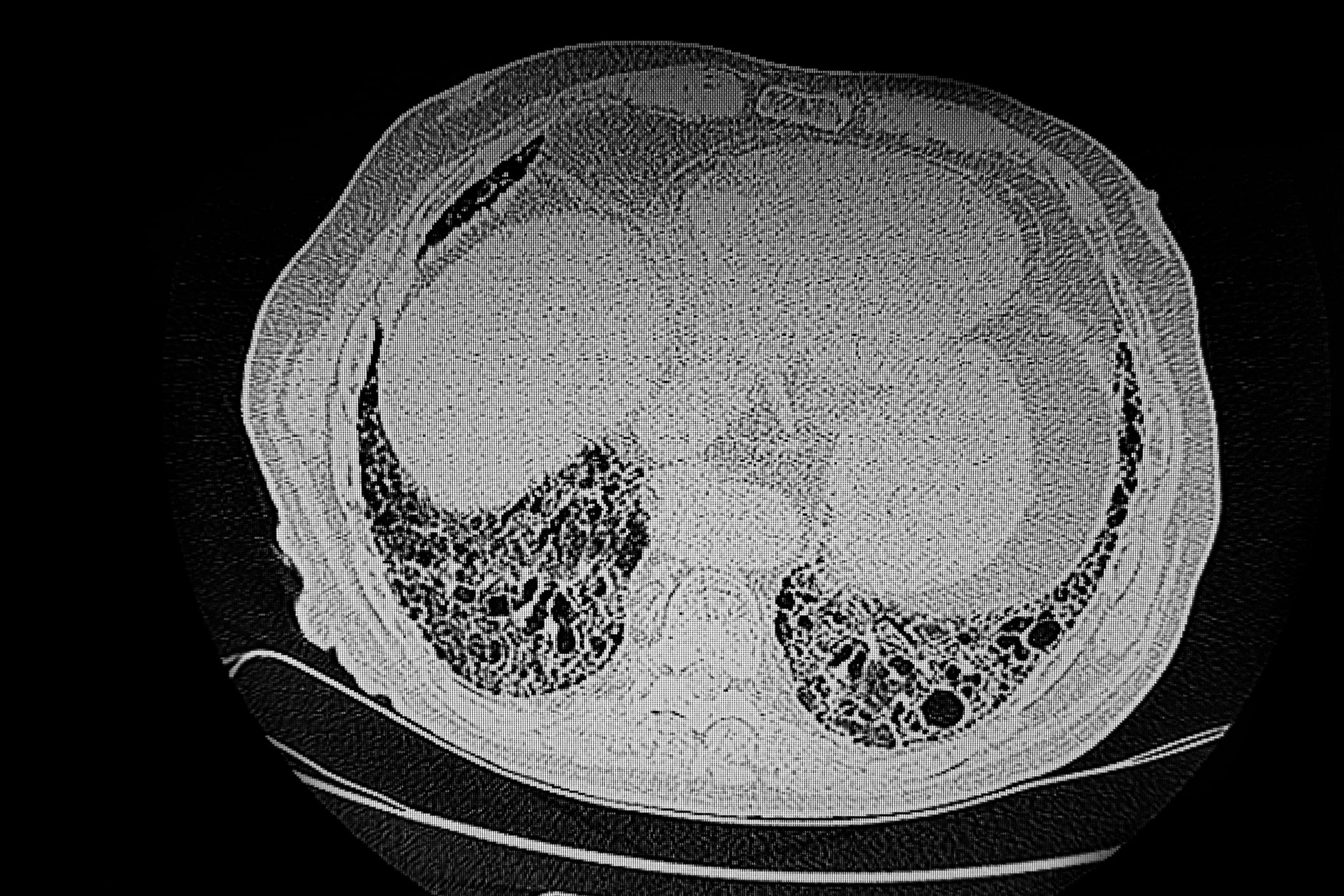
In the paper, “Risk Assessment in Patients with Chronic Respiratory and Pulmonary Diseases in the Context of the SARS-CoV-2 Pandemic,” DGP experts assess the risk of certain patient groups (for example, those with asthma, COPD, lung cancer, or sleep apnea) to suffer a severe COVID-19 illness and explain which patient groups need special protection. For example, well-treated patients with asthma are not at increased risk for severe COVID-19 courses. The situation is different for people with COPD: “From the data available so far, there are indications that patients with COPD have a higher risk of severe COVID-19 courses. In the presence of cardiovascular comorbidity, patients with COPD can be assumed to have a significantly increased risk,” explains Lommatzsch.

Experts advise all patients with chronic respiratory and pulmonary diseases to strictly follow the recommendations of the Robert Koch Institute. In particular, the distance requirements, hygiene rules and vaccination recommendations should be observed. The complete recommendations of the DGP can be found on the website of the professional society. They are regularly updated based on the daily new findings on COVID-19: https://pneumologie.de/aktuelles-service/covid-19/

Source: German Society for Pneumology and Respiratory Medicine (DGP)


InFo PNEUMOLOGY & ALLERGOLOGY 2020; 2(2): 4 (published 6/18/20, ahead of print).

Autoren
  • Jens Dehn
Publikation
  • InFo PNEUMOLOGIE & ALLERGOLOGIE
Related Topics
  • Asthma
  • COPD
  • CORONA
  • covid
  • sars-cov-2
Previous Article
  • Post-traumatic stress disorder

Updated guidelines support effective therapy algorithm

  • Congress Reports
  • Psychiatry and psychotherapy
  • RX
View Post
Next Article
  • SARS-CoV-2

What next? Coping strategies and future scenarios

  • Congress Reports
  • Infectiology
  • News
  • Prevention and health care
  • RX
View Post
You May Also Like
View Post
  • 5 min
  • Evidence-based diagnostics and treatment in the medical setting

Anxiety and depression disorders in adolescence

    • Education
    • Pediatrics
    • Pharmacology and toxicology
    • Psychiatry and psychotherapy
    • RX
    • Studies
View Post
  • 25 min
  • Neuroenhancement

Can you swallow intelligence? Relevant substance classes times for healthy people

    • CME continuing education
    • Neurology
    • Pharmacology and toxicology
    • Psychiatry and psychotherapy
    • RX
    • Studies
View Post
  • 9 min
  • Microbiome, inflammaging and affective/cognitive health

Gut-brain axis in old age

    • Education
    • Gastroenterology and Hepatology
    • General Internal Medicine
    • Geriatrics
    • Neurology
    • Nutrition
    • Prevention and health care
    • RX
    • Studies
View Post
  • 6 min
  • Vitiligo - the level of suffering should not be underestimated

A lot can be achieved therapeutically nowadays

    • Congress Reports
    • Dermatology and venereology
    • RX
    • Studies
View Post
  • 12 min
  • Patient-centered rounds in medicine

Aligning care with the patient

    • CME continuing education
    • Education
    • General Internal Medicine
    • Prevention and health care
    • RX
    • Studies
View Post
  • 14 min
  • Adrenogenital syndrome

Clinical care from birth to adulthood

    • CME continuing education
    • Endocrinology and Diabetology
    • Nephrology
    • Pediatrics
    • RX
    • Studies
View Post
  • 4 min
  • Communication between hospitals and outpatient care

How does a digital clinical information system prove itself in everyday practice?

    • Education
    • General Internal Medicine
    • Practice Management
    • Prevention and health care
    • RX
View Post
  • 5 min
  • Chronic and hard-to-heal wounds

Benefit from the advantages of outpatient negative pressure wound therapy

    • Congress Reports
    • Dermatology and venereology
    • Endocrinology and Diabetology
    • General Internal Medicine
    • Geriatrics
    • Physical medicine and rehabilitation
    • RX
    • Studies
  • IBD matters

    Zum Thema
Top CME content
  • 1
    Can you swallow intelligence? Relevant substance classes times for healthy people
  • 2
    Clinical care from birth to adulthood
  • 3
    Aligning care with the patient
  • 4
    Control instead of a flood of data: AI makes big data and wearables usable
  • 5
    Causes and prevention at work

Newsletter

Sign up and stay up to date

Subscribe
Medizinonline Medizinonline
  • Contact
  • General terms and conditions
  • Imprint

Input your search keywords and press Enter.