Medizinonline Medizinonline
  • News
    • News
    • Market & Medicine
  • Patients
    • Disease patterns
    • Diagnostics
    • Therapy
  • Partner Content
    • Diabetes
      • Dia-Month Club – Type 2 Diabetes
      • Diabetes in Motion
      • Diabetes Podcasts
    • Gastroenterology
      • IBD matters
    • Oncology
      • Swiss Oncology in motion
    • Orthopedics
      • Osteoporosis in motion
  • Departments
    • Allergology and clinical immunology
    • General Internal Medicine
    • Anesthesiology
    • Angiology
    • Surgery
    • Dermatology and venereology
    • Endocrinology and Diabetology
    • Nutrition
    • Gastroenterology and Hepatology
    • Genetics
    • Geriatrics
    • Gynecology
    • Hematology
    • Infectiology
    • Cardiology
    • Nephrology
    • Neurology
    • Emergency and intensive care medicine
    • Nuclear Medicine
    • Oncology
    • Ophthalmology
    • ORL
    • Orthopedics
    • Pediatrics
    • Pharmacology and toxicology
    • Pharmaceutical medicine
    • Phlebology
    • Physical medicine and rehabilitation
    • Pneumology
    • Prevention and health care
    • Psychiatry and psychotherapy
    • Radiology
    • Forensic Medicine
    • Rheumatology
    • Sports Medicine
    • Traumatology and trauma surgery
    • Tropical and travel medicine
    • Urology
    • Dentistry
  • CME & Congresses
    • CME continuing education
    • Congress Reports
    • Congress calendar
  • Practice
    • Noctimed
    • Practice Management
    • Jobs
    • Interviews
  • Log In
  • Register
  • My account
  • Contact
  • Publications
  • Contact
  • Deutsch
  • English
  • Français
  • Italiano
  • Português
  • Español
Subscribe
Medizinonline Medizinonline
  • News
    • News
    • Market & Medicine
  • Patienten
    • Krankheitsbilder
    • Diagnostik
    • Therapie
  • Partner Content
    • Diabetes
      • Dia-Month Club – Type 2 Diabetes
      • Diabetes in Motion
      • Diabetes Podcasts
    • Gastroenterology
      • IBD matters
    • Oncology
      • Swiss Oncology in motion
    • Orthopedics
      • Osteoporosis in motion
    • Phytotherapie
    • Rheumatology
  • Departments
    • Fachbereiche 1-13
      • Allergology and clinical immunology
      • General Internal Medicine
      • Anesthesiology
      • Angiology
      • Surgery
      • Dermatology and venereology
      • Endocrinology and Diabetology
      • Nutrition
      • Gastroenterology and Hepatology
      • Genetics
      • Geriatrics
      • Gynecology
      • Hematology
    • Fachbereiche 14-26
      • Infectiology
      • Cardiology
      • Nephrology
      • Neurology
      • Emergency and intensive care medicine
      • Nuclear Medicine
      • Oncology
      • Ophthalmology
      • ORL
      • Orthopedics
      • Pediatrics
      • Pharmacology and toxicology
      • Pharmaceutical medicine
    • Fachbereiche 26-38
      • Phlebology
      • Physical medicine and rehabilitation
      • Phytotherapy
      • Pneumology
      • Prevention and health care
      • Psychiatry and psychotherapy
      • Radiology
      • Forensic Medicine
      • Rheumatology
      • Sports Medicine
      • Traumatology and trauma surgery
      • Tropical and travel medicine
      • Urology
      • Dentistry
  • CME & Congresses
    • CME continuing education
    • Congress Reports
    • Congress calendar
  • Practice
    • Noctimed
    • Practice Management
    • Jobs
    • Interviews
Login

Sie haben noch keinen Account? Registrieren

  • Obesity

Knee osteoarthritis prevention for adolescents

    • Education
    • General Internal Medicine
    • Orthopedics
    • Pediatrics
    • RX
    • Studies
  • 3 minute read

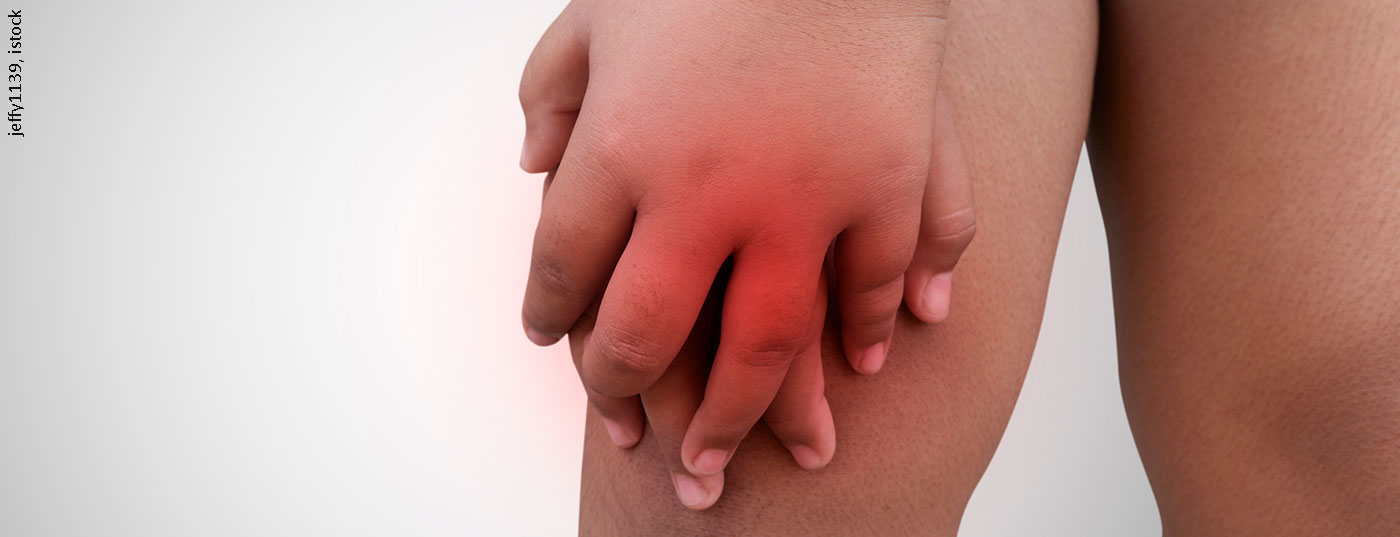
Being overweight increases the risk of developing joint arthrosis at an early stage. In the project “Children’s KNEEs” a physiotherapeutic training program was developed and evaluated from a clinical and biomechanical point of view. The conclusion was positive.

According to WHO, the number of people with obesity has nearly tripled in the last three decades, and approximately 340 million adults and children are overweight or obese [1]. Data from Austria show that about 17 percent of children there are overweight and seven percent suffer from obesity – and the trend is rising [2]. Due to stresses on bones and joints, obesity is a significant risk factor for arthritic damage.

Increased risk of joint arthrosis

Studies have found a strong association between obesity and its negative effects on biomechanical processes during locomotion [3]. Especially the combination of increased body weight and biomechanical misalignments (e.g. of the leg axis) can lead to increased and thus non-physiological joint loading in the hip, knee and ankle joints. If this additional load persists over a longer period of time, this can lead to an increased risk of developing joint arthrosis at an early stage [4]. Multiple methods of evaluation and diagnosis of movement disorders form an essential basis for treatment strategies in gait and movement rehabilitation.


Leg axis training is effective

The Children’s KNEEs project is a randomized controlled clinical trial in children and adolescents with obesity to evaluate a structured exercise program as a preventive measure against degenerative joint disease. One of the aims of the study was to show on the basis of empirical data that such programs are effective and can contribute to a reduction in costs in the health care system through prophylactic effects.

Subjects were assigned to the leg axis training condition (n=19) or the control group (n=16). Among other things, 3D gait analyses were performed with regard to walking and stair climbing, and various self-rating parameters were collected. The evaluations show that leg axis training contributed to a positive change in gait pattern and there was evidence of reduction in hip adduction and pelvic depression.

At 12 weeks after baseline, an increase in hip and knee muscle strength was measurable in the leg axis training group [3]. This effect was strongest with respect to the hip abductors. There were no significant changes in self-rating scores (knee function, pain, discomfort). According to the authors of the study, the results of this study demonstrate that leg axis training is an effective short-term intervention measure to counteract the development of biomechanical deformities of the lower extremities. The training offered as part of the study was found to be feasible, although more attractive programs may help improve adherence.

According to Dr. Barbara Wondrasch, the project’s lead physiotherapist, the development of evidence-based and attractive training programs is essential: “Only if young people follow the program over a longer period of time can sustainable improvements in gait be achieved,” she says.

Literature:

  1. World Health Organization (WHO), Fact Sheet Obesity and overweight, World Health Organ (n.d.). www.who.int/news-room/fact-sheets/detail/obesity-and-overweight, last access 30 Oct. 2019.
  2. Science Information Service (idw): Leg axis training for overweight children: study and evaluation to prevent knee osteoarthritis. Mark Hammer Marketing and Corporate Communications University of Applied Sciences St. Pölten. SEP. 19, 2019, https://idw-online.de
  3. Horsak B, et al: However, low adherence highlights the need for more attractive programs. Effects of a lower extremity exercise program on gait biomechanics and clinical outcomes in children and adolescents with obesity: A randomized controlled trial. Gait & Posture 2019; 70: 122-129, https://doi.org/10.1016/j.gaitpost.2019.02.032
  4. FH St. Pölten: The Children’s KNEEs Study, https://research.fhstp.ac.at/projekte/the-children-s-knees-study


HAUSARZT PRAXIS 2019; 14(11): 17
Autoren
  • Mirjam Peter, M.Sc.
Publikation
  • HAUSARZT PRAXIS
Related Topics
  • Gait analysis
  • knee
  • Knee Osteoarthritis
  • Obesity
  • Osteoarthritis
Previous Article
  • Penile carcinoma

New S3 Guideline: Diagnostics, Therapy and Follow-up Care

  • Congress Reports
  • Oncology
  • RX
  • Urology
View Post
Next Article
  • Hypertension and kidney disease

Antihypertensives can prevent renal replacement therapy

  • Cardiology
  • Education
  • General Internal Medicine
  • Nephrology
  • RX
View Post
You May Also Like
View Post
  • 5 min
  • Viloxazine for ADHD

A non-stimulating option—but with limited evidence

    • RX
    • Education
    • Neurology
    • Pediatrics
    • Pharmacology and toxicology
    • Psychiatry and psychotherapy
    • Studies
View Post
  • 6 min
  • Preclinical study on phytotherapeutic agent

Active ingredient combination of peppermint and caraway oil modified fecal microbiota

    • RX
    • Education
    • Gastroenterology and Hepatology
    • General Internal Medicine
    • Pharmaceutical medicine
    • Phytotherapy
    • Studies
View Post
  • 4 min
  • Casuistry

Rituximab used effectively against IgG4-RD colitis

    • RX
    • Cases
    • Education
    • Gastroenterology and Hepatology
    • General Internal Medicine
    • Radiology
    • Rheumatology
View Post
  • 5 min
  • Sarcoidosis

New options from JAKi to mTOR

    • RX
    • Congress Reports
    • General Internal Medicine
    • Pneumology
    • Studies
View Post
  • 6 min
  • Head and neck squamous cell carcinoma

Precision immunotherapy and local treatment

    • RX
    • Congress Reports
    • Dermatology and venereology
    • Oncology
    • ORL
    • Studies
View Post
  • 3 min
  • From symptom to diagnosis

Abdominal pain – Prostate cysts

    • RX
    • Cases
    • Education
    • General Internal Medicine
    • Radiology
    • Surgery
    • Urology
View Post
  • 0 min
  • Multimodal Parkinson's Treatment

Positive Effects of a Music-Based Intervention

    • RX
    • Education
    • Geriatrics
    • Neurology
    • Physical medicine and rehabilitation
    • Psychiatry and psychotherapy
View Post
  • 8 min
  • Psychooncology

Communication as the key to therapy adherence

    • RX
    • CME continuing education
    • General Internal Medicine
    • Practice Management
  • IBD matters

    Zum Thema
Top CME content
  • 1
    Current State of Knowledge and New Therapeutic Approaches
  • 2
    Why is it so hard to lose weight?
  • 3
    Functional limb preservation between infection control, vascular medicine and resurfacing
  • 4
    Algorithms, avatars and the unburdened mind
  • 5
    Communication as the key to therapy adherence

Newsletter

Sign up and stay up to date

Subscribe
Medizinonline Medizinonline
  • Contact
  • General terms and conditions
  • Imprint

Input your search keywords and press Enter.