Medizinonline Medizinonline
  • News
    • News
    • Market & Medicine
  • Patients
    • Disease patterns
    • Diagnostics
    • Therapy
  • Partner Content
    • Dermatology
      • Atopic dermatitis and psoriasis news
    • Diabetes
      • Dia-Month Club – Type 2 Diabetes
      • Diabetes in Motion
      • Diabetes Podcasts
    • Gastroenterology
      • IBD matters
    • Oncology
      • Swiss Oncology in motion
    • Orthopedics
      • Osteoporosis in motion
  • Departments
    • Allergology and clinical immunology
    • General Internal Medicine
    • Anesthesiology
    • Angiology
    • Surgery
    • Dermatology and venereology
    • Endocrinology and Diabetology
    • Nutrition
    • Gastroenterology and Hepatology
    • Genetics
    • Geriatrics
    • Gynecology
    • Hematology
    • Infectiology
    • Cardiology
    • Nephrology
    • Neurology
    • Emergency and intensive care medicine
    • Nuclear Medicine
    • Oncology
    • Ophthalmology
    • ORL
    • Orthopedics
    • Pediatrics
    • Pharmacology and toxicology
    • Pharmaceutical medicine
    • Phlebology
    • Physical medicine and rehabilitation
    • Pneumology
    • Prevention and health care
    • Psychiatry and psychotherapy
    • Radiology
    • Forensic Medicine
    • Rheumatology
    • Sports Medicine
    • Traumatology and trauma surgery
    • Tropical and travel medicine
    • Urology
    • Dentistry
  • CME & Congresses
    • CME continuing education
    • Congress Reports
    • Congress calendar
  • Practice
    • Noctimed
    • Practice Management
    • Jobs
    • Interviews
  • Log In
  • Register
  • My account
  • Contact
  • Publications
  • Contact
  • Deutsch
  • English
  • Français
  • Italiano
  • Português
  • Español
Subscribe
Medizinonline Medizinonline
  • News
    • News
    • Market & Medicine
  • Patienten
    • Krankheitsbilder
    • Diagnostik
    • Therapie
  • Partner Content
    • Dermatology
      • Atopic dermatitis and psoriasis news
    • Diabetes
      • Dia-Month Club – Type 2 Diabetes
      • Diabetes in Motion
      • Diabetes Podcasts
    • Gastroenterology
      • IBD matters
    • Oncology
      • Swiss Oncology in motion
    • Orthopedics
      • Osteoporosis in motion
    • Phytotherapie
    • Rheumatology
  • Departments
    • Fachbereiche 1-13
      • Allergology and clinical immunology
      • General Internal Medicine
      • Anesthesiology
      • Angiology
      • Surgery
      • Dermatology and venereology
      • Endocrinology and Diabetology
      • Nutrition
      • Gastroenterology and Hepatology
      • Genetics
      • Geriatrics
      • Gynecology
      • Hematology
    • Fachbereiche 14-26
      • Infectiology
      • Cardiology
      • Nephrology
      • Neurology
      • Emergency and intensive care medicine
      • Nuclear Medicine
      • Oncology
      • Ophthalmology
      • ORL
      • Orthopedics
      • Pediatrics
      • Pharmacology and toxicology
      • Pharmaceutical medicine
    • Fachbereiche 26-38
      • Phlebology
      • Physical medicine and rehabilitation
      • Phytotherapy
      • Pneumology
      • Prevention and health care
      • Psychiatry and psychotherapy
      • Radiology
      • Forensic Medicine
      • Rheumatology
      • Sports Medicine
      • Traumatology and trauma surgery
      • Tropical and travel medicine
      • Urology
      • Dentistry
  • CME & Congresses
    • CME continuing education
    • Congress Reports
    • Congress calendar
  • Practice
    • Noctimed
    • Practice Management
    • Jobs
    • Interviews
Login

Sie haben noch keinen Account? Registrieren

  • Rare skin diseases

Clouston syndrome – a hidrotic ectodermal dysplasia.

    • Congress Reports
    • Dermatology and venereology
    • Genetics
    • RX
  • 2 minute read

Clouston syndrome is an autosomal dominant inherited disorder characterized by the leading symptoms of hyperkeratosis, nail dystrophy and alopecia. The syndrome is caused by mutations in the GJB6 gene, which encodes the gap junction protein connexin-30.

The first description of this rare disease was made in 1929 by the Canadian physician H.R. Clouston. The exact prevalence is not known, probably the syndrome is not always diagnosed. The most regular symptom is nail changes, which may be present at birth or in early neonatal life. Typically, the nails are thickened, grow slowly, and are brittle, often hyperconvex, discolored, and striated. Additional symptoms include microonychia, onycholysis, and recurrent paronychia with loss of nails. Another characteristic symptom is total to partial, often progressive alopecia, which is present at birth or occurs in infancy/childhood. The remaining main hair grows slowly and is sparse, fine and brittle. Eyebrows, eyelashes and body hair are often sparse as well. Palmoplantar hyperkeratosis does not occur regularly. When present, it usually begins in childhood and tends to worsen with advancing age. In some patients, hyperkeratosis and hyperpigmentation also develop over joints and bony prominences.

Casuistry: Example from everyday clinical practice

A research team from the dermatology department of the University Hospital of Lausanne described the following patient example from a family with Canadian roots: the 4-year-old girl has brittle, brittle hair and hypotrichosis, as well as hyperkeratotic nails and slightly reddened and thickened palms and soles. In the father, palmoplantar lesions extend to the borders of the feet and hands, Achilles tendon, and ankles. If cracks form, pain occurs when walking. Similar problems have occurred over at least four generations. Some of the family members were bald, while others had more palmoplantar keratoderma and nail abnormalities, and others showed few symptoms. Molecular genetic testing revealed a heterozygous mutation in the GJB6 gene. Skin biopsy showed hyperkeratosis but little inflammatory change, which was confirmed by the absence of an inflammatory signature of transcriptomic analyses.

Treatment options

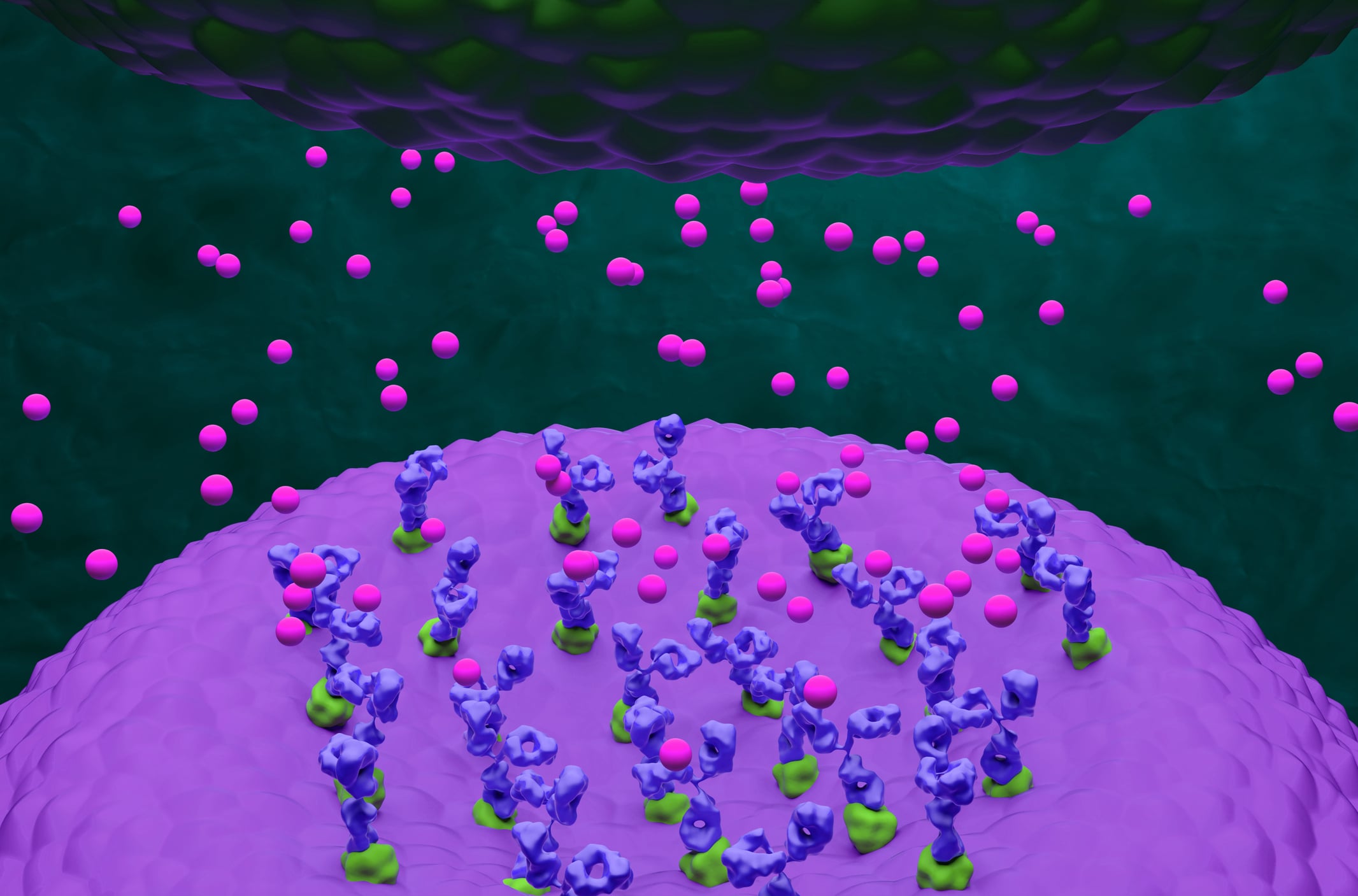
To date, only symptomatic treatment options exist for Clouston syndrome. These include topical keratolytics, oral retinoids, and orthopedic devices to reduce pressure. In an animal model using Cx30A88V/A88V adult mice, an antibody against connexin 30 resulted in a decrease in gap junction hemichannel activity. According to Morren et al. this may be a new treatment approach. Connexins are a family of transmembrane proteins that form gap junctions in cells and allow the direct exchange of molecules up to about 1 kDa in size between neighboring cells.

Sources:

  • Orphanet, www.orpha.net,(last accessed Feb 09, 2023).
  • Morren MA, et al: Clouston syndrome: a rare form of ectodermal dysplasia. Poster 15, abstract volume, SGDV Annual Meeting, 9-11.2022.


DERMATOLOGIE PRAXIS 2023; 33(1): 37 (published 2/14/2013, ahead of print).

Autoren
  • Mirjam Peter, M.Sc.
Publikation
  • DERMATOLOGIE PRAXIS
Related Topics
  • Alopecia
  • autosomal dominant
  • clouston
  • Connexin-30
  • dysplsie
  • ectodermal dysplasia
  • Gap junction protein
  • GJB6 gene
  • hidrotic
  • hyperkeratosis
  • Mutations
  • Nail dystrophy
  • Rare disease
  • Rare skin diseases
  • Syndrome
Previous Article
  • Type 2 diabetes

Prevention of macrovascular complications – an update.

  • Cardiology
  • Congress Reports
  • Endocrinology and Diabetology
  • General Internal Medicine
  • Prevention and health care
  • RX
  • Studies
View Post
Next Article
  • Chronic renal failure in nondiabetic patients

Additive benefit of combination therapy with modern active substances

  • Education
  • General Internal Medicine
  • Nephrology
  • RX
  • Studies
View Post
You May Also Like
View Post
  • 9 min
  • Cardiology

Minimally invasive – the quiet triumph of modern heart surgery

    • Cardiology
    • CME continuing education
    • RX
    • Studies
    • Surgery
View Post
  • 0 min
  • Plastic surgery and reconstructive microsurgery for DFS

Functional limb preservation between infection control, vascular medicine and resurfacing

    • Angiology
    • CME continuing education
    • Endocrinology and Diabetology
    • General Internal Medicine
    • Geriatrics
    • Physical medicine and rehabilitation
    • RX
    • Surgery
View Post
  • 6 min
  • Age-related neurocognitive disorders

Neuroprotective effects of Ginkgo biloba extract

    • Education
    • Geriatrics
    • Neurology
    • Pharmaceutical medicine
    • Phytotherapy
    • RX
    • Studies
View Post
  • 6 min
    • Education
    • Endocrinology and Diabetology
    • Pneumology
    • Psychiatry and psychotherapy
    • RX
    • Studies

How origin and place of residence promote CF-associated diabetes

View Post
  • 10 min
  • Patients with leg swelling

DVT and other common DDs with peripheral edema

    • Angiology
    • Cardiology
    • Congress Reports
    • Geriatrics
    • RX
View Post
  • 4 min
  • Pancreatic Cancer

Innovative early detection with a focus on liquid biopsy and AI

    • Education
    • Gastroenterology and Hepatology
    • Oncology
    • Prevention and health care
    • RX
View Post
  • 22 min
  • Cervical Cancer

HPV prevention, screening innovation and sentinel lymph node biopsy

    • CME continuing education
    • Gynecology
    • Infectiology
    • Oncology
    • Prevention and health care
    • RX
    • Studies
View Post
  • 5 min
  • Polypharmacy: use of eHealth tools in Switzerland

Survey study in primary care

    • General Internal Medicine
    • Practice Management
    • Prevention and health care
    • RX
    • Studies
  • IBD matters

    Zum Thema
Top CME content
  • 1
    Functional limb preservation between infection control, vascular medicine and resurfacing
  • 2
    Minimally invasive – the quiet triumph of modern heart surgery
  • 3
    HPV prevention, screening innovation and sentinel lymph node biopsy
  • 4
    Clinical care from birth to adulthood
  • 5
    Multidisciplinary teams in oncology

Newsletter

Sign up and stay up to date

Subscribe
Medizinonline Medizinonline
  • Contact
  • General terms and conditions
  • Imprint

Input your search keywords and press Enter.