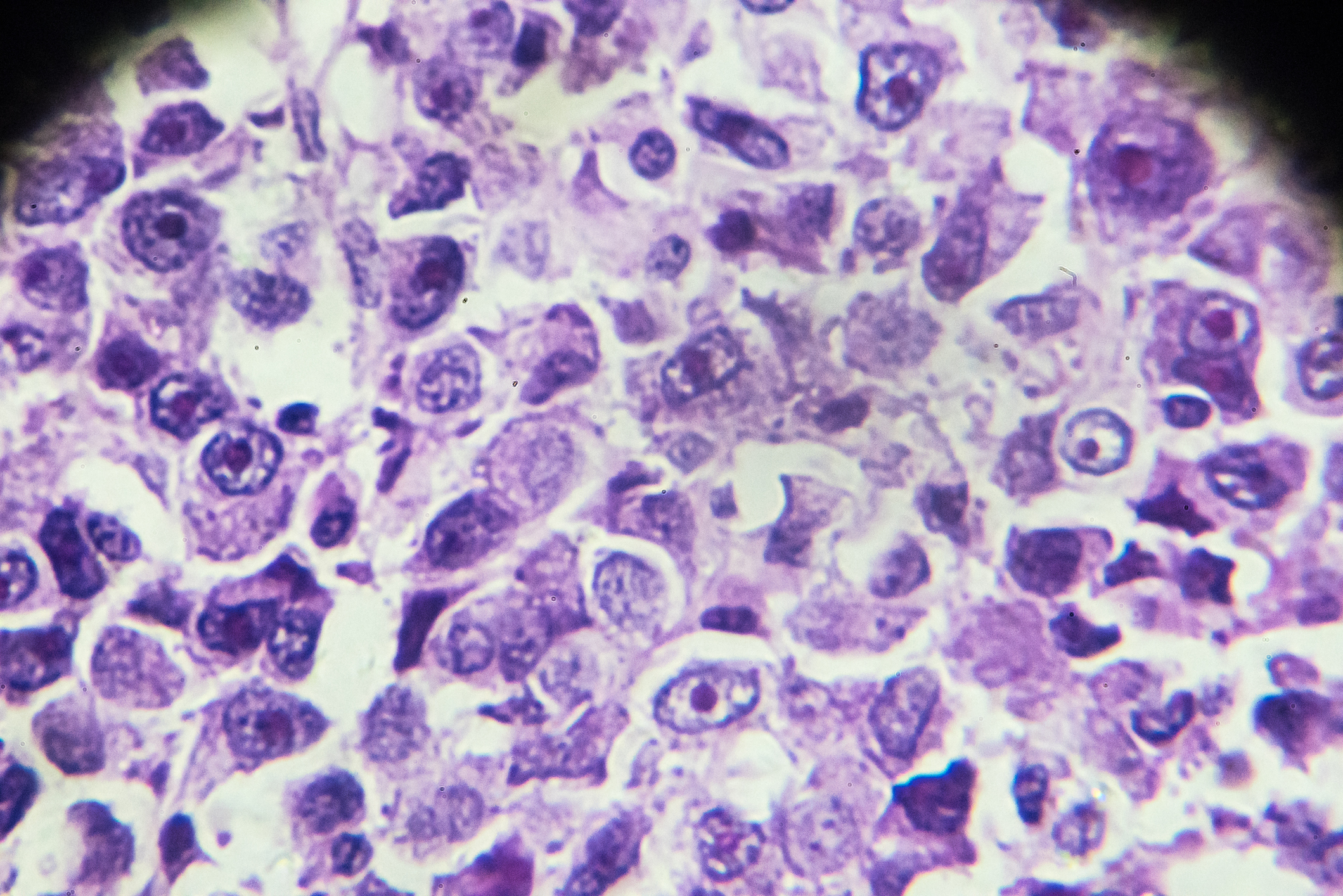
Polycystic liver disease (PLD) is characterized by multiple, usually progressively increasing cysts of the liver. It is the most common extrarenal manifestation of autosomal dominant polycystic kidney disease (ADPKD). The varied symptoms are caused by the compression of various organs as a result of the cysts.
Autoren
- Dr. med. Hans-Joachim Thiel
Publikation
- HAUSARZT PRAXIS

Related Topics
You May Also Like
- From symptom to diagnosis
Abdominal pain – Prostate lipoma
- Acute pulmonary embolism: new AHA/ACC guideline
Practical recommendations for risk-stratified triage
- Why lipoprotein(a) is the biggest therapeutic vacuum in cardiology
Lp(a): The underestimated risk factor before the turning point
- Modern system therapeutics for hidradenitis suppurativa
Immunological dysregulation in the sights of several biologics and “small molecules”
- Perimenopausal depression, PMDS and tokophobia
Psychosomatics and mental health in gynecology
- Proteins in wound healing
Do special amino acids lead to success?
- Plastic surgery and reconstructive microsurgery for DFS
Functional limb preservation between infection control, vascular medicine and resurfacing
- Polycystic ovary syndrome 2025/2026