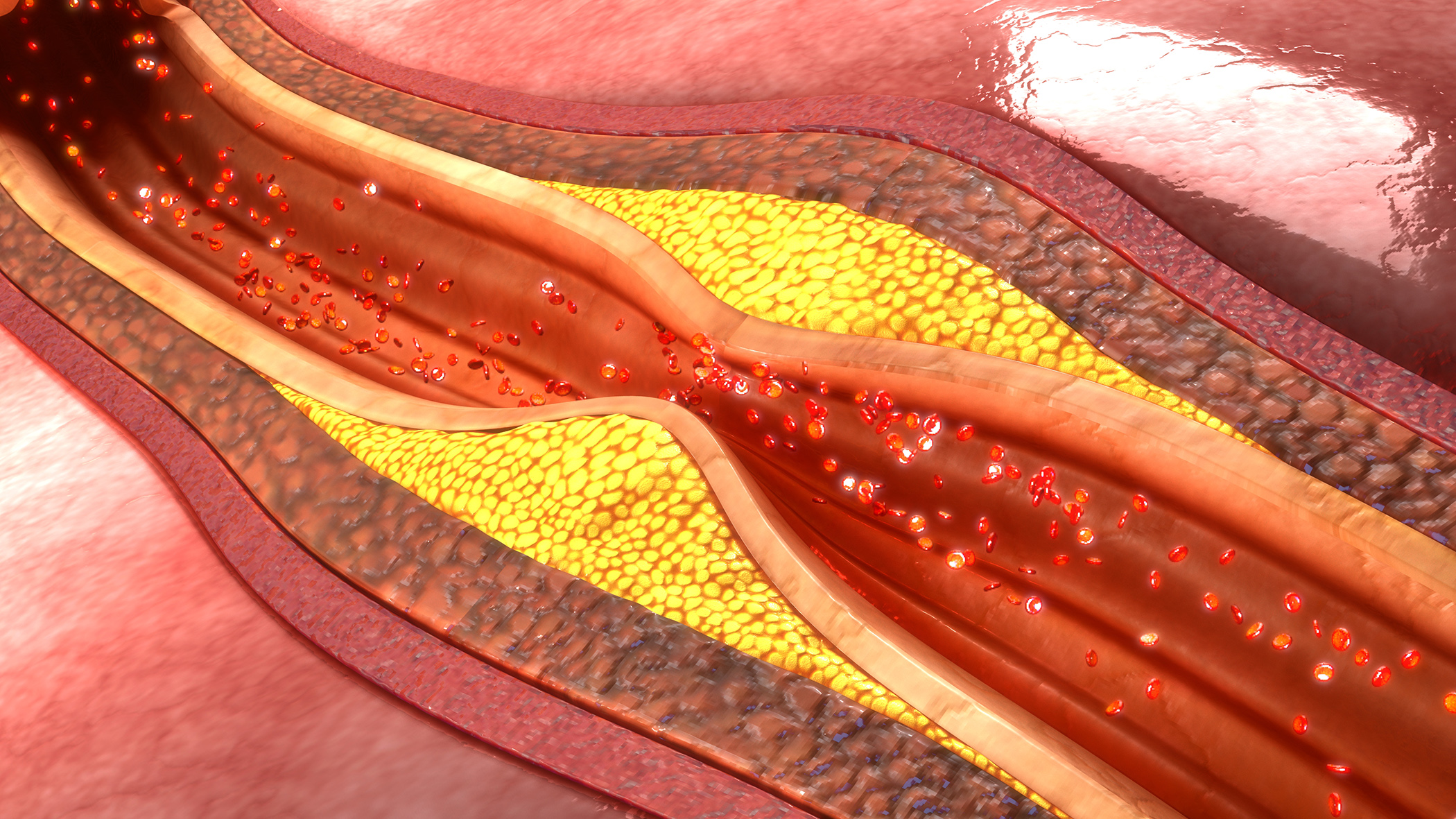
Coronary heart disease (CHD) is one of the most common heart diseases worldwide and is currently grouped into two syndromes: acute coronary syndrome (ACS) and chronic coronary syndrome (CCS). Following revascularization, patients with ACS and CCS are usually treated in the medium and long term by both general practitioners and cardiologists. The current guidelines of the European Society of Cardiology (ESC) emphasize that the assessment of the individual ischemia and bleeding risk is an important basis for the choice of an adequate antithrombotic strategy.
Autoren
- Mirjam Peter, M.Sc.
Publikation
- HAUSARZT PRAXIS
Related Topics
You May Also Like
- Contact eczema
Causes and prevention at work
- Pulmonary hypertension
PH and lung diseases
- Respiratory infections: viral bronchitis or bacterial pneumonia?
Old crucial question in the light of current findings
- What biomarkers reveal about "biological youth" - and what not (yet)
Epigenetic ageing
- Amyotrophic lateral sclerosis and nutrition
Calorie optimization in ALS through digital intervention
- "Forgotten axis" between plant substances, gut and systemic health
Microbiome and phytotherapy
- HIV: updated EACS guideline
Individualized approach to sustainable prevention and care
- Evidence-based diagnostics and treatment in the medical setting