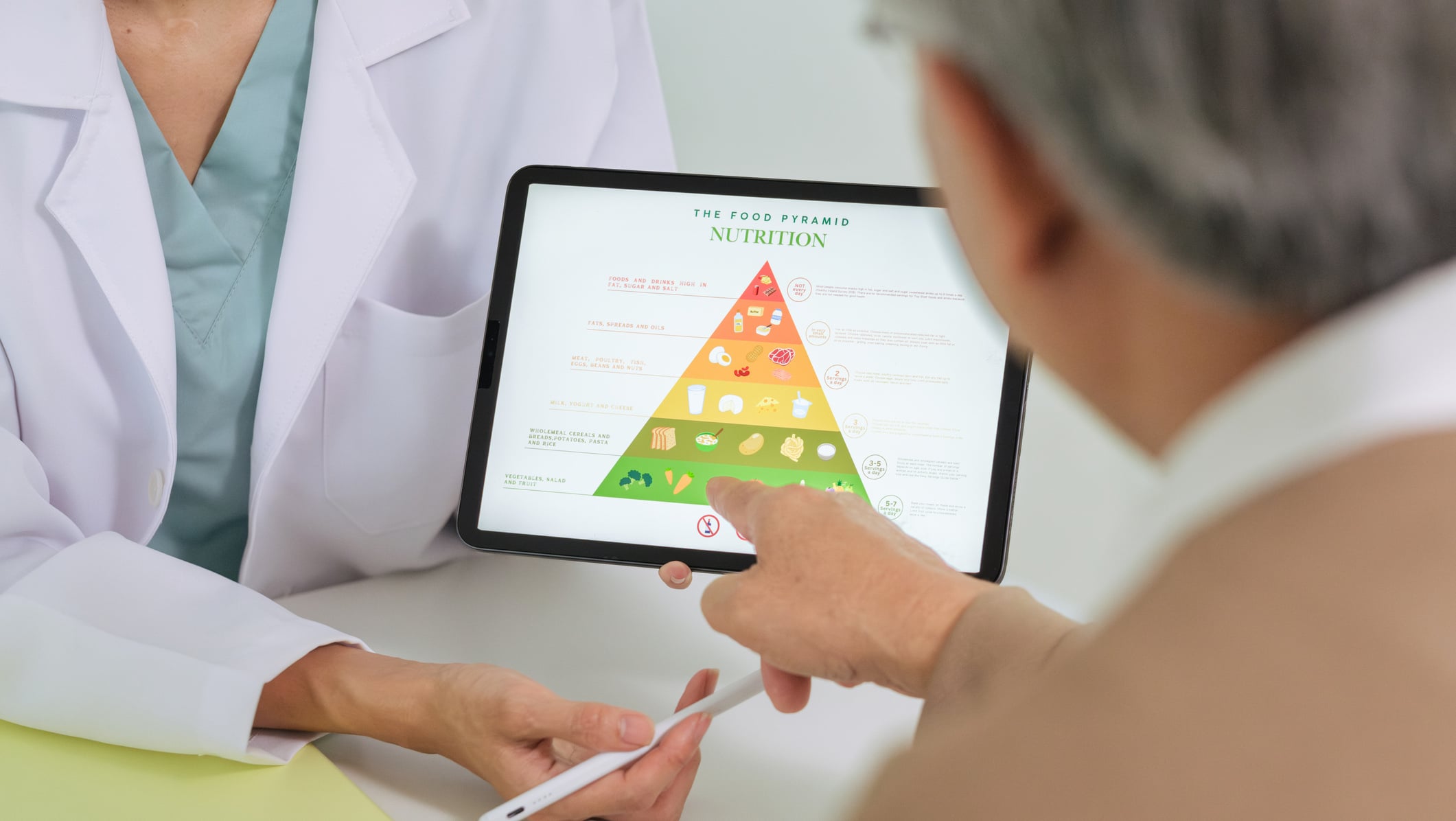
Extrinsic and intrinsic factors contribute to older adults being less likely to meet the recommended daily intake of micronutrients. This can have significant negative health consequences. Micronutrients that are particularly critical in terms of intake include vitamin D, vitamin B12, and magnesium. However, as is the case in other population groups, there is also a common risk of deficiency in iron, folic acid, and calcium.
Autoren
- Mirjam Peter, M.Sc.
Publikation
- HAUSARZT PRAXIS
- Ernährung/Adipositas-Special

Related Topics
You May Also Like
- Congenital Vascular Malformations
Personalized Treatment Before a Planned Pregnancy
- Fibromyalgia Syndrome
Development, Diagnosis, Epidemiology, and Treatment of a Disease Entity
- Clinically Suspected Arthralgias
“Watchful waiting” or intervention?
- Tumors of the Calcaneus
Diagnostic Challenges of Rare Heel Tumors
- Upper GI Tract Bleeding: Hematemesis, Hematochezia, or Melena?
From Risk Stratification to Post-Endoscopic Management
- Obesity, Nutrition, and Mental Health
Depression, Binge Eating, Internalized Stigma
- From Hypertension to Heart Failure?
When and how to intervene
- Switzerland's First PTH Replacement Therapy