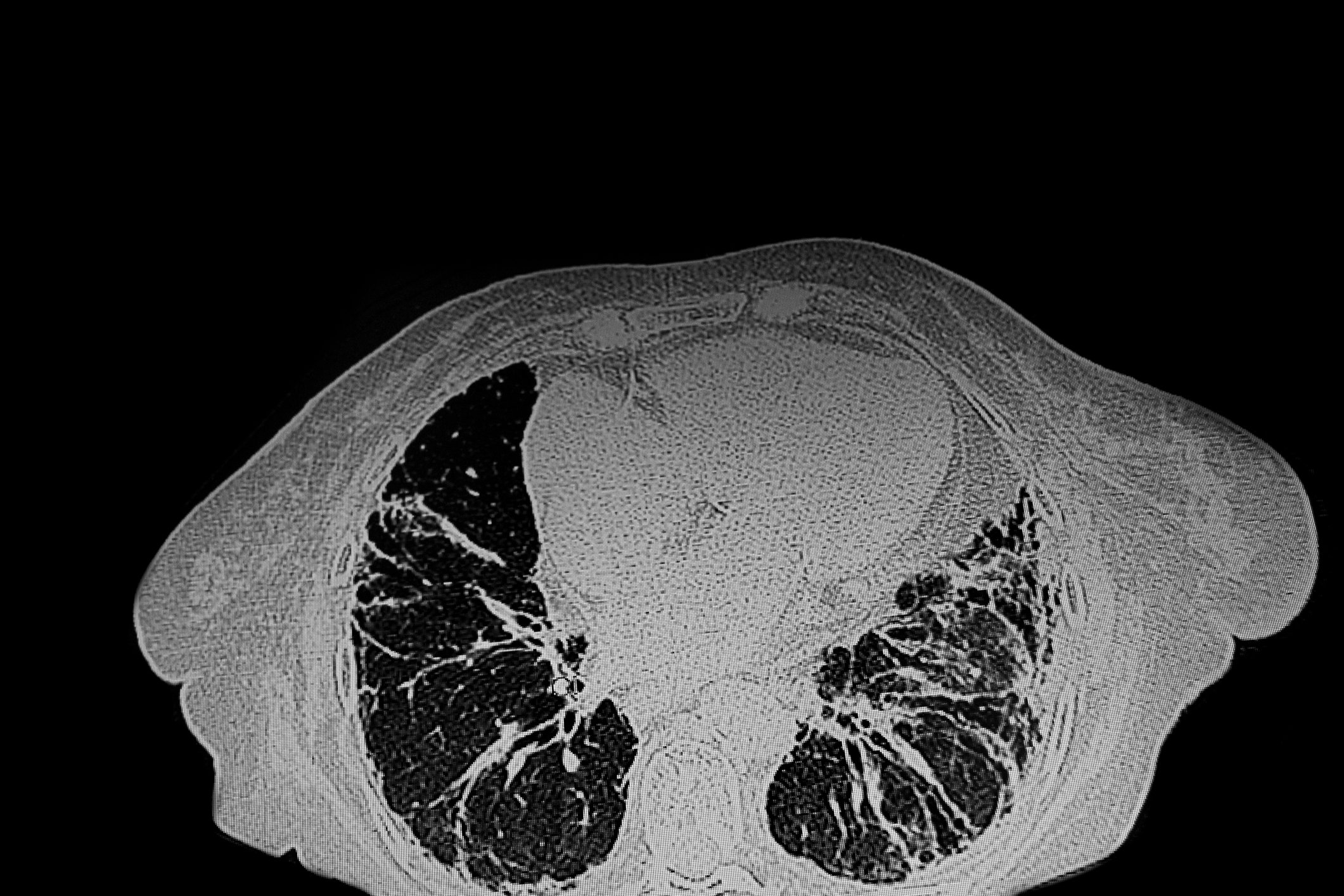
The hypertrophic pyloric muscle can be visualized by an ultrasound examination. In clinically unclear cases, an X-ray diagnosis is useful. A characteristic abnormal feature is the presence of a large gastric bubble in the abdominal overview image. If necessary, the use of computerized tomography or magnetic resonance imaging should also be considered in order to verify the diagnosis or for the purpose of differential diagnosis.
Autoren
- Dr. med. Hans-Joachim Thiel
Publikation
- GASTROENTEROLOGIE PRAXIS
Related Topics
You May Also Like
- Risk of osteoporosis in autoimmune liver diseases
Always determine bone density in PBC, PSC and AIH
- Case report: Complication after type 2 diabetes
Topical corticosteroids lead to ketoacidosis
- NSCLC
Bispecific antibodies for rare EGFR mutations
- Type 2 diabetes - glycemic control and prevention of secondary diseases
Utilizing pleiotropic cardio- and nephroprotective effects of SGLT-2-i and GLP-1-RA
- Subsyndromal anxiety disorders: Family doctor as first point of contact
Practical recommendations for diagnostics and therapy
- Patient-centered rounds in medicine
Aligning care with the patient
- Restless legs syndrome in children
Relationship between restless legs syndrome and growing pains
- Between hope and evidence gaps