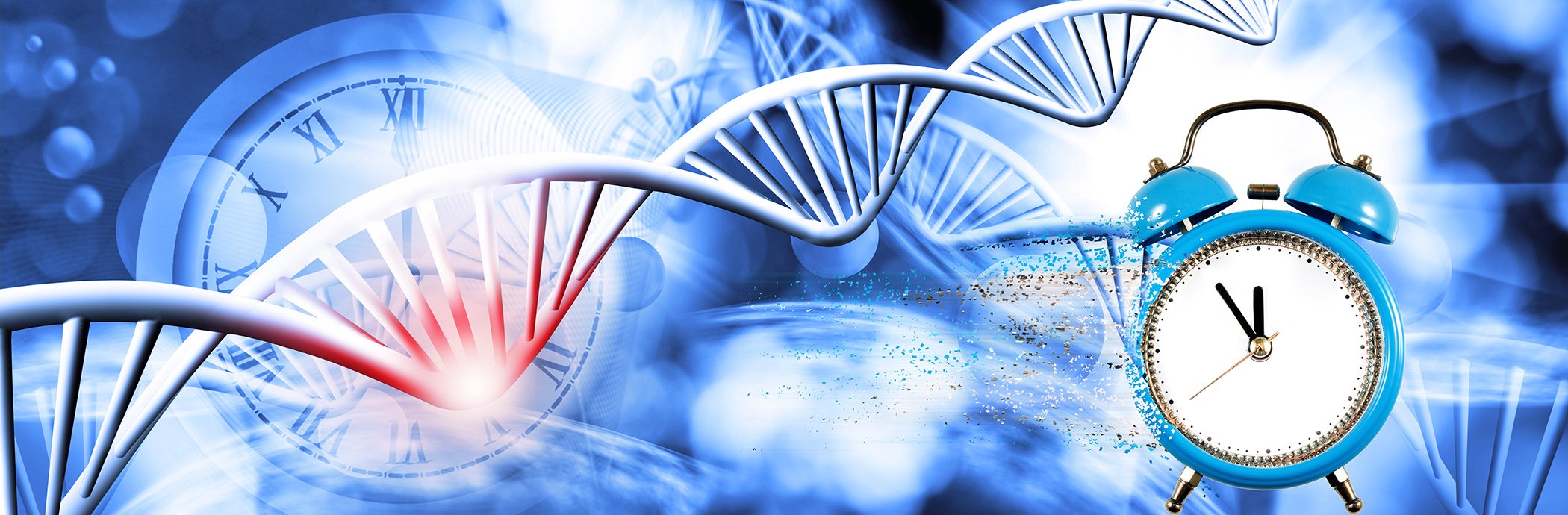
In recent years, epigenetic clocks based on DNA methylation have evolved from research tools to widely used biomarkers of biological ageing. They correlate not only with chronological age, but also – depending on the “clock generation” – with morbidity, functional outcomes and mortality risks. At the same time, the step into clinical routine is challenging: measurement accuracy, comparability between tests, population generalizability and clinical decision limits have so far only been partially standardized.
Publikation
- Longevity-Special
You May Also Like
- How do weight loss interventions affect the muscles?
Reflective evaluation: do not neglect qualitative aspects
- From biomarkers to gene therapies
Getting to know ataxias
- Evidence-based therapy for psoriasis in difficult locations
IL-23 inhibition in scalp psoriasis: what’s new?
- Obesity in the family practice
Aim for realistic goals and avoid apportioning blame
- Evidence, pathophysiology and management in the light of current data
Heart failure with improved ejection fraction (HFimpEF)
- Early rheumatoid arthritis
C1M has potential as a biomarker
- Osteoporosis
Risk-stratified therapy with osteoanabolic agents improves outcomes
- "Swiss Health Care Atlas"