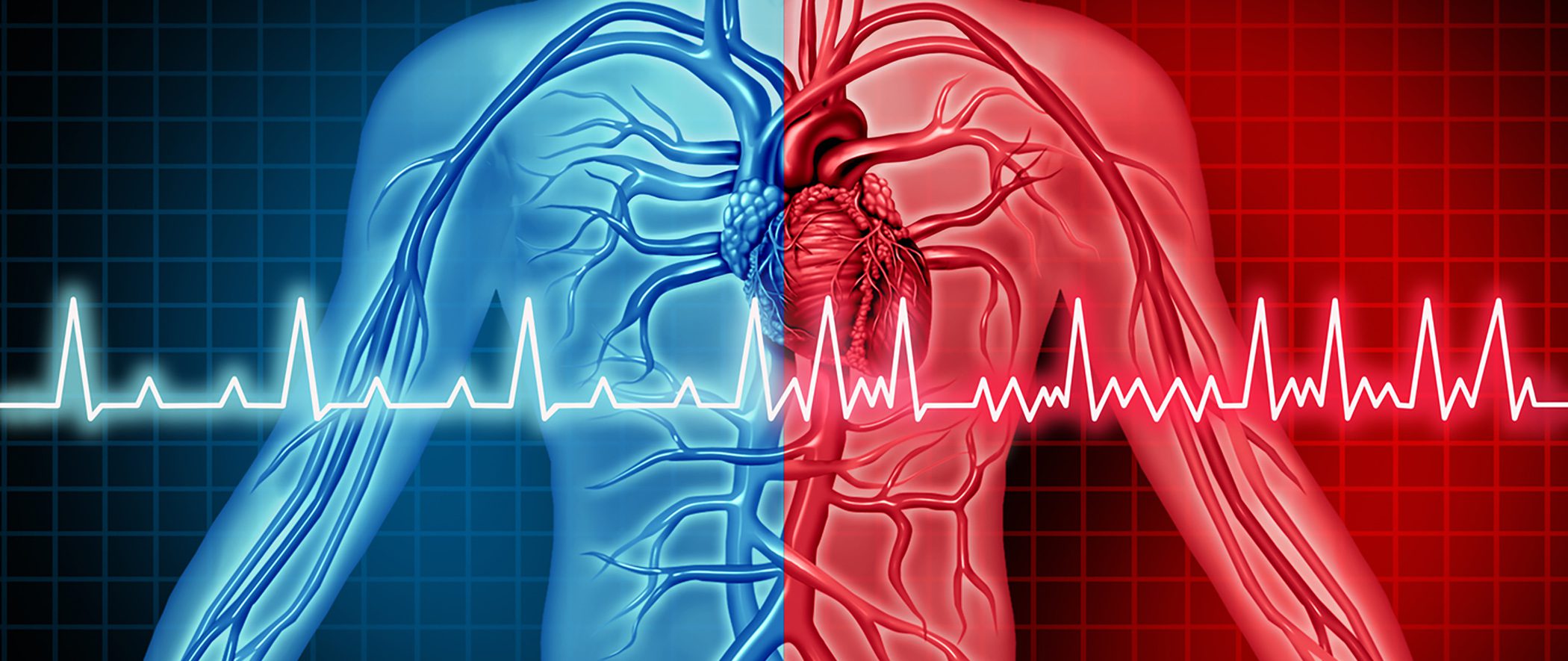
The global increase in diabetes mellitus is leading to a parallel increase in the incidence of cardiovascular complications, which remain the leading cause of death in this patient group. In recent years, the discovery of ferroptosis, an iron-dependent and non-apoptotic form of programmed cell death, has provided new insights into the pathophysiology of diabetes-associated heart disease. This review article deepens the understanding of the molecular mechanisms underlying ferroptosis in the cardiovascular system in diabetes and highlights innovative pharmacological and experimental therapeutic approaches that target ferroptosis pathways.
Publikation
- CARDIOVASC
- InFo DIABETOLOGIE & ENDOKRINOLOGIE