Medizinonline Medizinonline
  • News
    • News
    • Market & Medicine
  • Patients
    • Disease patterns
    • Diagnostics
    • Therapy
  • Partner Content
    • Diabetes
      • Dia-Month Club – Type 2 Diabetes
      • Diabetes in Motion
      • Diabetes Podcasts
    • Gastroenterology
      • IBD matters
    • Oncology
      • Swiss Oncology in motion
    • Orthopedics
      • Osteoporosis in motion
  • Departments
    • Allergology and clinical immunology
    • General Internal Medicine
    • Anesthesiology
    • Angiology
    • Surgery
    • Dermatology and venereology
    • Endocrinology and Diabetology
    • Nutrition
    • Gastroenterology and Hepatology
    • Genetics
    • Geriatrics
    • Gynecology
    • Hematology
    • Infectiology
    • Cardiology
    • Nephrology
    • Neurology
    • Emergency and intensive care medicine
    • Nuclear Medicine
    • Oncology
    • Ophthalmology
    • ORL
    • Orthopedics
    • Pediatrics
    • Pharmacology and toxicology
    • Pharmaceutical medicine
    • Phlebology
    • Physical medicine and rehabilitation
    • Pneumology
    • Prevention and health care
    • Psychiatry and psychotherapy
    • Radiology
    • Forensic Medicine
    • Rheumatology
    • Sports Medicine
    • Traumatology and trauma surgery
    • Tropical and travel medicine
    • Urology
    • Dentistry
  • CME & Congresses
    • CME continuing education
    • Congress Reports
    • Congress calendar
  • Practice
    • Noctimed
    • Practice Management
    • Jobs
    • Interviews
  • Log In
  • Register
  • My account
  • Contact
  • Publications
  • Contact
  • Deutsch
  • English
  • Français
  • Italiano
  • Português
  • Español
Subscribe
Medizinonline Medizinonline
  • News
    • News
    • Market & Medicine
  • Patienten
    • Krankheitsbilder
    • Diagnostik
    • Therapie
  • Partner Content
    • Diabetes
      • Dia-Month Club – Type 2 Diabetes
      • Diabetes in Motion
      • Diabetes Podcasts
    • Gastroenterology
      • IBD matters
    • Oncology
      • Swiss Oncology in motion
    • Orthopedics
      • Osteoporosis in motion
    • Phytotherapie
    • Rheumatology
  • Departments
    • Fachbereiche 1-13
      • Allergology and clinical immunology
      • General Internal Medicine
      • Anesthesiology
      • Angiology
      • Surgery
      • Dermatology and venereology
      • Endocrinology and Diabetology
      • Nutrition
      • Gastroenterology and Hepatology
      • Genetics
      • Geriatrics
      • Gynecology
      • Hematology
    • Fachbereiche 14-26
      • Infectiology
      • Cardiology
      • Nephrology
      • Neurology
      • Emergency and intensive care medicine
      • Nuclear Medicine
      • Oncology
      • Ophthalmology
      • ORL
      • Orthopedics
      • Pediatrics
      • Pharmacology and toxicology
      • Pharmaceutical medicine
    • Fachbereiche 26-38
      • Phlebology
      • Physical medicine and rehabilitation
      • Phytotherapy
      • Pneumology
      • Prevention and health care
      • Psychiatry and psychotherapy
      • Radiology
      • Forensic Medicine
      • Rheumatology
      • Sports Medicine
      • Traumatology and trauma surgery
      • Tropical and travel medicine
      • Urology
      • Dentistry
  • CME & Congresses
    • CME continuing education
    • Congress Reports
    • Congress calendar
  • Practice
    • Noctimed
    • Practice Management
    • Jobs
    • Interviews
Login

Sie haben noch keinen Account? Registrieren

  • Diabetes Management

Fresh wind through new possibilities – what is now possible

    • Cardiology
    • Congress Reports
    • Endocrinology and Diabetology
    • Partner Content
    • RX
    • Studies
  • 2 minute read

In addition to the metabolic syndrome, type 2 diabetes also affects the blood vessels, heart and kidneys, among other things – this has been revealed by scientific research into the pathogenesis of the disease. The main goal of treatment is primarily the prevention of macrovascular and microvascular events. Modern therapy management therefore addresses the cardio-nephrological portfolio in addition to blood glucose lowering.

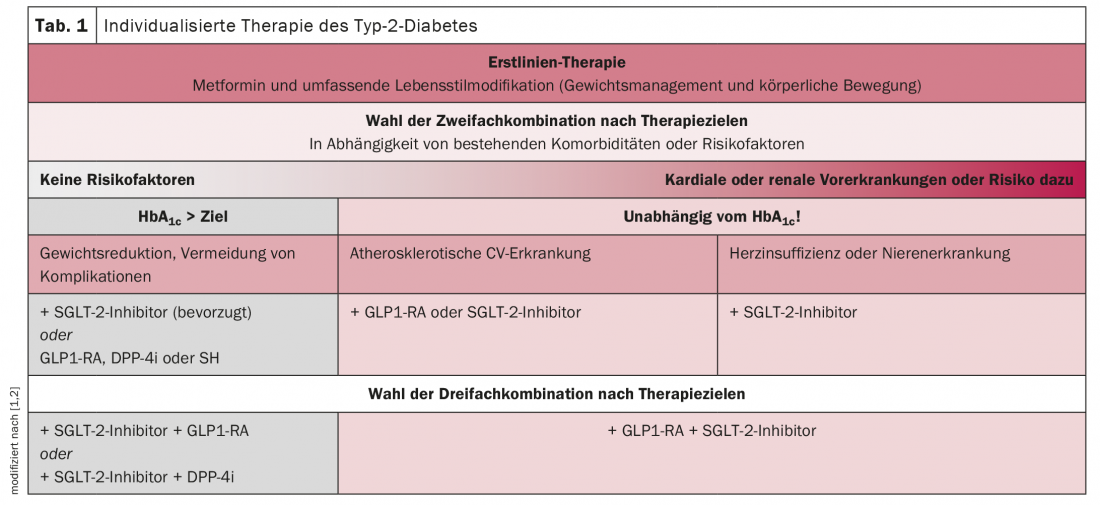
Type 2 diabetes is based on chronic hyperglycemia, beta cell dysfunction and insulin resistance. Glucose load in particular plays a major role here, because the insulin response decreases as fasting glucose rises. It is also considered a risk factor for microvascular and macrovascular sequelae, which must be avoided, reported Prof. Mathias Blüher, MD, Leipzig (D). The goal of effective treatment management is therefore to permanently lower blood glucose. Most antidiabetic drugs affect insulin secretion or insulin action. Metformin and thiazolidinediones increase insulin sensitivity; glinides, sulfonylureas, DPP-4 inhibitors, and GLP1 receptor agonists increase insulin release. In contrast, independently of insulin, SGLT2 inhibitors lowered glucose load by directly excreting glucose. In addition, studies show a beneficial effect on cardiovascular risk factors early on. These include hypertension, obesity, and albuminuria, in addition to age, gender, diabetes duration, and lifestyle. Studies show that the administration of SGLT2 inhibitors can effectively lower both blood pressure and body weight in addition to HbA1c levels.


Increased mortality risk

Professor Dr. med. Jochen Seufert, Freiburg (D), also confirms that the newer antidiabetic drugs can do more than “just” lower blood sugar. This is essential because type 2 diabetes, heart failure, and renal insufficiency additively increase mortality risk. The probability of all-cause and cardiovascular mortality increases by 60-80% in diabetic patients with heart failure. In addition, it has been shown that declining renal function may be a stronger predictor of mortality than prior myocardial infarction. The basis of multimodal type 2 diabetes therapy is lifestyle modification measures such as weight loss, exercise, and smoking cessation. If these are not sufficient, drug therapies are used. Metformin remains the drug of first choice for this purpose. However, national and international guidelines now recommend early combination with an SGLT2 inhibitor or GLP1 receptor agonist if there is a high cardiovascular risk. Through insulin secretion, glucagon suppression, and appetite suppression, GLP1 receptor agonists reduce inflammation, coagulation, and postprandial lipid levels while improving LV function. Thus, they reduce the risk of cardiovascular events, albuminuria, blood pressure, weight and, last but not least, the HbA1c level. SGLT2 inhibitors mediate beneficial cardio-renal-metabolic effects through a host of other mechanisms, including classic atherosclerotic pathways, the expert said. Outcomes include reductions in MACE, cardiovascular death, HHF, severe kidney disease, and albuminuria.

Congress: Diabetes Congress (DDG)


Literature:

  1. Jaeckel E, Schneider C, Simon J, Haller H: Pre-existing conditions determine modern diabetes therapy: reducing cardiac and renal complications. Diabetes Metabolism and Heart 2019; 28: 339-348.
  2. National health care guideline type 2 diabetes 2021; available at: www.leitlinien.de/themen/diabetes


CARDIOVASC 2021
Autoren
  • Leoni Burggraf
Publikation
  • CARDIOVASC
Related Topics
  • Blood pressure reduction
  • Cardioprotection
  • Type 2 diabetes
Previous Article
  • Direct oral anticoagulants

DOAKs in renal insufficiency – GFR tipping the scales

  • Cardiology
  • Congress Reports
  • General Internal Medicine
  • Nephrology
  • RX
View Post
Next Article
  • Parkinson's disease

Updates in the management of Parkinson’s syndrome

  • Congress Reports
  • Neurology
  • RX
View Post
You May Also Like
View Post
  • 7 min
  • Plastic surgery and reconstructive microsurgery for DFS

Functional limb preservation between infection control, vascular medicine and resurfacing

    • Angiology
    • CME continuing education
    • Endocrinology and Diabetology
    • General Internal Medicine
    • Geriatrics
    • Physical medicine and rehabilitation
    • RX
    • Surgery
View Post
  • 14 min
  • Adrenogenital syndrome

Clinical care from birth to adulthood

    • CME continuing education
    • Endocrinology and Diabetology
    • Nephrology
    • Pediatrics
    • RX
    • Studies
View Post
  • 14 min
  • New approvals, current study data and ADC development

Antibody-drug conjugates in gynecologic oncology

    • Education
    • Gynecology
    • Oncology
    • RX
    • Studies
View Post
  • 5 min
  • From symptom to diagnosis

Pneumology – Covid-19: a review

    • Cases
    • Education
    • Infectiology
    • Pneumology
    • Prevention and health care
    • Radiology
    • RX
View Post
  • 6 min
  • Abdominal aortic aneurysms in primary care

Risk-stratified screening and prophylaxis

    • Angiology
    • Congress Reports
    • Prevention and health care
    • Radiology
    • RX
    • Studies
    • Surgery
View Post
  • 9 min
  • Cardiology

Minimally invasive – the quiet triumph of modern heart surgery

    • Cardiology
    • CME continuing education
    • RX
    • Studies
    • Surgery
View Post
  • 6 min
  • Age-related neurocognitive disorders

Neuroprotective effects of Ginkgo biloba extract

    • Education
    • Geriatrics
    • Neurology
    • Pharmaceutical medicine
    • Phytotherapy
    • RX
    • Studies
View Post
  • 6 min
    • Education
    • Endocrinology and Diabetology
    • Pneumology
    • Psychiatry and psychotherapy
    • RX
    • Studies

How origin and place of residence promote CF-associated diabetes

  • IBD matters

    Zum Thema
Top CME content
  • 1
    Functional limb preservation between infection control, vascular medicine and resurfacing
  • 2
    Minimally invasive – the quiet triumph of modern heart surgery
  • 3
    HPV prevention, screening innovation and sentinel lymph node biopsy
  • 4
    Clinical care from birth to adulthood
  • 5
    Multidisciplinary teams in oncology

Newsletter

Sign up and stay up to date

Subscribe
Medizinonline Medizinonline
  • Contact
  • General terms and conditions
  • Imprint

Input your search keywords and press Enter.