Depression is a common disease, its prevalence is 16-26%. According to WHO projections, by 2020 depression will be second only to cardiovascular disease among conditions that will cause the greatest impairment and cost the most. Depression as a chronic stress-related disease is a risk factor for the occurrence of other serious diseases such as heart attack, stroke, osteoporosis and diabetes. According to some studies, about 20% of patients in general practices suffer from depression. The studies show that only 35% of patients with major depression are treated, and only 12% of sufferers are treated with antidepressants. The probability of relapse after a first episode of depression is 80%.
Core symptoms of depression are dejection, loss of interest, joylessness, feelings of numbness, listlessness, slowing down or agitation, thoughts of death, and numerous physical complaints such as sleep disturbances in particular. Symptoms must last for at least two weeks to be considered a depressive episode. Suicidality should be directly addressed in depressed patients, asked in detail, and assessed in light of available resources.
The WHO-5-question test (Tab. 1) and the Beck Depression Score (BDI) can be used as screening and diagnostic procedures in self-rating [1]. On the WHO 5-question test, a score below 13 can be considered to indicate relevant depression.

Which treatment is evidence-based?
The first-choice treatment for depression is psychotherapy administered by an experienced psychotherapist (Fig. 1) . In acute severe depression, a combination treatment of drug therapy and psychotherapy should be offered (evidence level A). When sole treatment is considered, psychotherapy alone should be offered on an equal basis with drug therapy alone for outpatients (Level of Evidence A). In order to stabilize the success of treatment and to reduce the risk of relapse, appropriate psychotherapeutic follow-up treatment should be offered after acute treatment (evidence level A).

Longer-term stabilizing psychotherapy should be offered to patients at increased risk for recurrence (level of evidence A). For treatment-resistant depression, patients should be offered appropriate psychotherapy (level of evidence B).
When should an inpatient admission be made?
Inpatient admission should be considered for patients who are suicidal, need medical care after a suicide attempt, require intensive psychiatric and psychotherapeutic treatment because of depression; or when an assessment of the existence of suicidality is not possible and the establishment of a viable therapeutic relationship is not successful.
What forms of psychotherapy are there?
Overall, it is currently the case that psychotherapy achieves more lasting effects compared to purely drug-based procedures. Meta-analyses show a relapse rate of 30% for psychotherapy and 60% for medication. A recently published meta-analysis compared psychotherapy procedures with each other and obtained no evidence that one procedure works better than the other (exception: interpersonal therapy [IPT]) [2].
Psychodynamic psychotherapy
The treatment principles of psychoanalytic psychotherapy procedures are based on the presence of a psychological unconscious, a developmental psychological perspective, the importance of intrapsychic and interpersonal conflicts, dysfunctional relational patterns, the importance of counter/transference, and working with psychological defense processes and resistance. The importance lies in a specific attitude, in which neutrality, abstinence, equal attention, empathic appreciation as well as the possible assumption of a holding and containing function play a role. Short-term psychodynamic therapies have been shown to be effective for depressive disorders in some studies; long-term randomized trials are not available.
Cognitive behavioral therapy
The cognitive model of depression is based on the assumption that sufferers have a negative self-image, tend to underestimate and criticize themselves, interpret experiences negatively, and value and remember disappointments and defeats more strongly. Cognition-oriented practices work to replace negative cognitions and move toward more active, competent behaviors. Cognitive behavioral therapy is the best-studied method currently available; several meta-analyses of cognitive behavioral therapy for depression show highest possible evidence.
The Cognitive Behavioral Analysis System for Psychotherapy (CBASP).
CBASP is a new treatment method developed by Prof. James P. McCullough Jr. developed by Virginia University, USA. It is the only therapeutic approach in the world today designed for chronically depressed patients. CBASP is not a variant of a cognitive-behavioral therapy method; the approach sees itself as an integrative model and implements various psychological theoretical approaches. The goals are defined as the recognition of the consequences of one’s own behavior, the acquisition of authentic empathy, the learning of social problem-solving skills, coping strategies and a healing process with regard to earlier traumas. In a short time, CBASP was included in all guidelines as an evidence-based treatment for chronic depression.
Interpersonal Psychotherapy (IPT)
IPT is one of the most well-studied and effective procedures in antidepressant therapy and was shown to be the most effective procedure in some studies. For acute treatment, 12-20 individual sessions are scheduled, and monthly maintenance therapy proves helpful. Therapeutic work is based on current life contexts related to depression. The therapy process takes place in the here and now. Work is done on reducing depressive symptoms and at the same time on emotional processing of interpersonal problems and building necessary social skills.
What medications are given?
Antidepressant drug treatment follows the principle of “start low and go slow.” It should be started with the smallest possible doses and the dose should be increased slowly. The most common mistake is not increasing the dose and switching to another substance before six to eight weeks have passed.
The effectiveness of the therapy can be assessed with appropriate scales on a bi-weekly basis. A response occurs when there is more than a 50 percent decrease in symptoms, and remission occurs when there is a complete decrease in symptoms. If there is only a 25 percent improvement after four weeks of treatment, there is little likelihood of a response after eight weeks. If improvement is 25-50% (partial response), the likelihood of response in the next eight weeks increases. In case of partial response after four to six weeks of therapy, the following measures can be considered: dose increase, combination of two antidepressants, augmenting lithium, or switching to another antidepressant (Tab. 2 , Fig. 2).


For mild depression, a difference between placebo and antidepressants is not statistically detectable, so few patients benefit from drug treatment. This issue is clearly demonstrated in the Star*D trial, in which 35% of patients had mild depression and unusually low response rates were seen. A recent meta-analysis showed that escitalopram, mirtazapine, and venlafaxine were most significantly effective. Escitalopram had the best tolerability profile in this study and also has the lowest potential for interaction, making it the drug of choice in comorbid patients [3]. The results of a number of studies suggest that SSRIs are generally safer and better tolerated than tricyclics (TCAs) (Table 3) . In comparison, a large meta-analysis showed that venlafaxine achieved higher remission rates than SSRIs [4]. The low overdose safety of TCA compared with SSRIs and other newer antidepressants can lead to life-threatening side effects.


What are the special features of depressed patients with physical illnesses?
Somatic diseases, which can also cause depression in the sense of accompanying symptoms (Fig. 3), should be well controlled. In severe diseases such as HIV, carcinomas and strokes, depressive reactions occur in up to 40% of patients and should be co-treated with antidepressants. These “secondary” depressions should be treated primarily because antidepressant therapy also improves the internal prognosis (level of evidence B).
Medications that can trigger depression should ideally be avoided and reduced when depressive symptoms occur (Fig. 3).
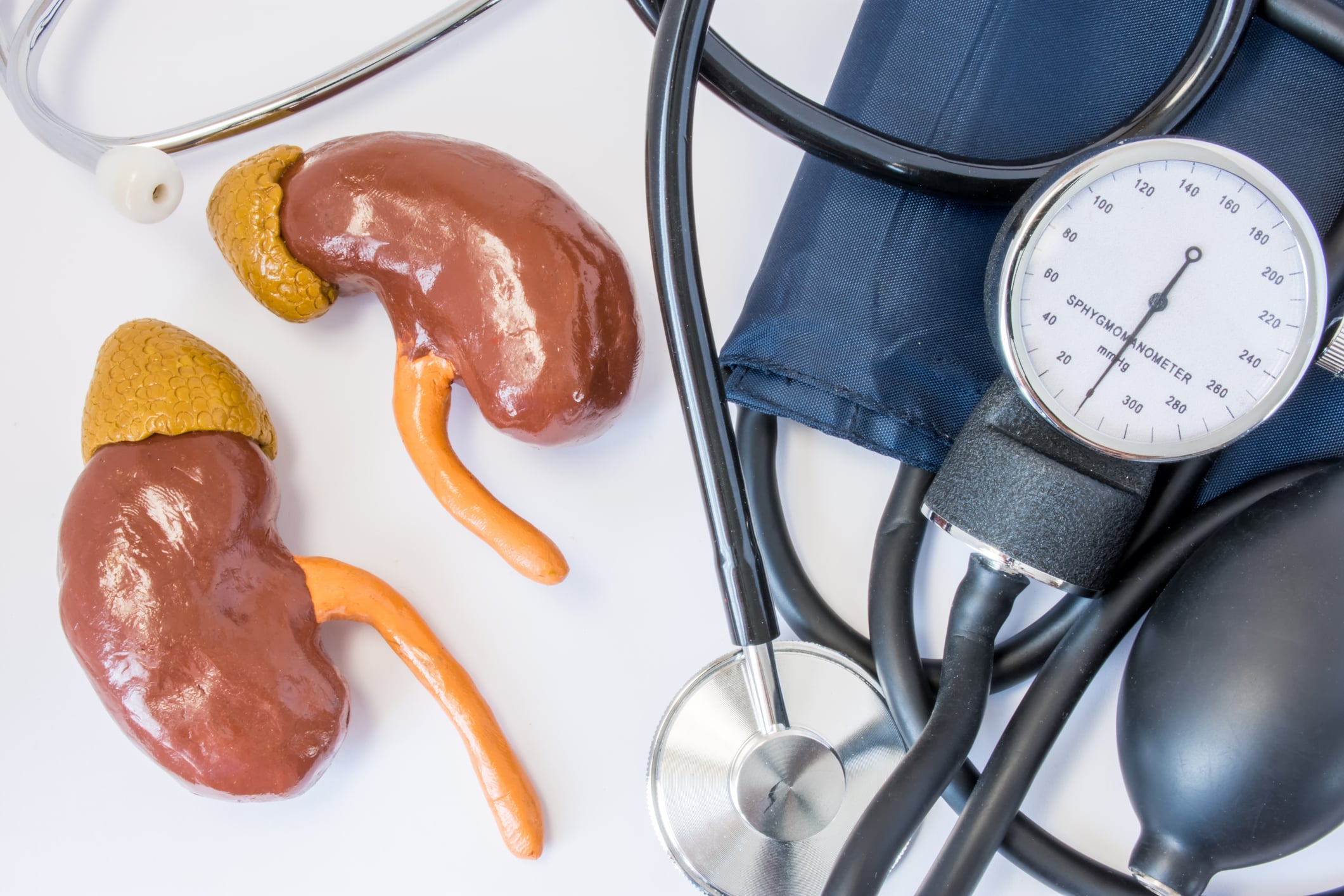
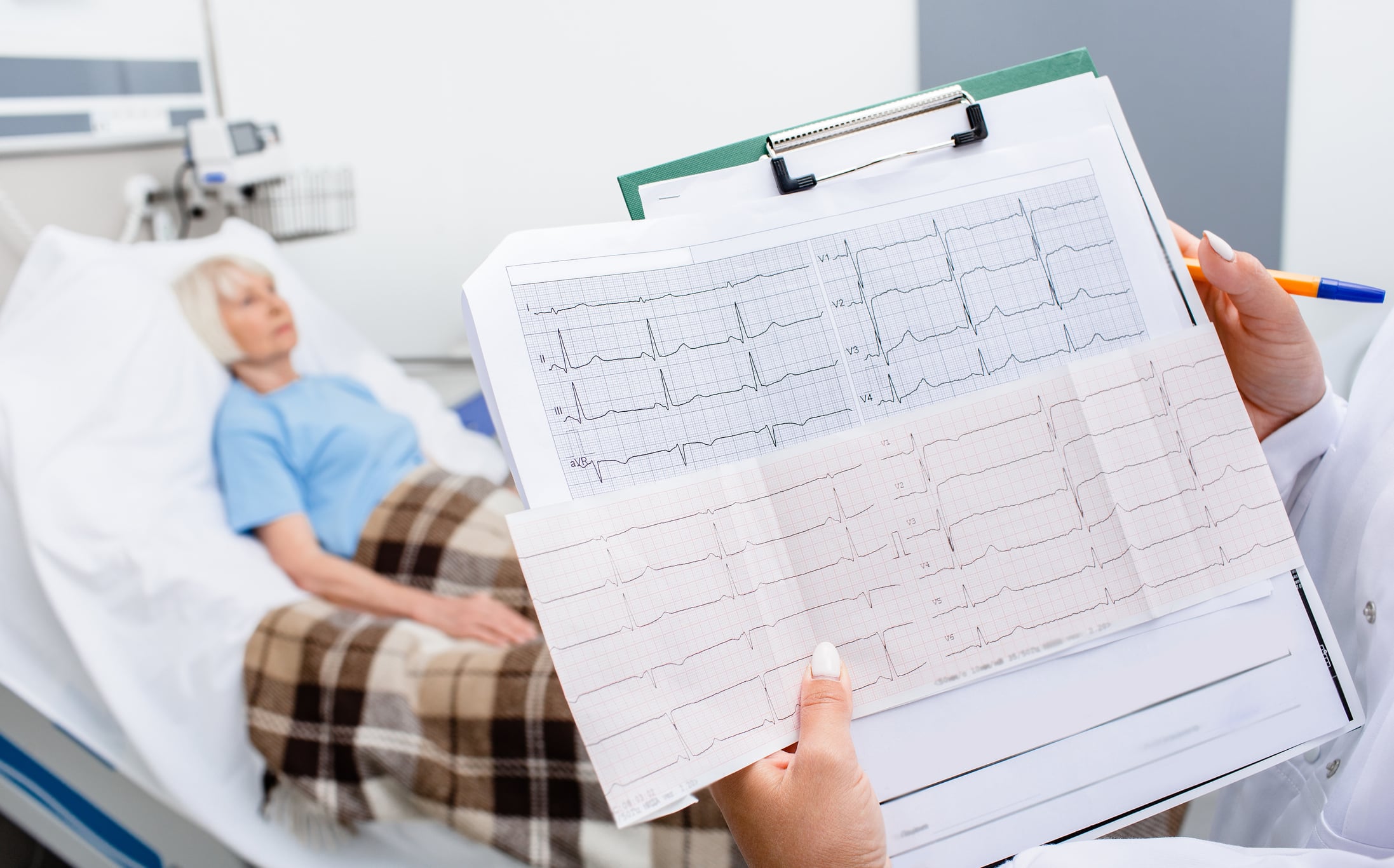
For cardiovascular disease, low-risk mirtazapine and SSRIs can be used, and escitalopram is considered the drug of choice. Maprotiline, tranylcypromine, trazodone, TCA, and lithium should be avoided. SSRIs, venlafaxine, and lithium may be used if liver disease is present; tranylcypromine, bupropion, TCA, agomelatine, and valproic acid should be avoided. Low-risk SSRIs, especially escitalopram, citalopram, and duloxetine, can be used in renal disease, as well as short-acting benzodiazepines. Lithium in particular should be avoided.
Conclusion for practice
- Depression is often a symptom of an underlying physical illness and should be treated as well.
- Suicidality should always be inquired about and, if unsure, inpatient admission should be considered.
- Psychotherapy is given a more important role in current guidelines and should be prioritized for milder depression.
- Polypharmacy, too early discontinuation or switching or combining of preparations has a negative effect on the course of treatment.
Literature:
- Hautzinger M, et al: BDI-II. Beck Depression Inventory. Revision. 2nd ed. Frankfurt; Pearson Assessment: 2009.
- Jakobsen JC: Effects of cognitive therapy versus interpersonal psychotherapy in patients with major depressive disorder: a systematic review of randomized clinical trials with meta-analyses and trial sequential analyses.Psychol Med 2012;42:1343-1257.
- Cipriani A, et al: Escitalopram versus other antidepressive agents for depression. Cochrane Database Syst Rev 2009
- Nemeroff CB, et al: Comprehensive analysis of remission (COMPARE) with venlafaxine versus SSRIs. Biol Psychiatry 2008;63:424-434.
- Schramm E, et al: [A specific therapy for chronic depression. McCullough’s Cognitive Behavioral Analysis System of Psychotherapy]. Neurologist 2006;77:355-370.