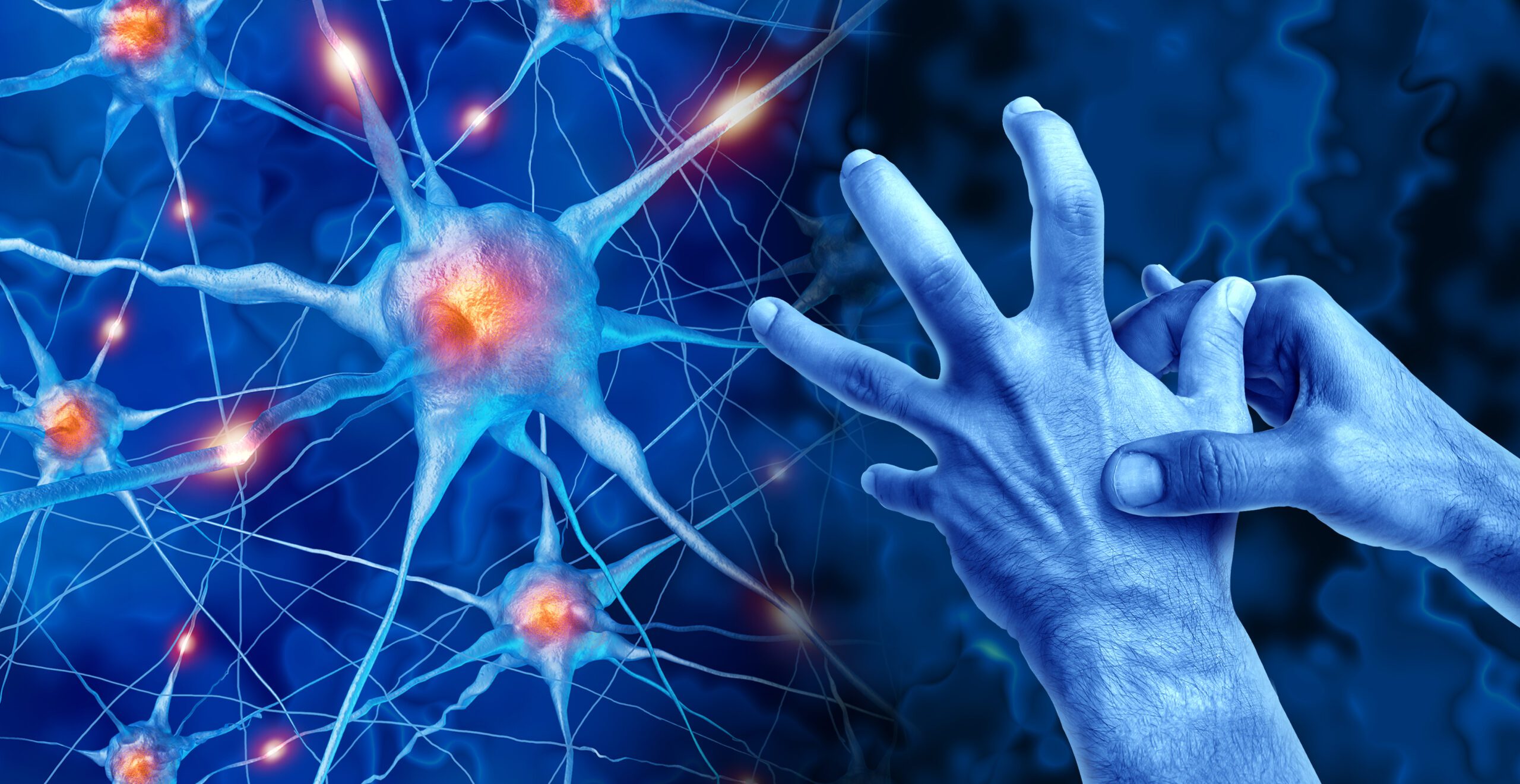
Parkinson’s disease (PD) is a neurodegenerative disease characterized by a progressive loss of dopaminergic neurons in the substantia nigra pars compacta. Oxidative stress is increasingly being discussed as a key process in the development and progression of the disease. This is triggered and maintained by multiple factors, including mitochondrial dysfunction, defective dopamine metabolism and chronic neuroinflammation. The resulting imbalance between reactive oxygen species (ROS) and antioxidant defense systems leads to pronounced cellular damage, which ultimately drives the degeneration of dopaminergic cells. Despite intensive research, no curative therapy exists to date.
You May Also Like
- Prurigo nodularis: evidence-based treatment
Targeted therapy options on the rise
- MACE risk, heart failure incidence and all-cause mortality
Metabolic syndrome as a cardiovascular risk factor
- Glaucoma in old age: slowing down progression
IOP lowering is currently the only evidence-based treatment
- Vector-borne infections with skin manifestations
Arboviruses and leishmaniasis in Europe
- Multimorbidity and functional capacity in old age
Clarify individual health status and reduce risks
- Tick season: danger from early summer meningoencephalitis
TBE vaccination recommended for adults and children aged 3 and over
- New WHO guideline, updated stimulation protocols, focus on PGT-A
Fertility and reproductive medicine 2026
- Proteins in wound healing