Medizinonline Medizinonline
  • News
    • News
    • Market & Medicine
  • Patients
    • Disease patterns
    • Diagnostics
    • Therapy
  • Partner Content
    • Diabetes
      • Dia-Month Club – Type 2 Diabetes
      • Diabetes in Motion
      • Diabetes Podcasts
    • Gastroenterology
      • IBD matters
    • Oncology
      • Swiss Oncology in motion
    • Orthopedics
      • Osteoporosis in motion
  • Departments
    • Allergology and clinical immunology
    • General Internal Medicine
    • Anesthesiology
    • Angiology
    • Surgery
    • Dermatology and venereology
    • Endocrinology and Diabetology
    • Nutrition
    • Gastroenterology and Hepatology
    • Genetics
    • Geriatrics
    • Gynecology
    • Hematology
    • Infectiology
    • Cardiology
    • Nephrology
    • Neurology
    • Emergency and intensive care medicine
    • Nuclear Medicine
    • Oncology
    • Ophthalmology
    • ORL
    • Orthopedics
    • Pediatrics
    • Pharmacology and toxicology
    • Pharmaceutical medicine
    • Phlebology
    • Physical medicine and rehabilitation
    • Pneumology
    • Prevention and health care
    • Psychiatry and psychotherapy
    • Radiology
    • Forensic Medicine
    • Rheumatology
    • Sports Medicine
    • Traumatology and trauma surgery
    • Tropical and travel medicine
    • Urology
    • Dentistry
  • CME & Congresses
    • CME continuing education
    • Congress Reports
    • Congress calendar
  • Practice
    • Noctimed
    • Practice Management
    • Jobs
    • Interviews
  • Log In
  • Register
  • My account
  • Contact
  • Publications
  • Contact
  • Deutsch
  • English
  • Français
  • Italiano
  • Português
  • Español
Subscribe
Medizinonline Medizinonline
  • News
    • News
    • Market & Medicine
  • Patienten
    • Krankheitsbilder
    • Diagnostik
    • Therapie
  • Partner Content
    • Diabetes
      • Dia-Month Club – Type 2 Diabetes
      • Diabetes in Motion
      • Diabetes Podcasts
    • Gastroenterology
      • IBD matters
    • Oncology
      • Swiss Oncology in motion
    • Orthopedics
      • Osteoporosis in motion
    • Phytotherapie
    • Rheumatology
  • Departments
    • Fachbereiche 1-13
      • Allergology and clinical immunology
      • General Internal Medicine
      • Anesthesiology
      • Angiology
      • Surgery
      • Dermatology and venereology
      • Endocrinology and Diabetology
      • Nutrition
      • Gastroenterology and Hepatology
      • Genetics
      • Geriatrics
      • Gynecology
      • Hematology
    • Fachbereiche 14-26
      • Infectiology
      • Cardiology
      • Nephrology
      • Neurology
      • Emergency and intensive care medicine
      • Nuclear Medicine
      • Oncology
      • Ophthalmology
      • ORL
      • Orthopedics
      • Pediatrics
      • Pharmacology and toxicology
      • Pharmaceutical medicine
    • Fachbereiche 26-38
      • Phlebology
      • Physical medicine and rehabilitation
      • Phytotherapy
      • Pneumology
      • Prevention and health care
      • Psychiatry and psychotherapy
      • Radiology
      • Forensic Medicine
      • Rheumatology
      • Sports Medicine
      • Traumatology and trauma surgery
      • Tropical and travel medicine
      • Urology
      • Dentistry
  • CME & Congresses
    • CME continuing education
    • Congress Reports
    • Congress calendar
  • Practice
    • Noctimed
    • Practice Management
    • Jobs
    • Interviews
Login

Sie haben noch keinen Account? Registrieren

  • Psychocardiology

Projection site heart: When psychological conflicts influence the body

    • Cardiology
    • Education
    • General Internal Medicine
    • Psychiatry and psychotherapy
    • RX
  • 3 minute read

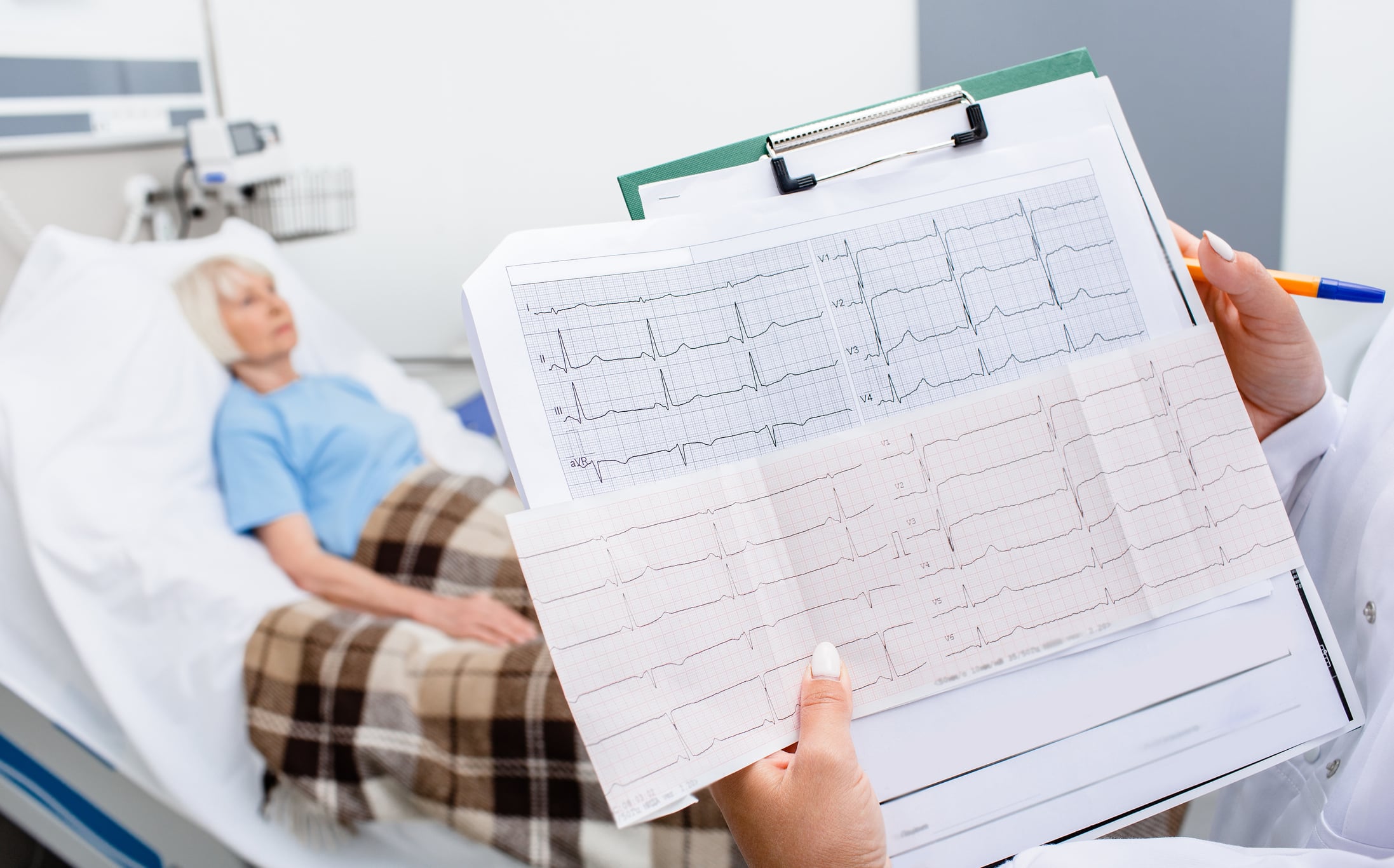
As early as ancient Egypt, there was a disease of the heart, the cause of which was called the fear of the mind. The interplay between the psyche and the heart has therefore been known for a long time – but for a long time it was not given much importance. Meanwhile, things are different because patients with heart disease often suffer from psychological comorbidities. And these, in turn, influence the course of cardiac problems.

Psychocardiology is a comparatively young discipline that deals with the interaction of cardiac diseases and psychological changes. This is because depression, anxiety, and post-traumatic stress disorder (PTSD) in particular can increase hospitalization, morbidity, and mortality rates in patients with heart disease. Psychosocial stress and chronic stress can also increase the risks. Mental health is closely related to the functionality of the heart. They can occur at different times in the course of the disease and contribute to the development of the disease as an independent risk factor, negatively influence the course as a comorbid disease, or be triggered by the cardiac disease.

For coronary heart disease (CHD), for example, it has been found to be more likely to occur in individuals with low socioeconomic status and chronic workplace stress. Depressive symptoms such as feelings of low spirits, hopelessness and listlessness occur in 20-50% of CHD patients. In 15-20%, these are pronounced clinical symptoms of depression. This mainly affects women under the age of 60 after a heart attack. Vice versa, depressive symptoms increase the risk of CHD and have a negative influence on the course of the disease. This is explained on the one hand by pathophysiological changes such as dysfunctions of the endocrine system and a chronically increased activity of the sympathetic nervous system, which can lead to a progression of atherosclerosis. On the other hand, depression is closely associated with inflammatory processes that result in increased levels of interleukin-6 and C-reactive protein and increased platelet activity.

Heart out of time

A similar situation can occur with cardiac arrhythmias. Here, too, there is a bidirectional relationship between psychological and physical symptoms. Mental disorders such as anxiety and panic disorder can trigger cardiac arrhythmias as well as be caused by them. Common arrhythmias associated with mental disorders include extrasystoles, supraventricular tachycardia (SVT), atrial fibrillation, and ventricular arrhythmias. In panic disorders, a real vicious circle of anxiety can develop. During an attack, physical changes are perceived, which in turn lead to intense anxiety (Fig. 1) .


Differential diagnoses in heart failure

The proportion of heart failure patients with comorbid depression is extremely high at 21.5%. Moreover, it increases with increasing severity. In addition to significantly impairing quality of life, depressive symptoms lead to increased hospitalization rates and double the risk for subsequent clinical events and mortality. However, affect is often overlooked as patients withdraw and show their emotions less obviously. Another indication may be cognitive impairment, the risk of which is generally increased in patients with heart failure and seems to be further exacerbated by depression. Symptoms manifest as memory deficits, executive dysfunction, and slowed processing speed. Therefore, if a patient experiences problems with comprehension or adherence, cognitive dysfunction should be investigated as a differential diagnosis.


Further reading:

  • Hermann-Lingen C: German Heart Foundation 2020. Available at: www.herzstiftung.de/sites/default/files/media/SD39-Seele-kraenkt-Herz-2020/SD39-Seele-kraenkt-Herz-2020.pdf (last access on: 22.06.2021)
  • Lozano R, Naghavi M, Foreman K, et al: Lancet 2013; 380: 2095-2128.
  • Ladwig K-H, Lederbogen F, Albus C, et al: The Cardiologist 2013; 7: 7-27.
  • Roest AM, Martens EJ, de Jonge P, et al: J Am Coll Cardiol 2010; 56: 38-46.
  • Mallik S, Spertus JA, Reid KJ, et al: Arch Intern Med 2006; 166: 876-883.
  • Bunz M, Kindermann I, Karbach J, et al: Dtsch Med Wochenschr 2015; 140: 117-124.


CARDIOVASC 2021; 20(2): 26

Autoren
  • Leoni Burggraf
Publikation
  • CARDIOVASC
Related Topics
  • Comorbidity
  • Psyche
  • psychocardiology
Previous Article
  • Hodgkin's disease

Excess mortality after surviving disease: a search for causes

  • Education
  • Hematology
  • Oncology
  • RX
View Post
Next Article
  • Palliative care in geriatrics

Talk to patients and relatives!

  • Congress Reports
  • General Internal Medicine
  • Geriatrics
  • Prevention and health care
  • RX
View Post
You May Also Like
View Post
  • 6 min
  • Preclinical study on phytotherapeutic agent

Active ingredient combination of peppermint and caraway oil modified fecal microbiota

    • RX
    • Education
    • Gastroenterology and Hepatology
    • General Internal Medicine
    • Pharmaceutical medicine
    • Phytotherapy
    • Studies
View Post
  • 4 min
  • Casuistry

Rituximab used effectively against IgG4-RD colitis

    • RX
    • Cases
    • Education
    • Gastroenterology and Hepatology
    • General Internal Medicine
    • Radiology
    • Rheumatology
View Post
  • 5 min
  • Sarcoidosis

New options from JAKi to mTOR

    • RX
    • Congress Reports
    • General Internal Medicine
    • Pneumology
    • Studies
View Post
  • 6 min
  • Head and neck squamous cell carcinoma

Precision immunotherapy and local treatment

    • RX
    • Congress Reports
    • Dermatology and venereology
    • Oncology
    • ORL
    • Studies
View Post
  • 3 min
  • From symptom to diagnosis

Abdominal pain – Prostate cysts

    • RX
    • Cases
    • Education
    • General Internal Medicine
    • Radiology
    • Surgery
    • Urology
View Post
  • 0 min
  • Multimodal Parkinson's Treatment

Positive Effects of a Music-Based Intervention

    • RX
    • Education
    • Geriatrics
    • Neurology
    • Physical medicine and rehabilitation
    • Psychiatry and psychotherapy
View Post
  • 8 min
  • Psychooncology

Communication as the key to therapy adherence

    • RX
    • CME continuing education
    • General Internal Medicine
    • Practice Management
View Post
  • 9 min
  • Cardiology

Minimally invasive – the quiet triumph of modern heart surgery

    • RX
    • Cardiology
    • CME continuing education
    • Studies
    • Surgery
  • IBD matters

    Zum Thema
Top CME content
  • 1
    Current State of Knowledge and New Therapeutic Approaches
  • 2
    Why is it so hard to lose weight?
  • 3
    Functional limb preservation between infection control, vascular medicine and resurfacing
  • 4
    Algorithms, avatars and the unburdened mind
  • 5
    Communication as the key to therapy adherence

Newsletter

Sign up and stay up to date

Subscribe
Medizinonline Medizinonline
  • Contact
  • General terms and conditions
  • Imprint

Input your search keywords and press Enter.