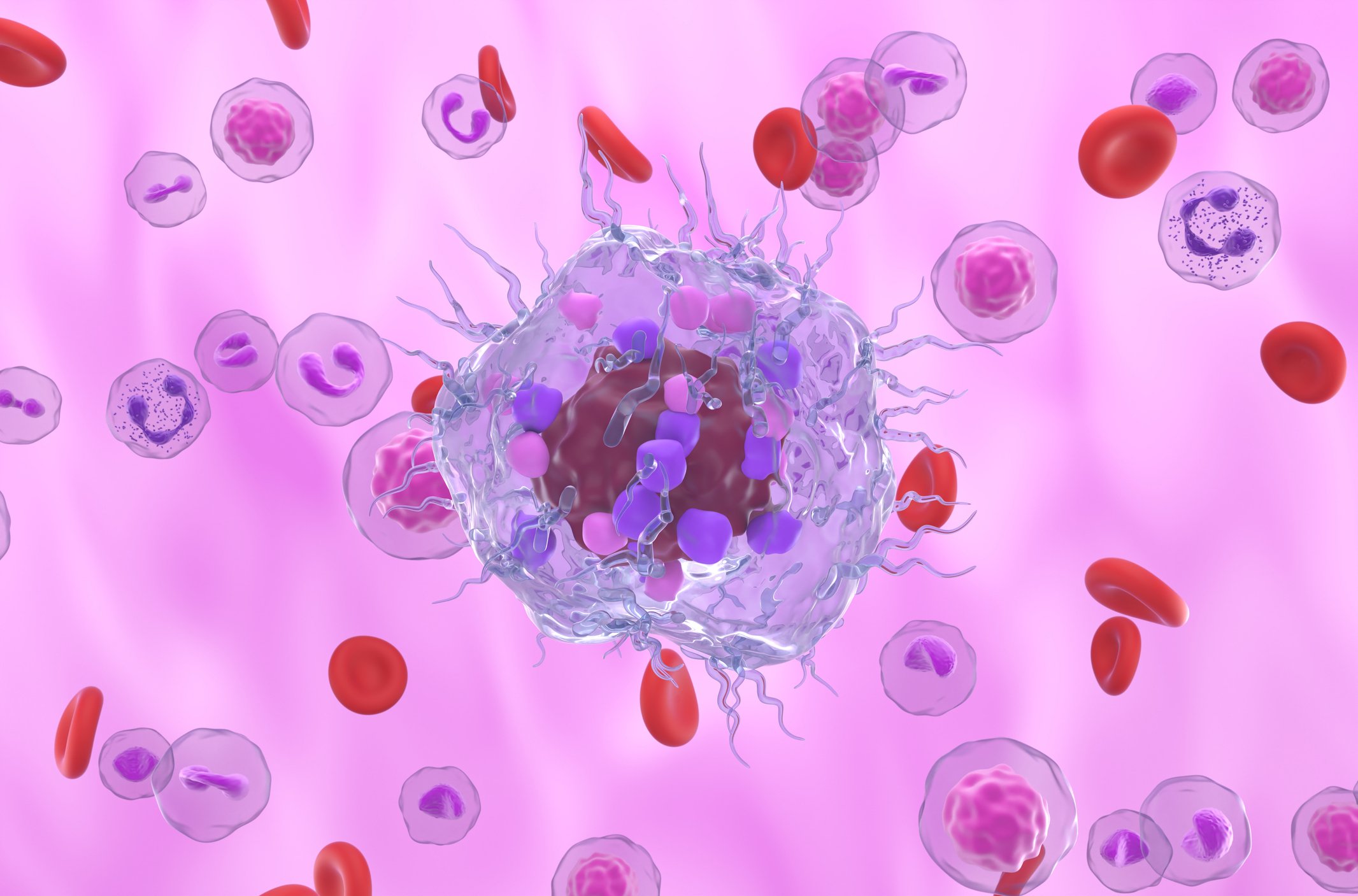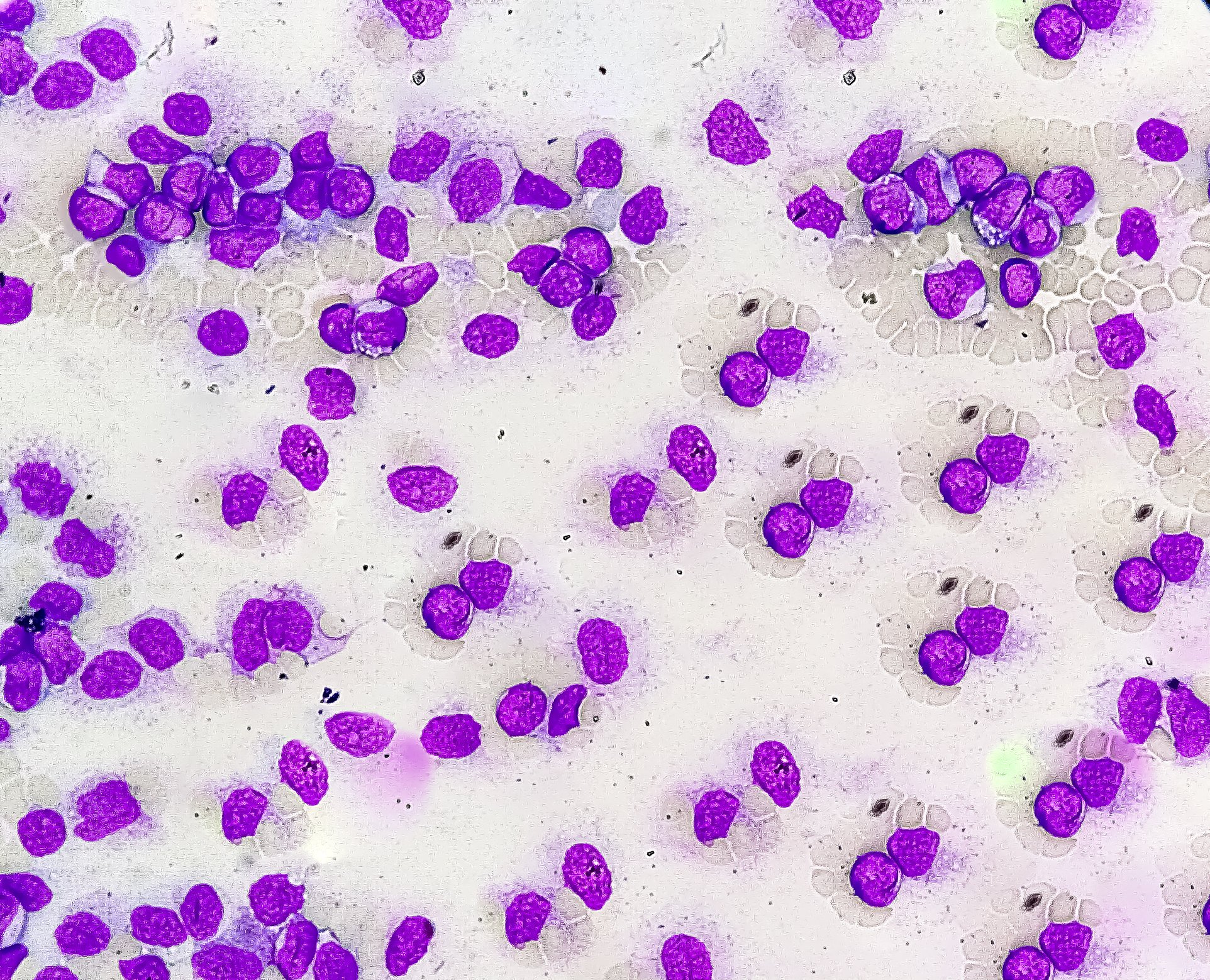
As part of the SOHC 2025 (Swiss Oncology & Hematology Congress), Christoph Röllig from Dresden University Hospital gave a presentation on current developments in the diagnosis and treatment of minimal residual disease (MRD) in acute myeloid leukemia (AML); in particular, he emphasized its prognostic significance and showed how MRD findings – depending on the genetic risk – can influence decisions on allogeneic stem cell transplantation. In addition, he emphasized the potential of pre-emptive MRD-based strategies for early relapse prevention, but made it clear that their future significance and the benefits of MRD-guided transplantation decisions will largely depend on ongoing studies such as INTERCEPT.
Publikation
- InFo ONKOLOGIE & HÄMATOLOGIE