Medizinonline Medizinonline
  • News
    • News
    • Market & Medicine
  • Patients
    • Disease patterns
    • Diagnostics
    • Therapy
  • Partner Content
    • Dermatology
      • Atopic dermatitis and psoriasis news
    • Diabetes
      • Dia-Month Club – Type 2 Diabetes
      • Diabetes in Motion
      • Diabetes Podcasts
    • Gastroenterology
      • IBD matters
    • Oncology
      • Swiss Oncology in motion
    • Orthopedics
      • Osteoporosis in motion
  • Departments
    • Allergology and clinical immunology
    • General Internal Medicine
    • Anesthesiology
    • Angiology
    • Surgery
    • Dermatology and venereology
    • Endocrinology and Diabetology
    • Nutrition
    • Gastroenterology and Hepatology
    • Genetics
    • Geriatrics
    • Gynecology
    • Hematology
    • Infectiology
    • Cardiology
    • Nephrology
    • Neurology
    • Emergency and intensive care medicine
    • Nuclear Medicine
    • Oncology
    • Ophthalmology
    • ORL
    • Orthopedics
    • Pediatrics
    • Pharmacology and toxicology
    • Pharmaceutical medicine
    • Phlebology
    • Physical medicine and rehabilitation
    • Pneumology
    • Prevention and health care
    • Psychiatry and psychotherapy
    • Radiology
    • Forensic Medicine
    • Rheumatology
    • Sports Medicine
    • Traumatology and trauma surgery
    • Tropical and travel medicine
    • Urology
    • Dentistry
  • CME & Congresses
    • CME continuing education
    • Congress Reports
    • Congress calendar
  • Practice
    • Noctimed
    • Practice Management
    • Jobs
    • Interviews
  • Log In
  • Register
  • My account
  • Contact
  • Publications
  • Contact
  • Deutsch
  • English
  • Français
  • Italiano
  • Português
  • Español
Subscribe
Medizinonline Medizinonline
  • News
    • News
    • Market & Medicine
  • Patienten
    • Krankheitsbilder
    • Diagnostik
    • Therapie
  • Partner Content
    • Dermatology
      • Atopic dermatitis and psoriasis news
    • Diabetes
      • Dia-Month Club – Type 2 Diabetes
      • Diabetes in Motion
      • Diabetes Podcasts
    • Gastroenterology
      • IBD matters
    • Oncology
      • Swiss Oncology in motion
    • Orthopedics
      • Osteoporosis in motion
    • Phytotherapie
    • Rheumatology
  • Departments
    • Fachbereiche 1-13
      • Allergology and clinical immunology
      • General Internal Medicine
      • Anesthesiology
      • Angiology
      • Surgery
      • Dermatology and venereology
      • Endocrinology and Diabetology
      • Nutrition
      • Gastroenterology and Hepatology
      • Genetics
      • Geriatrics
      • Gynecology
      • Hematology
    • Fachbereiche 14-26
      • Infectiology
      • Cardiology
      • Nephrology
      • Neurology
      • Emergency and intensive care medicine
      • Nuclear Medicine
      • Oncology
      • Ophthalmology
      • ORL
      • Orthopedics
      • Pediatrics
      • Pharmacology and toxicology
      • Pharmaceutical medicine
    • Fachbereiche 26-38
      • Phlebology
      • Physical medicine and rehabilitation
      • Phytotherapy
      • Pneumology
      • Prevention and health care
      • Psychiatry and psychotherapy
      • Radiology
      • Forensic Medicine
      • Rheumatology
      • Sports Medicine
      • Traumatology and trauma surgery
      • Tropical and travel medicine
      • Urology
      • Dentistry
  • CME & Congresses
    • CME continuing education
    • Congress Reports
    • Congress calendar
  • Practice
    • Noctimed
    • Practice Management
    • Jobs
    • Interviews
Login

Sie haben noch keinen Account? Registrieren

  • Lymphoma

Treatment goal: slow progression, improve quality of life

    • Education
    • Endocrinology and Diabetology
    • Hematology
    • Oncology
    • RX
  • 3 minute read

Cancers of the lymphatic system affect around 1750 people in Switzerland every year. Intensive research has led to treatment becoming significantly more effective and tolerable in recent years. Even if a cure cannot always be achieved, the course of the disease can usually be slowed down and the symptoms alleviated.

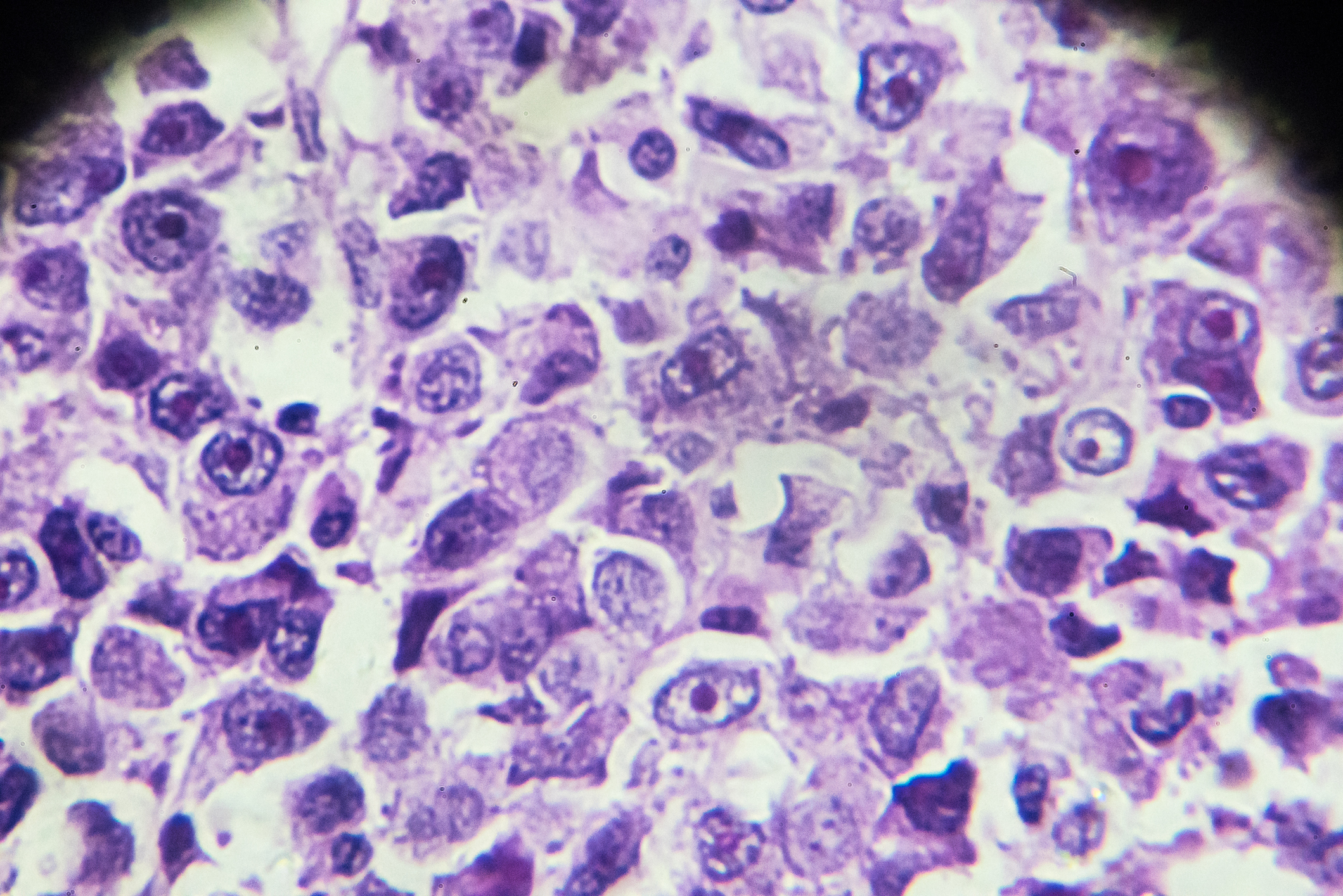
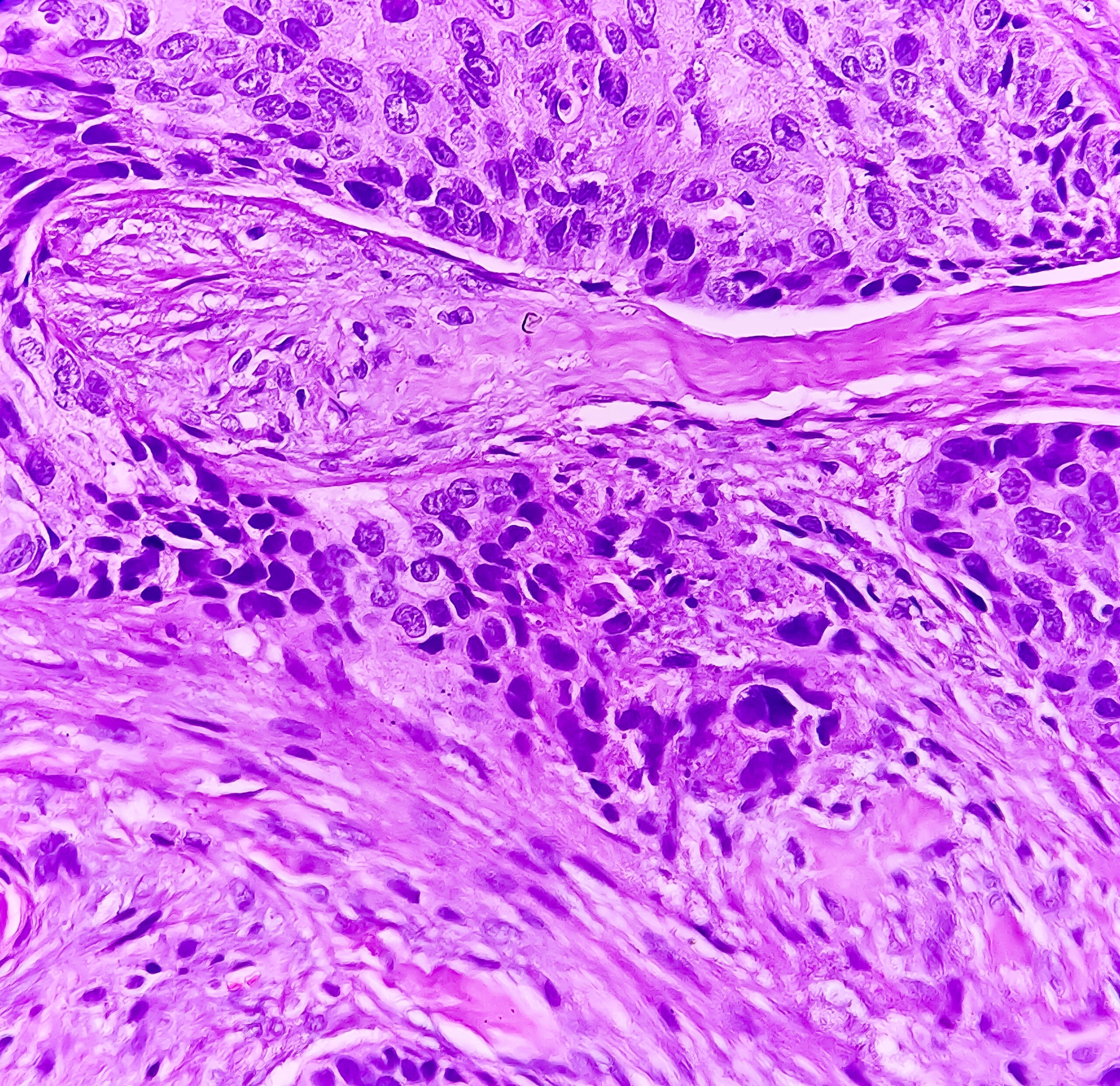
(red) Lymphomas are a group of malignant diseases in which there is an uncontrolled, rapid proliferation of immature or altered T or B lymphocytes. A distinction is made between Hodgkin’s lymphomas, which account for around 15% of all lymphomas, and non-Hodgkin’s lymphomas (NHL). Hodgkin’s lymphomas, which are caused by degenerated B lymphocytes, are usually limited to the lymph nodes and only occasionally affect other organs such as the spleen, liver, bone marrow or lungs. The majority of those affected fall ill before the age of 50. NHL, on the other hand, can occur almost anywhere in the body and patients are significantly older at ≥70 years. Research is in full swing, but the causes are still largely unknown. Only a few factors are known that can increase the risk. These include a defective immune system, long-term viral infections or immunosuppressive therapies.

Prognosis depends on the type of disease

Hodgkin’s lymphoma is divided into classical subtypes and lymphocyte-predominant Hodgkin’s lymphomas. If left untreated, the disease is always fatal. With appropriate therapy, however, the chances of recovery are very good. The subgroup of indolent NHL accounts for the majority of non-Hodgkin’s lymphomas (50%). They usually develop slowly and cause hardly any symptoms, especially in the early stages. The second group (30%) consists of the significantly faster-growing aggressive non-Hodgkin’s lymphomas. Painful lymph nodes, weight loss or night sweats are usually the first signs. The chances of successful treatment are good. However, the risk of recurrence is high, especially with indolent forms. According to the international Ann Arbor classification, lymphoma diseases are divided into four stages (Table 1).

Tab. 1: Staging
Stage I: Infestation of a single lymph node region.
Stage II: Infestation of two or more lymph node regions on the same side of the diaphragm.
Stage III: Infestation of two or more lymph node regions on both sides of the diaphragm.
Stage IV: Infestation of organs outside the lymphatic system.

Therapy management up-to date

The choice of treatment depends not only on the type of lymphoma, but also on the stage, the age of the patient, possible concomitant diseases and the chance of recovery. In principle, chemotherapy, radiotherapy, targeted therapies and immuno-oncological therapies are available. In the case of Hodgkin’s lymphoma, chemotherapy and radiotherapy – alone or in combination – are primarily used. As the disease reacts very sensitively to these treatment regimes, around 90% of all those affected can be helped. Even in the event of a recurrence, good results can still be achieved with consistent therapy.

Combined NHL treatment

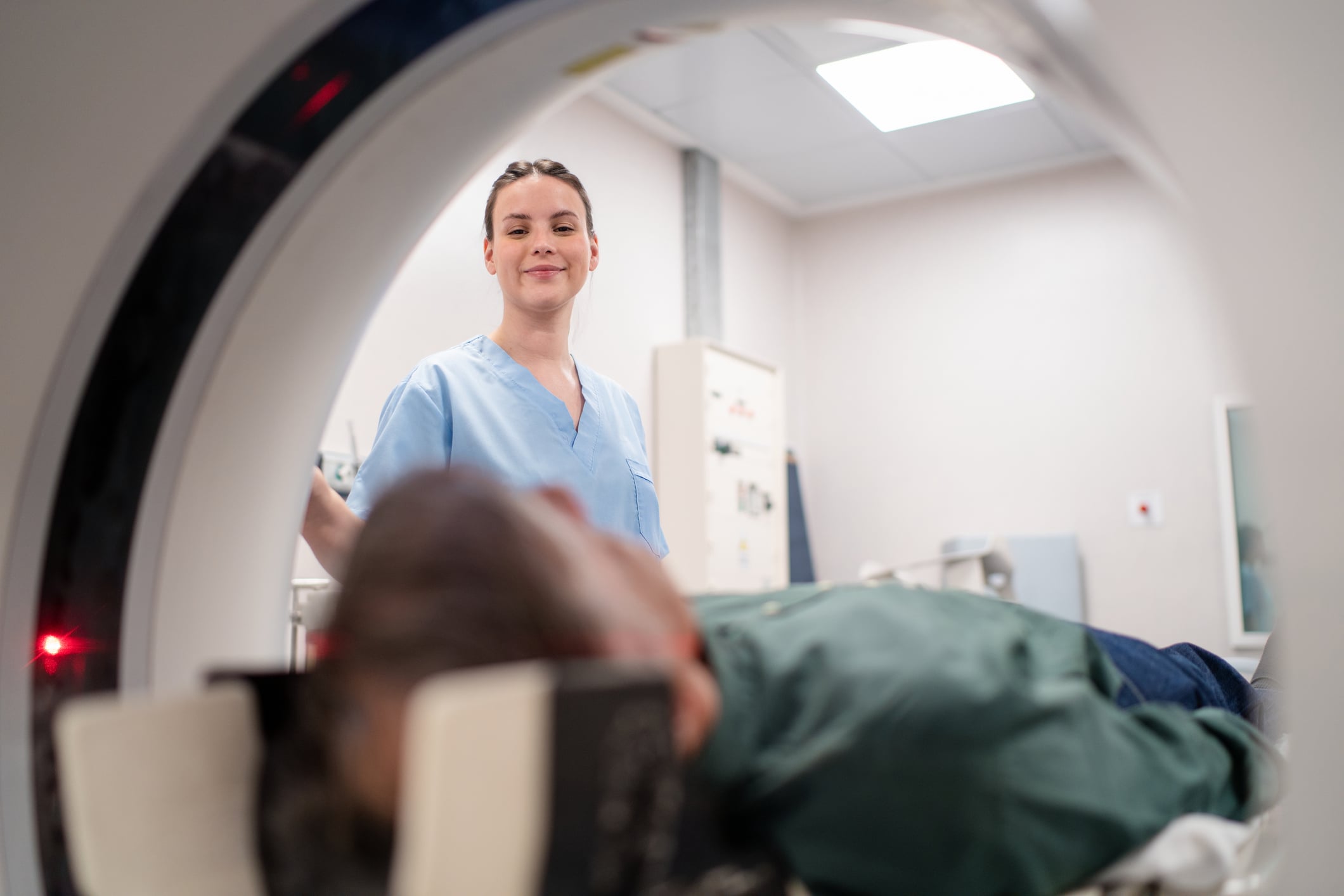
NHL therapy is primarily selected based on the type of disease. In order to achieve an optimal result, the different procedures are often combined. Highly malignant lymphomas usually respond well to chemotherapy and can be effectively treated even in advanced stages. In addition, an antibody is administered for many aggressive non-Hodgkin’s lymphomas, including the most common diffuse large B-cell lymphoma. Antibodies bind specifically to the lymphoma cells, making them recognizable to the body’s own immune cells. If tumor remnants are still present after chemotherapy or if the lymphoma is very large, radiotherapy (adjuvant radiotherapy) is carried out after the cytostatic treatment to reduce the risk of recurrence.

Effectively treating early stages

Radiotherapy is an important treatment method in the early stages of low-malignant non-Hodgkin’s lymphoma. It can lead to a cure in about half of the cases. Slow-growing low-malignant non-Hodgkin’s lymphomas in advanced stages are usually observed first. This is because early treatment does not result in a survival advantage, but massively reduces the quality of life of those affected. Treatment is only initiated when symptoms appear and the disease has progressed significantly. As a cure is usually no longer possible, the aim is to slow down progression and combat symptoms. Treatment consists of chemotherapy to reduce the tumor cell mass, usually in combination with antibody therapy.

Patients with mantle cell lymphoma who relapse have a significantly poorer prognosis. The combination of chemotherapy with a proteasome inhibitor can be effective here if a stem cell transplant cannot be performed. Proteasome inhibitors block the action of cellular protein-degrading complexes. The inhibition of proteasomes leads to a standstill in the cell cycle and ultimately to apoptosis.

Further reading:

  • www.krebsliga.ch/ueber-krebs/krebsarten (last call on 15.02.2024)
  • www.krebsgesellschaft.de/onko-internetportal/basis-informationen-krebs/krebsarten/non-hodgkin-lymphome/therapie.html (last call on 15.02.2024)
  • https://lymphome.de/hodgkin-lymphom/ausblick (last call on 15.02.2024)
  • www.hirslanden.ch/de/klinik-hirslanden/centers/tumorzentrum/behandlungsspektrum/blut-und-lymphen/lymphom.html (last call on 15.02.2024)

InFo ONCOLOGY & HEMATOLOGY 2024; 12(1): 27

Publikation
  • InFo ONKOLOGIE & HÄMATOLOGIE
Related Topics
  • Hodgkin's lymphoma
  • Lymphoma
  • non-hodgkin's lymphoma
Previous Article
  • Lifestyle interventions

Risk factors for non-compliance

  • RX
  • CME continuing education
  • Endocrinology and Diabetology
  • General Internal Medicine
  • Nutrition
  • Prevention and health care
  • Studies
View Post
Next Article
  • Functional gastrointestinal disorders

Menthacarin for irritable bowel syndrome and stomach

  • Education
  • Gastroenterology and Hepatology
  • General Internal Medicine
  • Pharmaceutical medicine
  • RX
  • Studies
View Post
You May Also Like
View Post
  • 5 min
  • Chronic and hard-to-heal wounds

Benefit from the advantages of outpatient negative pressure wound therapy

    • Congress Reports
    • Dermatology and venereology
    • Endocrinology and Diabetology
    • General Internal Medicine
    • Geriatrics
    • Physical medicine and rehabilitation
    • RX
    • Studies
View Post
  • 4 min
  • COPD

Even a single moderate exacerbation can be a predictor of mortality

    • Education
    • Pneumology
    • RX
    • Studies
View Post
  • 7 min
  • HER2+ metastatic breast cancer

New therapeutic standards with SHR-A 1811

    • Congress Reports
    • Gynecology
    • Oncology
    • RX
    • Studies
View Post
  • 6 min
  • Angina tonsillaris: clinical management

Conservative therapy or surgery?

    • Congress Reports
    • General Internal Medicine
    • Infectiology
    • ORL
    • Pediatrics
    • RX
View Post
  • 6 min
  • Dermocosmetic for mild to moderate acne

Effects of an anti-pimple cream: randomized split-face study

    • Dermatology and venereology
    • Education
    • Infectiology
    • Pharmacology and toxicology
    • RX
    • Studies
View Post
  • 5 min
  • Neuro-ophthalmology

Visual Snow Syndrome: From the mysterious disorder to effective treatment options

    • Education
    • Neurology
    • Ophthalmology
    • RX
    • Studies
View Post
  • 6 min
  • Platelet and leukocyte abnormalities

Clonal or reactive causes?

    • Cases
    • Congress Reports
    • Hematology
    • Oncology
    • RX
    • Studies
View Post
  • 7 min
  • Gonarthrosis and coxarthrosis: update on conservative treatment

Pain relief, targeted movement and relief

    • General Internal Medicine
    • Geriatrics
    • Orthopedics
    • Pharmacology and toxicology
    • Physical medicine and rehabilitation
    • Rheumatology
    • RX
    • Sports Medicine
Banner Landingpage Kurzfachinfo
  • IBD matters

    Zum Thema
Top CME content
  • 1
    Clinical care from birth to adulthood
  • 2
    Multidisciplinary teams in oncology
  • 3
    Multidisciplinary teams in oncology
  • 4
    What is tested when and on whom?
  • 5
    Molecular mechanisms of tumor plasticity

Newsletter

Sign up and stay up to date

Subscribe
Medizinonline Medizinonline
  • Contact
  • General terms and conditions
  • Imprint

Input your search keywords and press Enter.