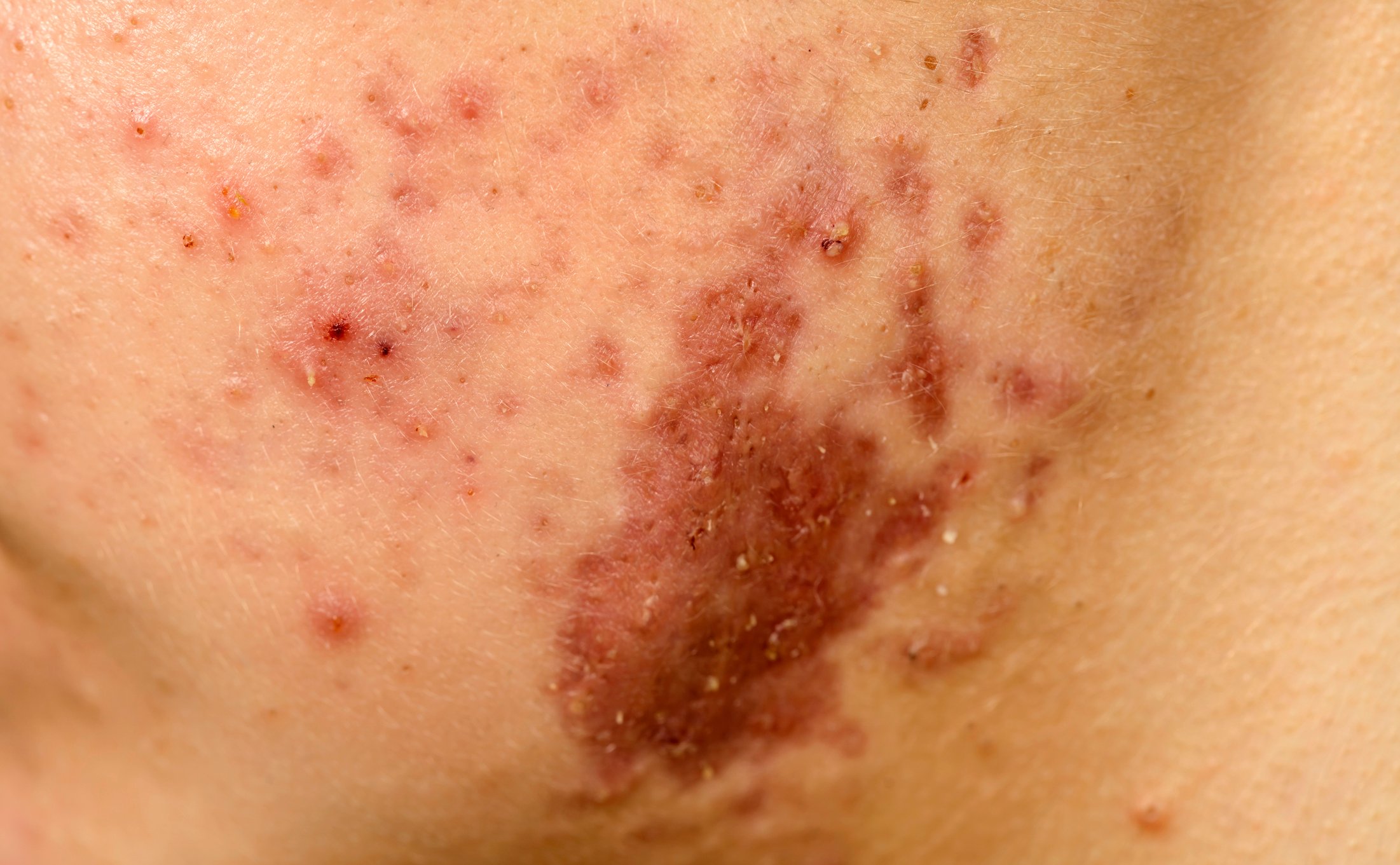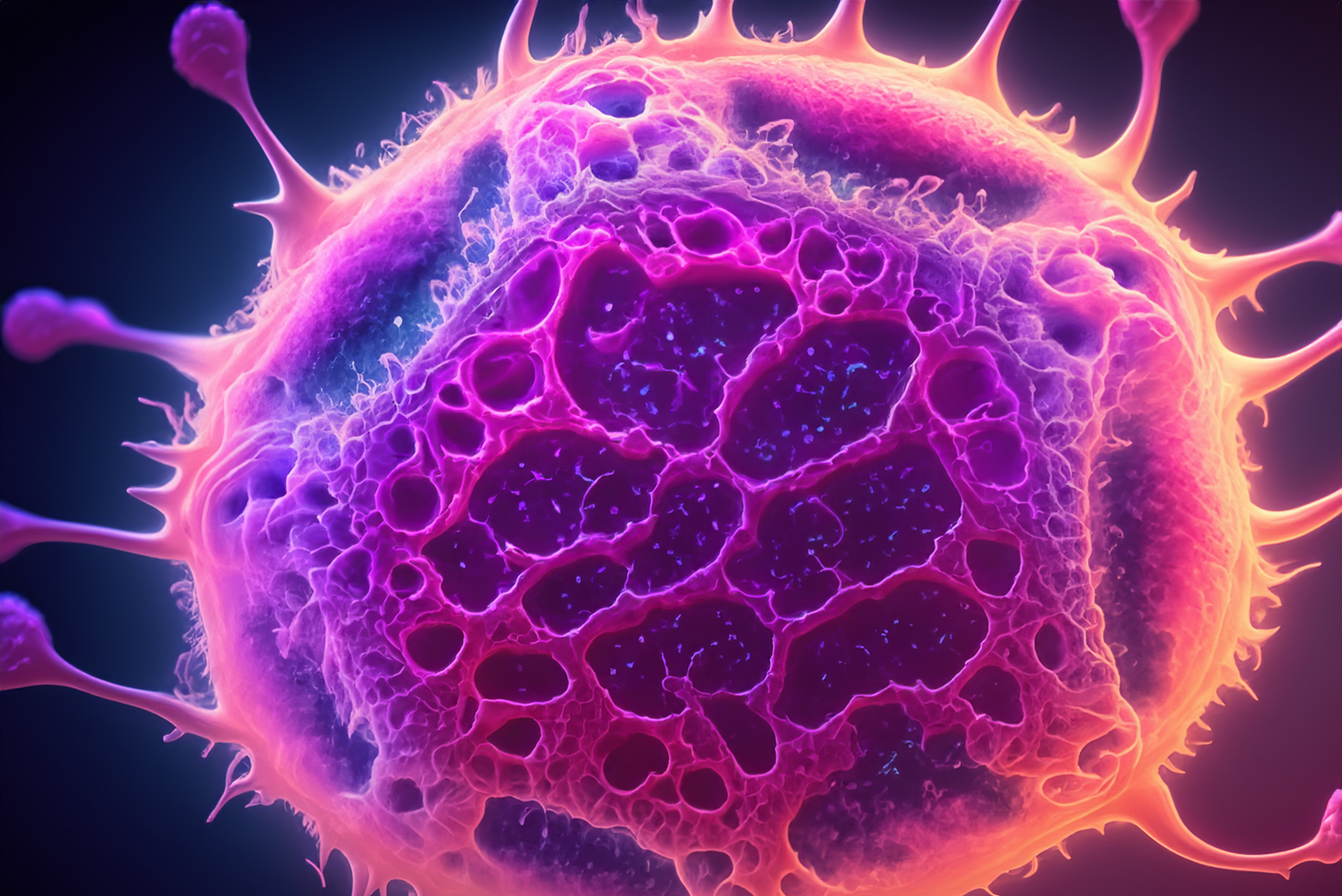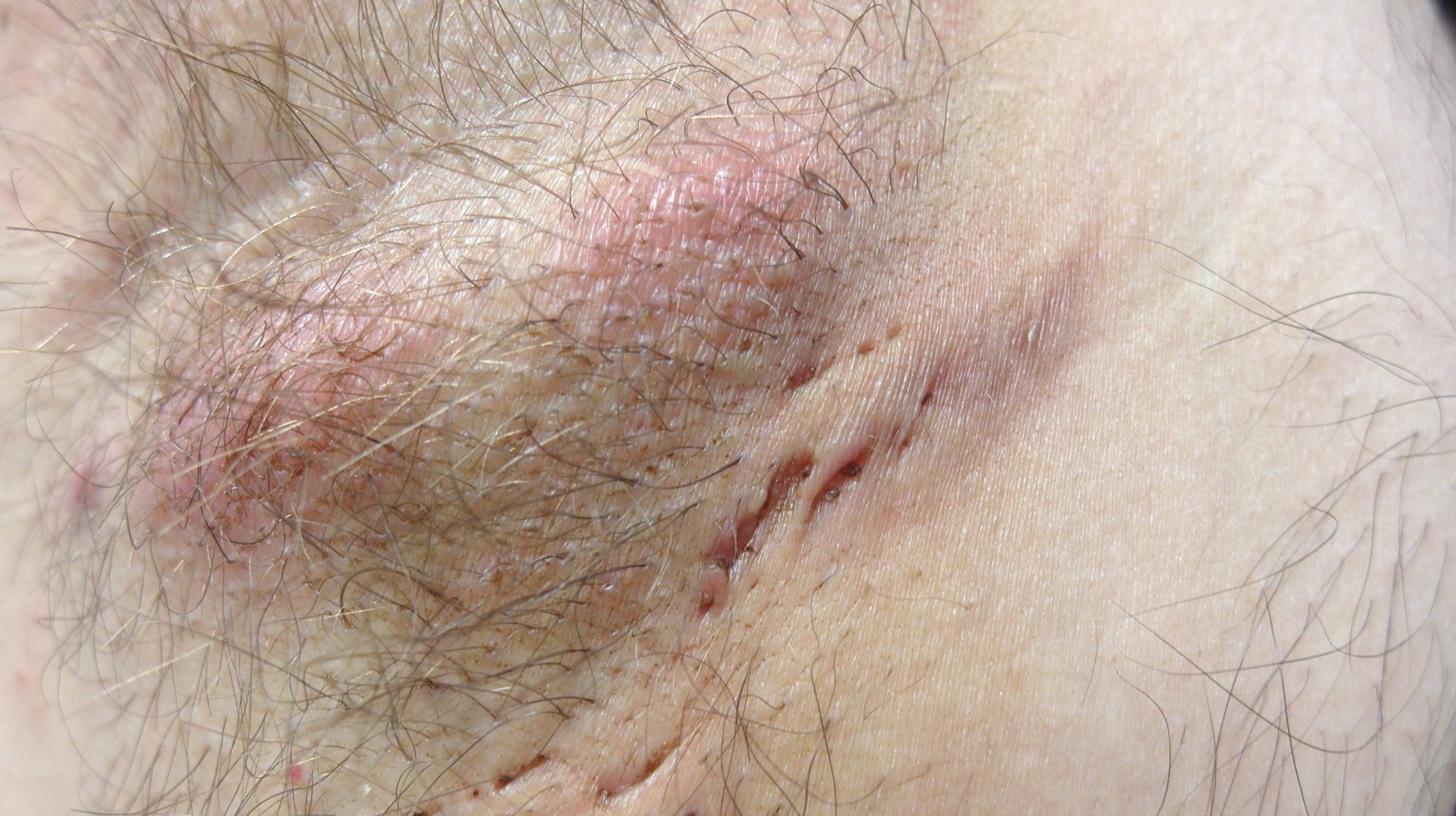
Due to its phenotypic heterogeneity and multifactorial pathogenesis, hidradenitis suppurativa is a complex disease that can be difficult to treat. Fortunately, research has achieved significant breakthroughs in the recent past, which is reflected in the fact that several biologics are now available and a number of drug candidates from the field of monoclonal antibodies and small molecules are being tested in trials. The further development of the therapy spectrum and other innovations are reflected in the recently published European S2k guideline.
Autoren
- Mirjam Peter, M.Sc.
Publikation
- DERMATOLOGIE PRAXIS

Related Topics
You May Also Like
- Severe acute pancreatitis
COX-2 inhibition alleviates inflammation and improves outcomes
- Ulcerative colitis
Rgs14 protein can worsen the severity
- Mastocytosis
Innovative pathogenesis-based therapeutic approaches in the pipeline
- Psychooncology
Communication as the key to therapy adherence
- Participation of the patient
Adherence in psychiatry
- From symptom to diagnosis
Renal cell carcinoma
- Lipid management: ESC/EAS guideline update 2025
New recommendations on CVD risk classification, lipid lowering in statin intolerance and hoFH
- Chronically active MS lesions