Medizinonline Medizinonline
  • News
    • News
    • Market & Medicine
  • Patients
    • Disease patterns
    • Diagnostics
    • Therapy
  • Partner Content
    • Diabetes
      • Dia-Month Club – Type 2 Diabetes
      • Diabetes in Motion
      • Diabetes Podcasts
    • Gastroenterology
      • IBD matters
    • Oncology
      • Swiss Oncology in motion
    • Orthopedics
      • Osteoporosis in motion
  • Departments
    • Allergology and clinical immunology
    • General Internal Medicine
    • Anesthesiology
    • Angiology
    • Surgery
    • Dermatology and venereology
    • Endocrinology and Diabetology
    • Nutrition
    • Gastroenterology and Hepatology
    • Genetics
    • Geriatrics
    • Gynecology
    • Hematology
    • Infectiology
    • Cardiology
    • Nephrology
    • Neurology
    • Emergency and intensive care medicine
    • Nuclear Medicine
    • Oncology
    • Ophthalmology
    • ORL
    • Orthopedics
    • Pediatrics
    • Pharmacology and toxicology
    • Pharmaceutical medicine
    • Phlebology
    • Physical medicine and rehabilitation
    • Pneumology
    • Prevention and health care
    • Psychiatry and psychotherapy
    • Radiology
    • Forensic Medicine
    • Rheumatology
    • Sports Medicine
    • Traumatology and trauma surgery
    • Tropical and travel medicine
    • Urology
    • Dentistry
  • CME & Congresses
    • CME continuing education
    • Congress Reports
    • Congress calendar
  • Practice
    • Noctimed
    • Practice Management
    • Jobs
    • Interviews
  • Log In
  • Register
  • My account
  • Contact
  • Publications
  • Contact
  • Deutsch
  • English
  • Français
  • Italiano
  • Português
  • Español
Subscribe
Medizinonline Medizinonline
  • News
    • News
    • Market & Medicine
  • Patienten
    • Krankheitsbilder
    • Diagnostik
    • Therapie
  • Partner Content
    • Diabetes
      • Dia-Month Club – Type 2 Diabetes
      • Diabetes in Motion
      • Diabetes Podcasts
    • Gastroenterology
      • IBD matters
    • Oncology
      • Swiss Oncology in motion
    • Orthopedics
      • Osteoporosis in motion
    • Phytotherapie
    • Rheumatology
  • Departments
    • Fachbereiche 1-13
      • Allergology and clinical immunology
      • General Internal Medicine
      • Anesthesiology
      • Angiology
      • Surgery
      • Dermatology and venereology
      • Endocrinology and Diabetology
      • Nutrition
      • Gastroenterology and Hepatology
      • Genetics
      • Geriatrics
      • Gynecology
      • Hematology
    • Fachbereiche 14-26
      • Infectiology
      • Cardiology
      • Nephrology
      • Neurology
      • Emergency and intensive care medicine
      • Nuclear Medicine
      • Oncology
      • Ophthalmology
      • ORL
      • Orthopedics
      • Pediatrics
      • Pharmacology and toxicology
      • Pharmaceutical medicine
    • Fachbereiche 26-38
      • Phlebology
      • Physical medicine and rehabilitation
      • Phytotherapy
      • Pneumology
      • Prevention and health care
      • Psychiatry and psychotherapy
      • Radiology
      • Forensic Medicine
      • Rheumatology
      • Sports Medicine
      • Traumatology and trauma surgery
      • Tropical and travel medicine
      • Urology
      • Dentistry
  • CME & Congresses
    • CME continuing education
    • Congress Reports
    • Congress calendar
  • Practice
    • Noctimed
    • Practice Management
    • Jobs
    • Interviews
Login

Sie haben noch keinen Account? Registrieren

  • Pediatric operations

When children wish for more pain medication

    • Congress Reports
    • General Internal Medicine
    • Neurology
    • Pediatrics
    • Pharmacology and toxicology
    • RX
    • Studies
  • 3 minute read

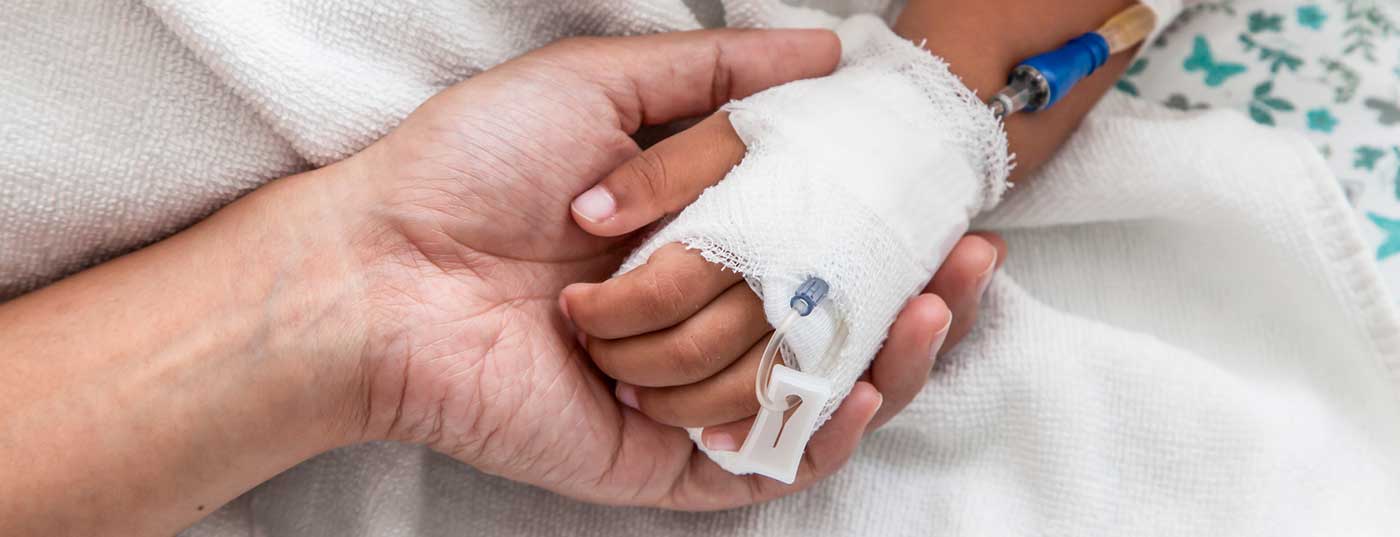
Postoperative pain and pain-related impairments are still inadequately treated in many cases, not only in adults but also in children. In an analysis of pediatric patient populations, a group of researchers described variables associated with the desire for more pain management after appendectomies (AEs) and tonsillectomies (TEs).

This was based on data from the PAIN OUT infant registry, write Prof. Frank Stüber, MD, Prof. Ulrike Stamer, MD, Kyra Bernhart, and Maria Setzer of the Department of Anesthesiology and Pain Management at Inselspital Bern, and colleagues from Jena, Germany. Children aged 4 years and older with either appendectomy or tonsillectomy were prospectively included in the analysis. Several clinical variables were evaluated (opioids, non-opioid analgesics, NOPA, preoperative, intraoperative, recovery room, ward) as well as the results of a standardized patient questionnaire with yes/no answers on pain-related impairments and side effects, which was answered on the first postoperative day (Faces Pain Scale revised). The primary endpoint of the study was “desire” vs “no desire” for more pain medication (statistics: median (IQR); MW (95% CI); regression analysis: elastic net regularization with “desire” as the dependent variable).

NOPA preoperatively = less analgesic desire.

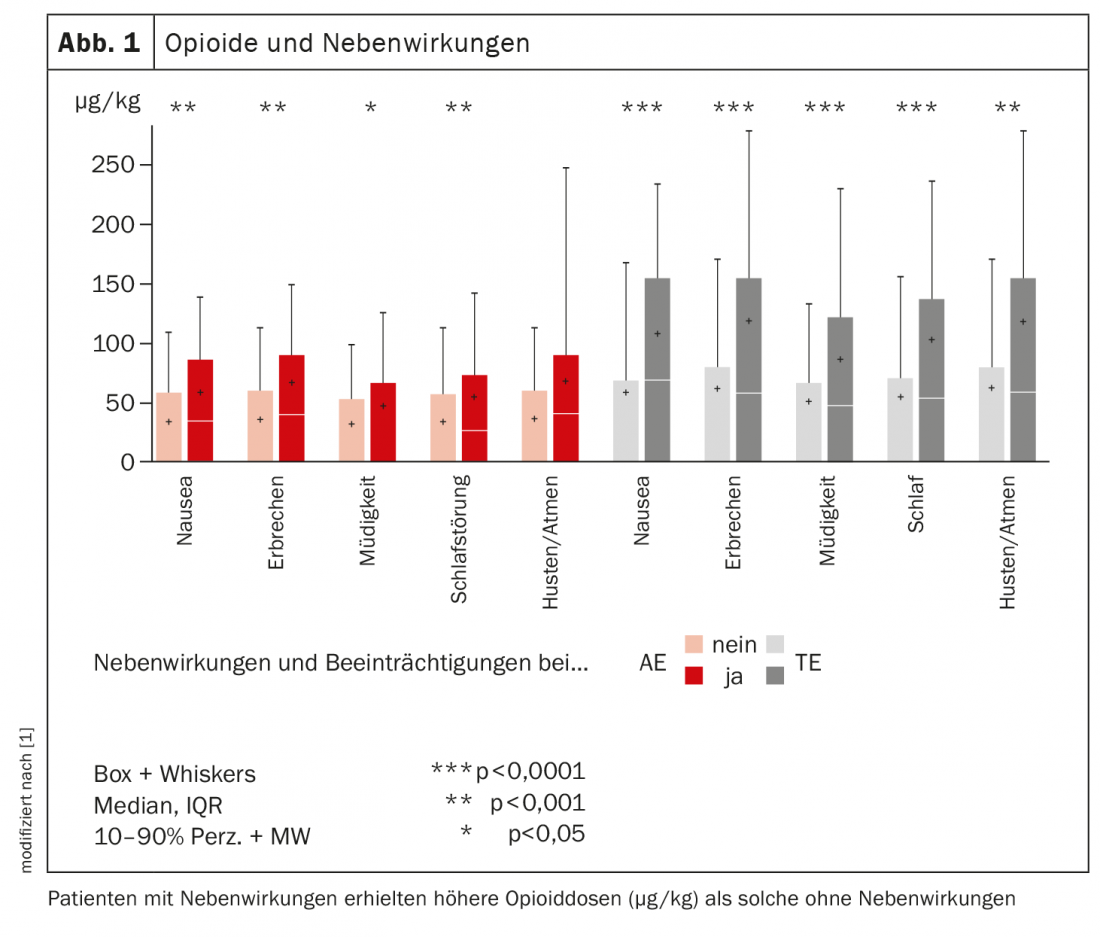
472 (according to AE) and 426 (according to TE) children from four European countries took part. 51.2% of them were girls the average age of the children was 9.5 ± 3.8 years the operations lasted on average 45 ± 26 min. After AE, 24.8% and after TE, 20.4% of children expressed a desire for more analgesics, with children with desire reporting more severe pain, more frequent pain-related sleep disturbances (67% vs. 29%; p<0.001), more nausea (38% vs. 27%; p=0.002), and more vomiting (25% vs. 15%; p<0.003). Children with desire required more opioids postoperatively (morphine equivalents 81 (60-102) vs. 50 (43-56) µg/kg; p<0.001). However, they were less likely to be given two or three preventive non-opioid analgesics of different drug classes before the end of surgery (17% vs. 29%; p=0.02) (Fig. 1).


The results of the regression analyses performed separately for AE and TE showed that a pain-related nighttime awakening increased the probability of “wish” by 2.8- and 3.5-fold, respectively; a one-point increase in pain score by 1.4- and 1.3-fold, respectively (Tab.1). For TE, the lack of administration of preventive non-opioid analgesics compared to the administration of at least two non-opioid analgesics of different substance classes had a significant impact on the “desire” for more analgesics with an OR of 3.5 (95% CI 2.1-6.5; p=0.02). If only one non-opioid analgesic was given preventively, the probability of “wish” doubled (OR 2.0; p=0.02).
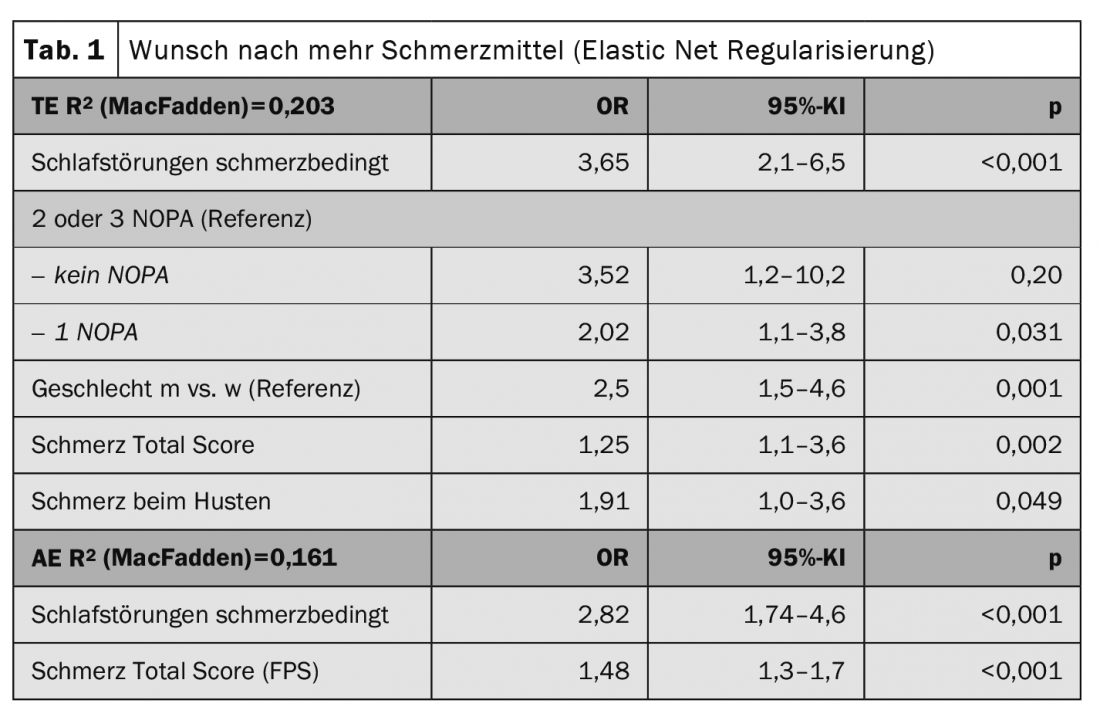


The models for TE and AE explained 16% and 20% of the variance, respectively, for the dependent variable “desire for more pain medication,” the authors write. Pain-related awakening on the first postoperative night was the variable with the greatest impact for both interventions. Preoperative or intraoperative administration of at least two NOPA of different substance groups (NSAID, metamizole, acetaminophen) contributed to better analgesia, with fewer children seeking additional analgesics. Preoperative or intraoperative NOPA were used less frequently in AE, but the same tendency toward better outcome (n.s.) was seen as in TE.

The researchers concluded that the preventive administration of at least two non-opioid analgesics of different substance groups is a measure that can be easily implemented in clinical practice. The use of (higher) opioid doses for postoperative analgesia, on the other hand, should be questioned.

Summary

  • Pain-related sleep disturbance and severe pain were associated with a desire for more pain medication.
  • Lack of administration of NOPA of different substance groups increased the risk of “wish” by 3.5-fold compared with pre/intraoperative administration of 2 or 3 NOPA in TEs.
  • The administration of at least two NOPA of different substance groups is a measure that can be easily translated into clinical practice.
  • The use of (higher) opioid doses for postoperative analgesia should be questioned.


– German Pain Congress 2020 (online)
 

Source:

  1. Bernhart K, et al: Pain-relevant outcome after pediatric surgery: What determines the desire for more analgesics? German Pain Congress 2020 (online); PO001.


InFo PAIN & GERIATRY 2020; 2(2): 26-27 (published 10/12/20, ahead of print).
Autoren
  • Jens Dehn
Publikation
Related Topics
  • Analgesics
  • Appendectomies
  • NOPA
  • Pediatric operations
  • Sleep disorders
  • Tonsillectomies
Previous Article
  • Lipid management: LDL cholesterol reduction

Add-on to statin therapy recommended in patients at high cardiovascular risk

  • Cardiology
  • Congress Reports
  • General Internal Medicine
  • RX
  • Studies
View Post
Next Article
  • Therapy of metastatic HER2-positive breast carcinoma

Is a cure possible soon?

  • Congress Reports
  • Gynecology
  • Oncology
  • RX
  • Studies
View Post
You May Also Like
View Post
  • 8 min
  • Proteins in wound healing

Do special amino acids lead to success?

    • CME continuing education
    • Dermatology and venereology
    • Endocrinology and Diabetology
    • Nutrition
    • RX
    • Studies
View Post
  • 12 min
  • Wound treatment

Surgical wound complications

    • CME continuing education
    • Dermatology and venereology
    • Endocrinology and Diabetology
    • Geriatrics
    • Physical medicine and rehabilitation
    • RX
    • Surgery
View Post
  • 8 min
  • Proteins in wound healing

Do special amino acids lead to success?

    • CME continuing education
    • Dermatology and venereology
    • Endocrinology and Diabetology
    • Nutrition
    • RX
    • Studies
View Post
  • 0 min
  • Psychedelic-assisted therapy

Current status of PAT

    • CME continuing education
    • General Internal Medicine
    • Pharmacology and toxicology
    • Psychiatry and psychotherapy
    • RX
    • Studies
View Post
  • 5 min
  • Hepatitis B prophylaxis

Vaccination protection for healthcare staff with patient contact – an update

    • Congress Reports
    • General Internal Medicine
    • Infectiology
    • Prevention and health care
    • RX
View Post
  • 7 min
  • Plastic surgery and reconstructive microsurgery for DFS

Functional limb preservation between infection control, vascular medicine and resurfacing

    • Angiology
    • CME continuing education
    • Endocrinology and Diabetology
    • General Internal Medicine
    • Geriatrics
    • Physical medicine and rehabilitation
    • RX
    • Surgery
View Post
  • 6 min
  • Chronic urticaria: new treatment alternatives in sight

If antihistamines are not sufficient and IgE levels are low

    • Allergology and clinical immunology
    • Congress Reports
    • Dermatology and venereology
    • Pharmacology and toxicology
    • RX
    • Studies
View Post
  • 14 min
  • Adrenogenital syndrome

Clinical care from birth to adulthood

    • CME continuing education
    • Endocrinology and Diabetology
    • Nephrology
    • Pediatrics
    • RX
    • Studies
  • IBD matters

    Zum Thema
Top CME content
  • 1
    Do special amino acids lead to success?
  • 2
    Current status of PAT
  • 3
    Surgical wound complications
  • 4
    Do special amino acids lead to success?
  • 5
    Functional limb preservation between infection control, vascular medicine and resurfacing

Newsletter

Sign up and stay up to date

Subscribe
Medizinonline Medizinonline
  • Contact
  • General terms and conditions
  • Imprint

Input your search keywords and press Enter.