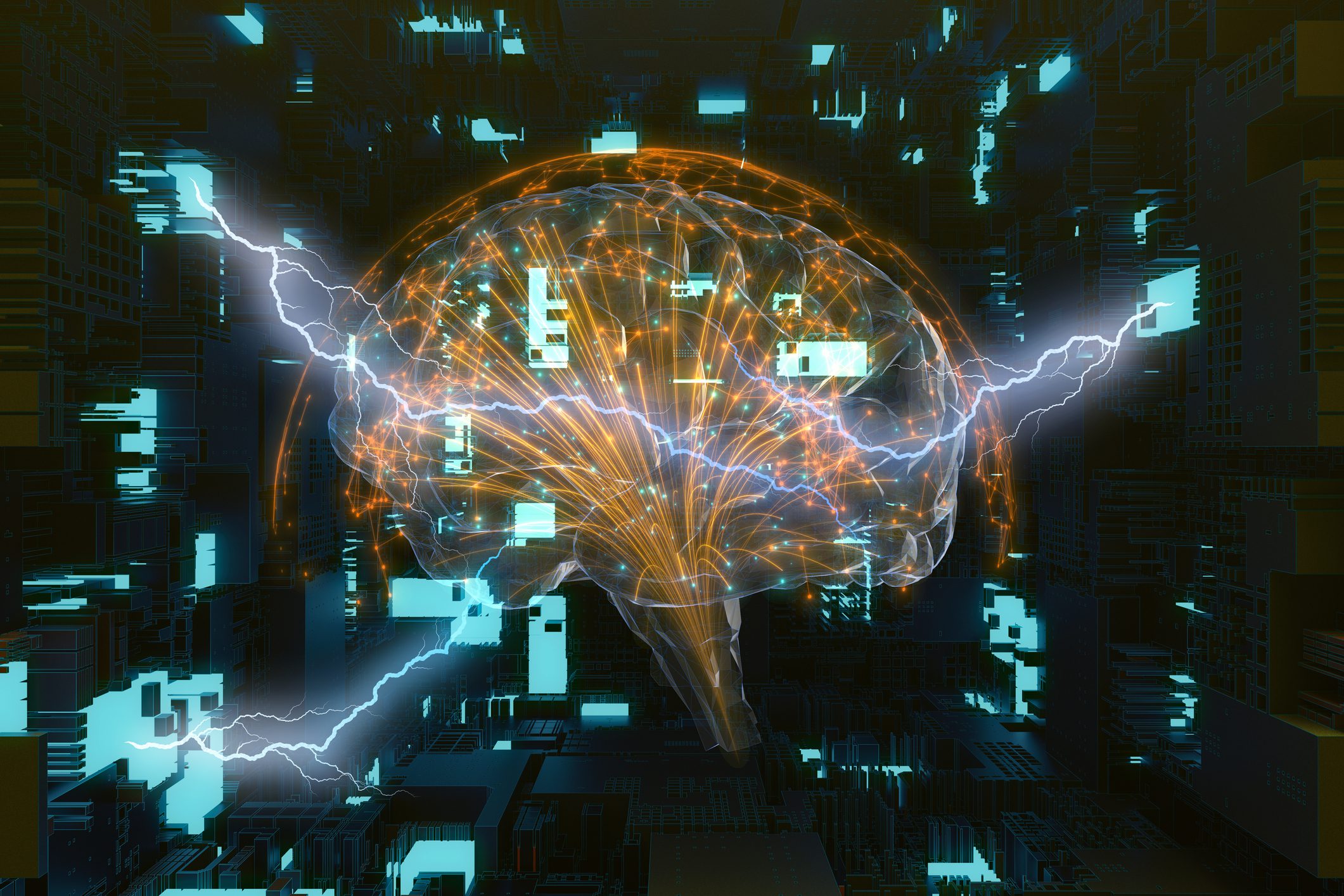
Neuroscience has made a huge leap in knowledge in recent decades. New methods in genomics, epigenetics, proteomics, metabolomics, imaging and data integration make it possible to characterize diseases more precisely than is possible through purely clinical observation. The concept of “precision neurology” transfers the logic of precision medicine to the field of neurology and psychiatry. It aims to make individual profiles from molecular, structural and functional data usable for diagnosis, prognosis and therapy. This overview summarizes the principles, methods, current evidence and key challenges.
Autoren
- Tanja Schliebe
Publikation
- InFo NEUROLOGIE & PSYCHIATRIE

Related Topics
You May Also Like
- Phytotherapy for rhinosinusitis
Evidence, active substances and clinical classification for medical practice
- Pulmonary hypertension
PH and lung diseases
- Contact eczema
Causes and prevention at work
- Respiratory infections: viral bronchitis or bacterial pneumonia?
Old crucial question in the light of current findings
- What biomarkers reveal about "biological youth" - and what not (yet)
Epigenetic ageing
- Amyotrophic lateral sclerosis and nutrition
Calorie optimization in ALS through digital intervention
- "Forgotten axis" between plant substances, gut and systemic health
Microbiome and phytotherapy
- HIV: updated EACS guideline