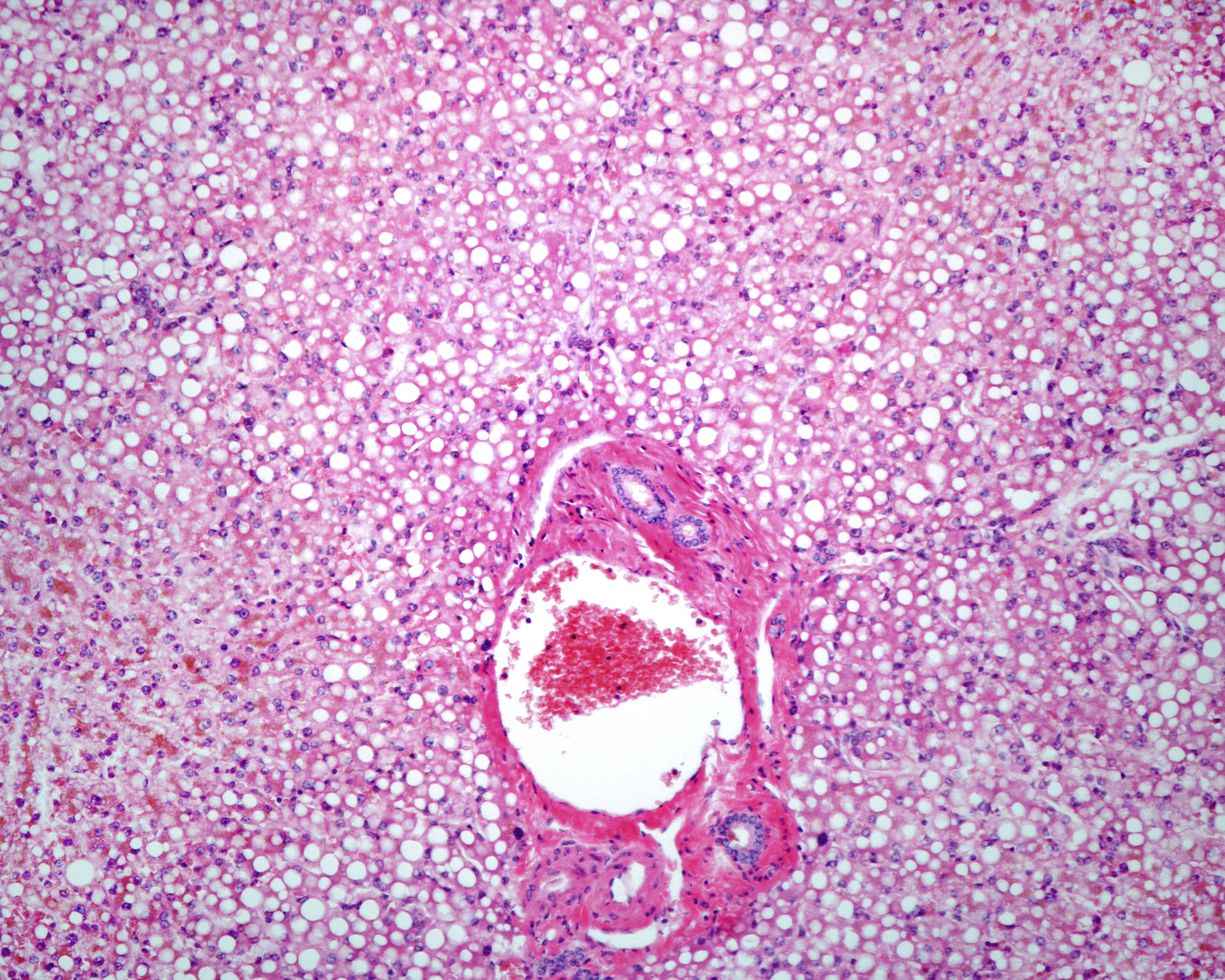
Over the last few decades, the incidence of steatotic liver disease has risen in parallel with the increase in obesity, diabetes and other metabolic diseases. It is recommended to screen patients at risk in a targeted manner. Significant progress has been made in the recent past. Recent studies have identified subtypes of MASLD with different cardiovascular risk profiles. In the field of drug therapy for MASH, an important breakthrough has been achieved with the FDA and EMA approval of resmetirome. However, the data situation for subcutaneously administered semaglutide is also promising, as current interim analyses show.
Autoren
- Mirjam Peter, M.Sc.
Publikation
- HAUSARZT PRAXIS
Related Topics
You May Also Like
- Upper GI Tract Bleeding: Hematemesis, Hematochezia, or Melena?
From Risk Stratification to Post-Endoscopic Management
- Obesity, Nutrition, and Mental Health
Depression, Binge Eating, Internalized Stigma
- From Hypertension to Heart Failure?
When and how to intervene
- Switzerland's First PTH Replacement Therapy
Palopegteriparatide for Chronic Hypoparathyroidism
- Case study
Orofacial Manifestations of Phelan-McDermid Syndrome
- Quitting smoking reduces cardiovascular risks
Offer professional support
- CKD and High Blood Pressure
Keeping an Eye on Bidirectional Interactions
- Atherosclerotic Coronary Plaques in High-Risk Patients