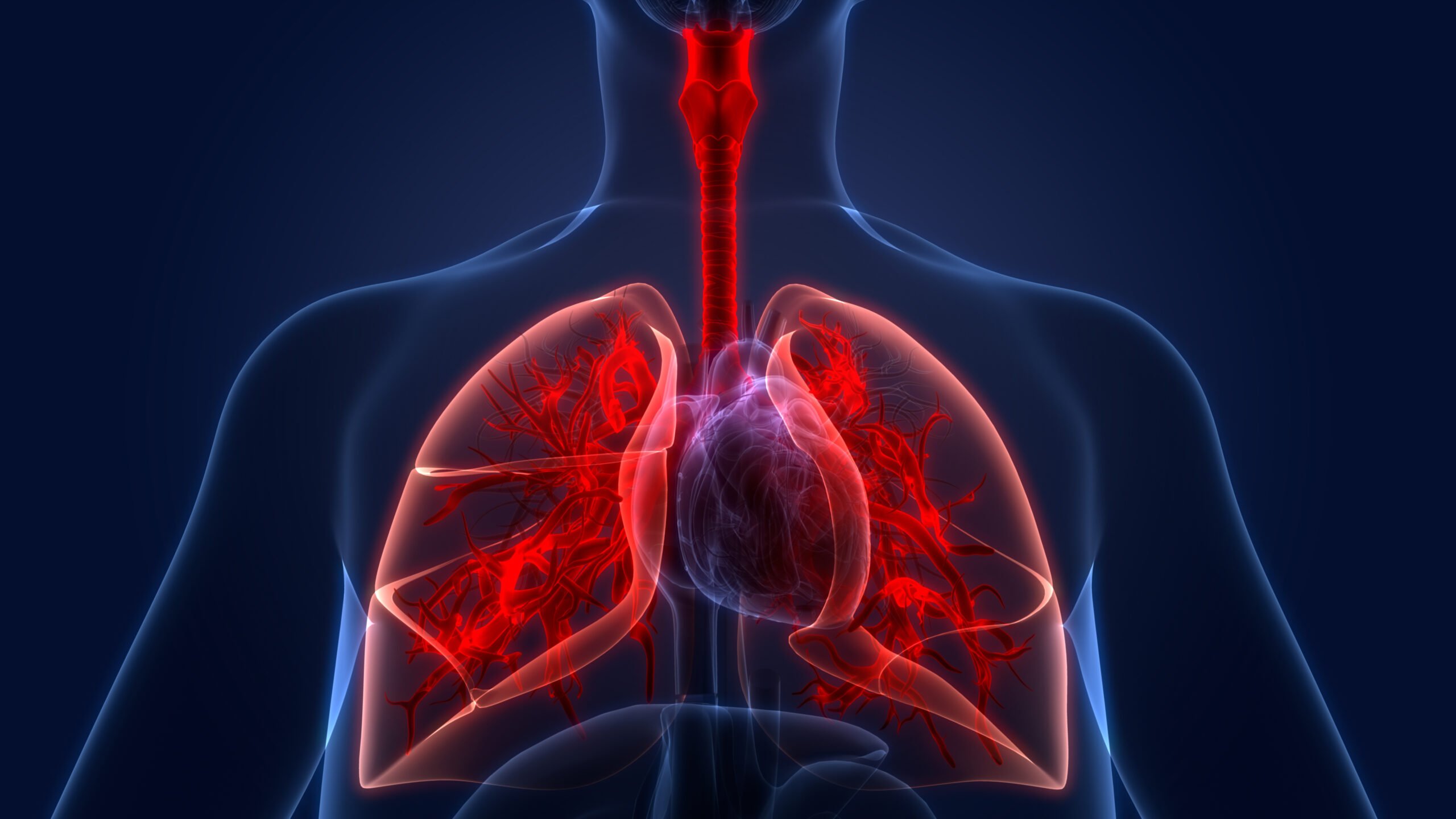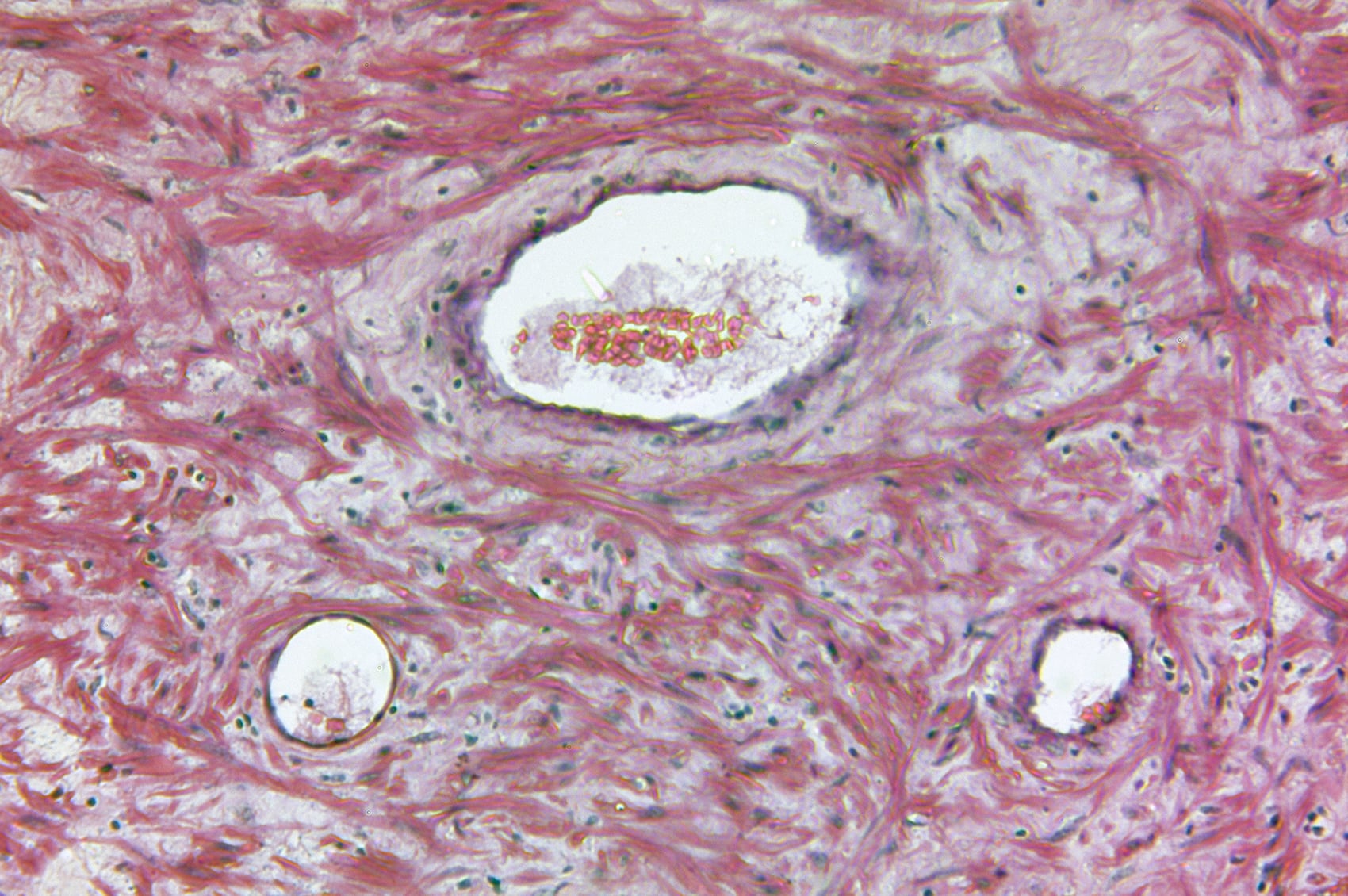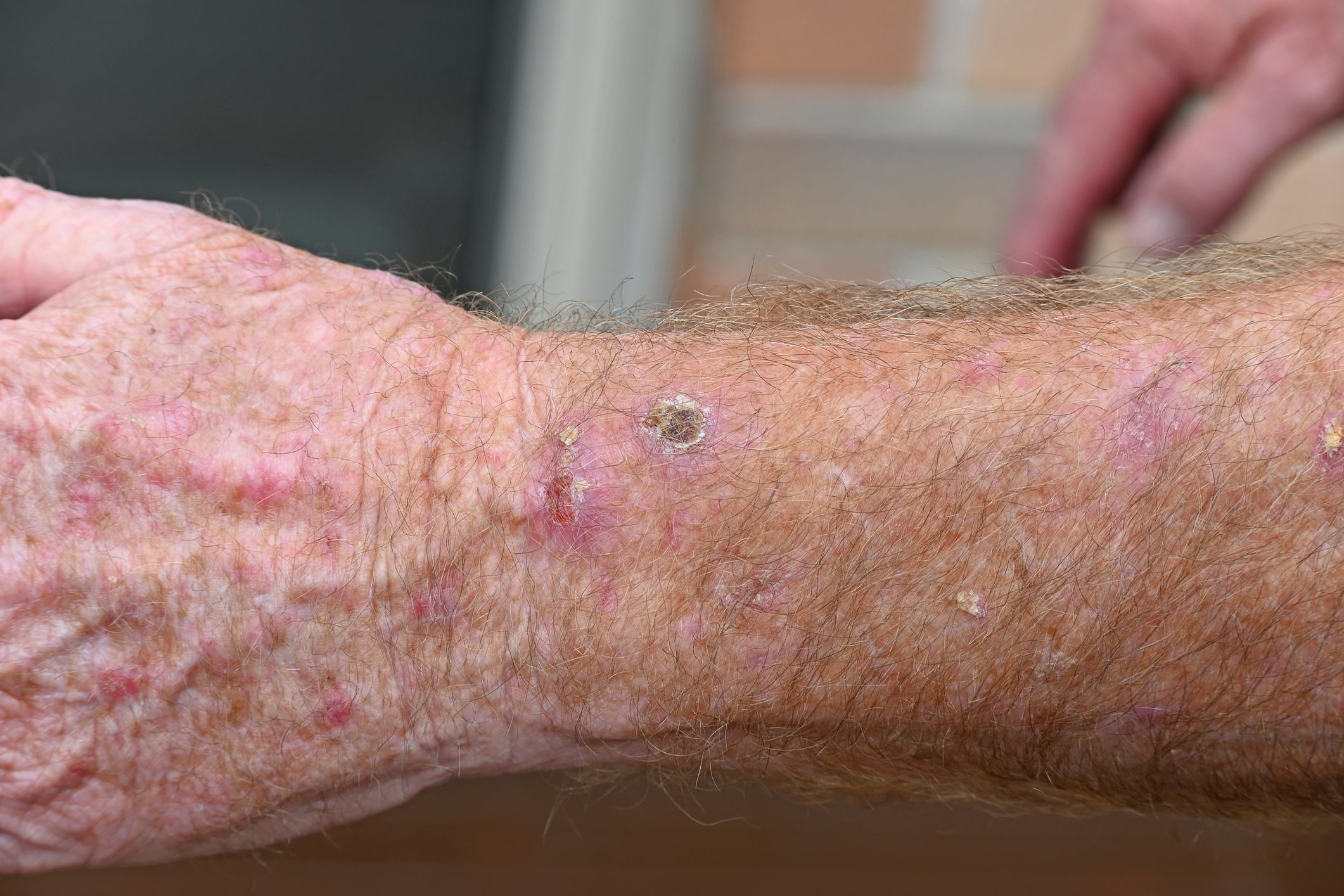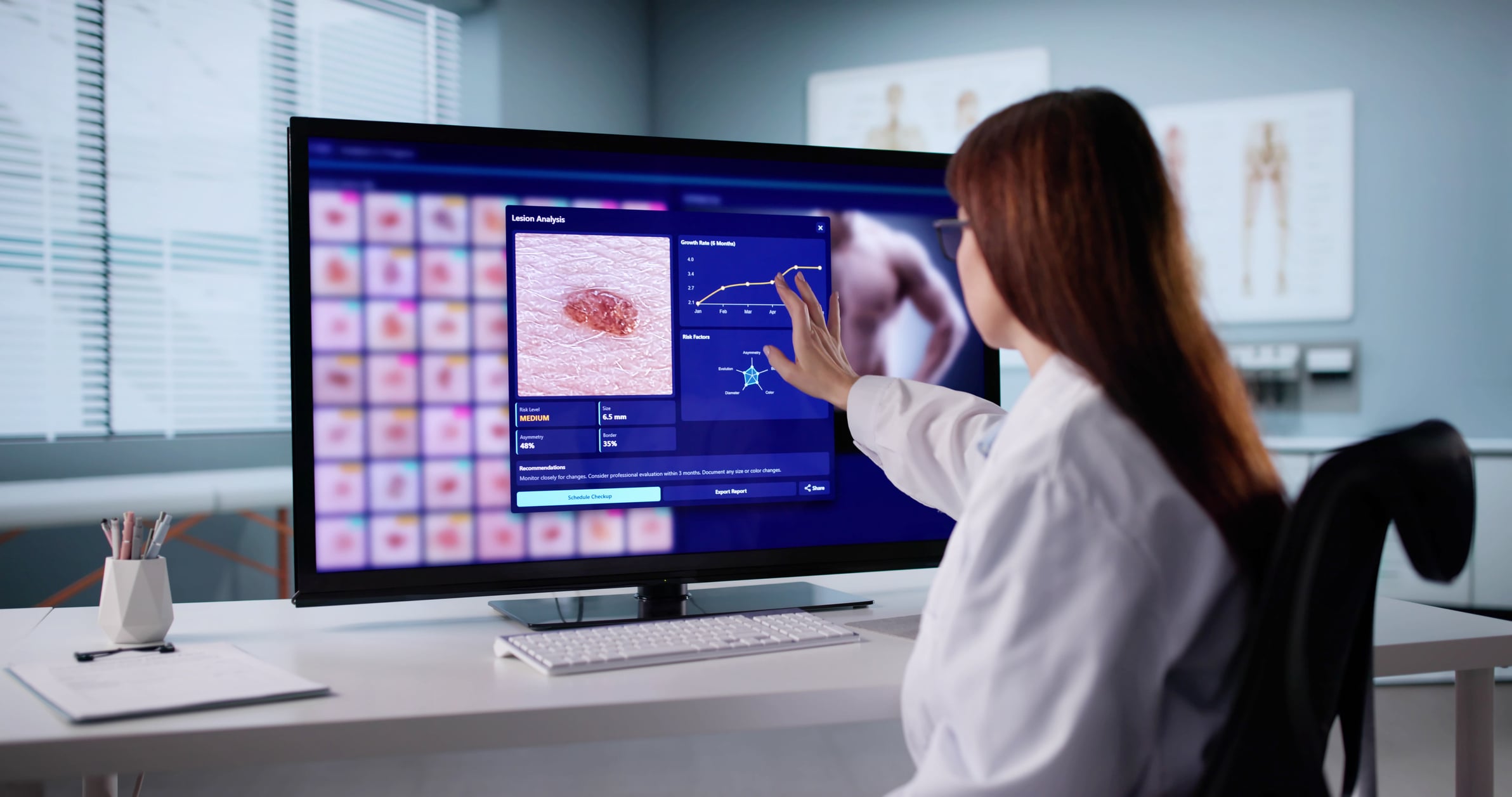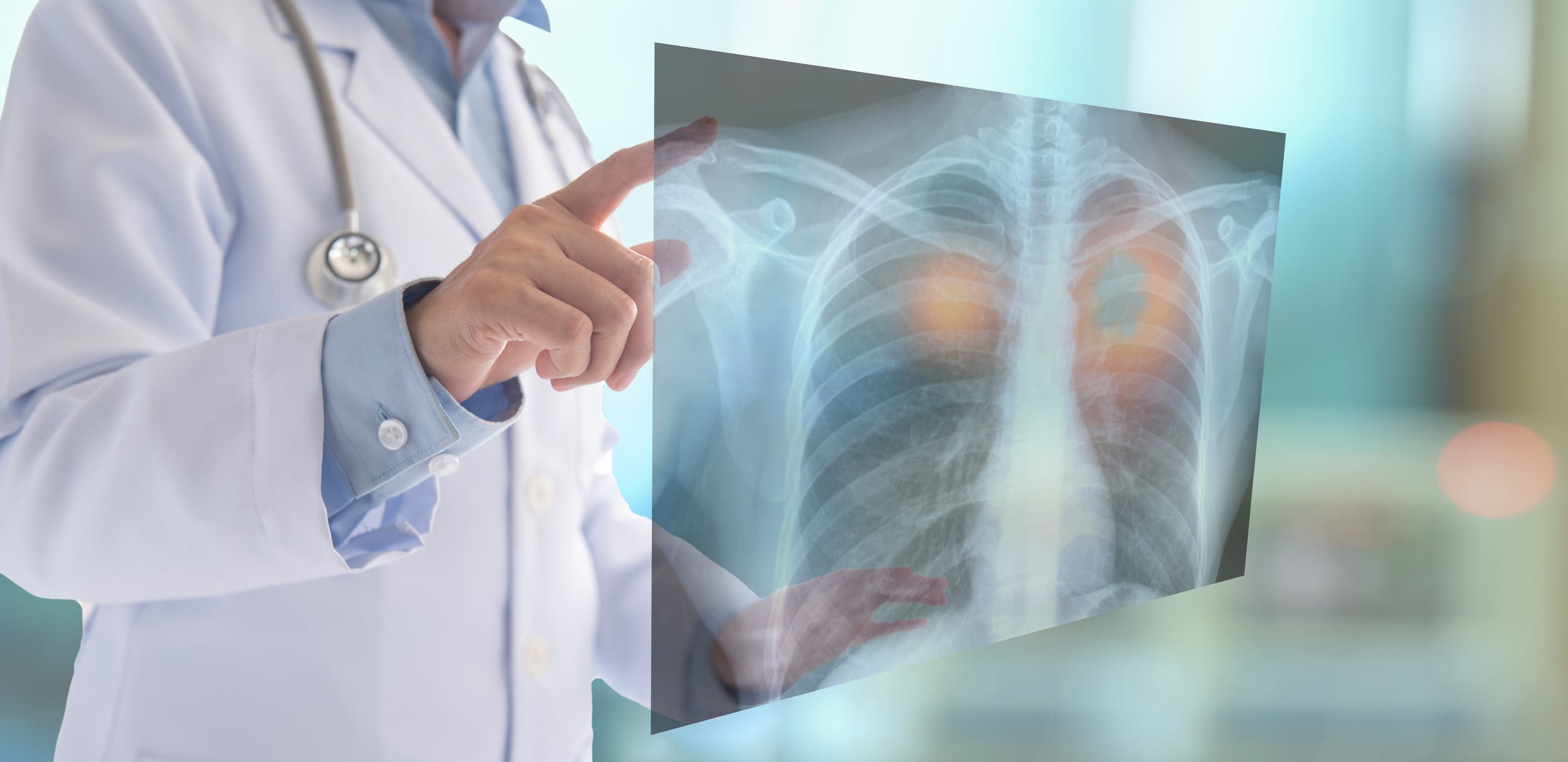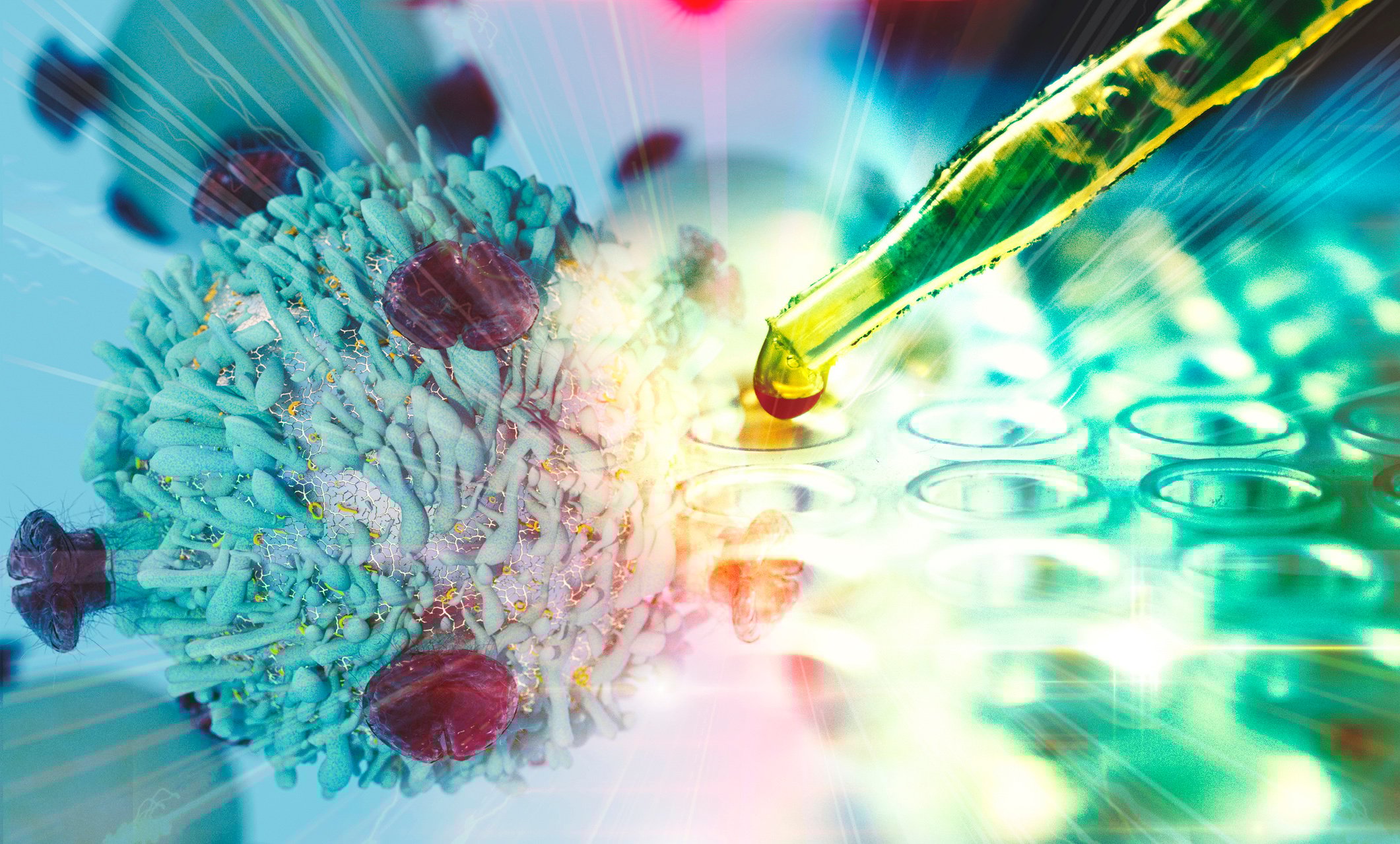
Tumor plasticity, epigenetic reprogramming and the dynamic tumor microenvironment shape the biology of CRC, AML and melanoma and influence their therapeutic vulnerability. Modern therapeutic approaches combine molecular profiles, TME signatures and functional biomarkers to break through resistance programs and enable more precise, patient-specific therapies.
Autoren
- Dr. oec. Odile Schwarz-Herion
Publikation
- InFo ONKOLOGIE & HÄMATOLOGIE
Related Topics
- Activation NF-κB-
- Adaptive resistance mechanisms
- AML
- AXL axis (melanoma)
- CRC
- CXCL12/CXCR4 axis (AML niche)
- DNMT3A and TET2 mutations (AML)
- Epigenetic plasticity
- Epigenetic reprogramming
- Functional biomarkers
- Fusobacterium nucleatum
- HAND1 expression
- IFN-γ signatures
- Immune checkpoint resistance (melanoma)
- Immunological dysfunction
- Intratumoral heterogeneity
- Melanoma
- Metabolic-epigenetic coupling
- microbiome
- MITF
- molecular mechanisms
- Multi-Omics profiles
- Myeloid suppression
- OXPHOS-dependent AML subtypes
- Precision Oncology
- Promotion of proliferative and anti-apoptotic signaling pathways
- SMAD4-dependent signaling pathways
- Stabilization of immunosuppressive cell types (MDSCs and tumor-associated macrophages)
- STAT- and MAPK-dependent programs
- T-cell exhaustion; JAK/STAT signaling pathways
- TME dynamics
- Tumor microenvironment (TME)
- Tumor plasticity
You May Also Like
- CRC, AML and melanoma in focus
Molecular mechanisms of tumor plasticity
- Friedreich's ataxia
Interim analyses of the PROFA study show “Unmet needs”
- Study report
Sphingolipid profile in early-stage primary biliary cholangitis
- Angiosarcoma of the heart
A diagnostic and therapeutic “black box”
- Ataxias
Friedreich’s ataxia: when the energy metabolism attacks the nervous system
- Risk of osteoporosis in autoimmune liver diseases
Always determine bone density in PBC, PSC and AIH
- Neuroendocrine tumors
Precision medicine in diagnostics and therapy
- Case report: Complication after type 2 diabetes