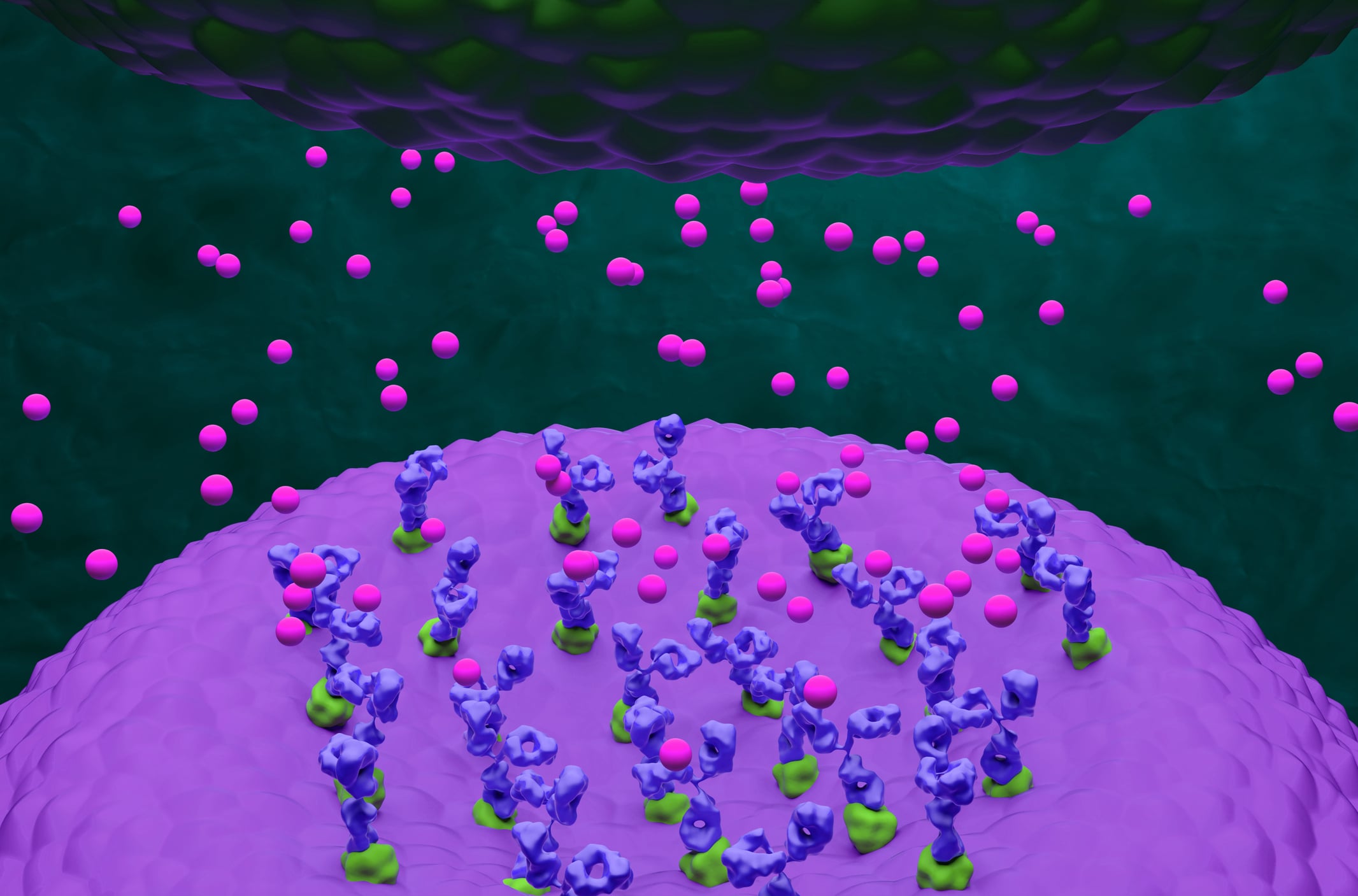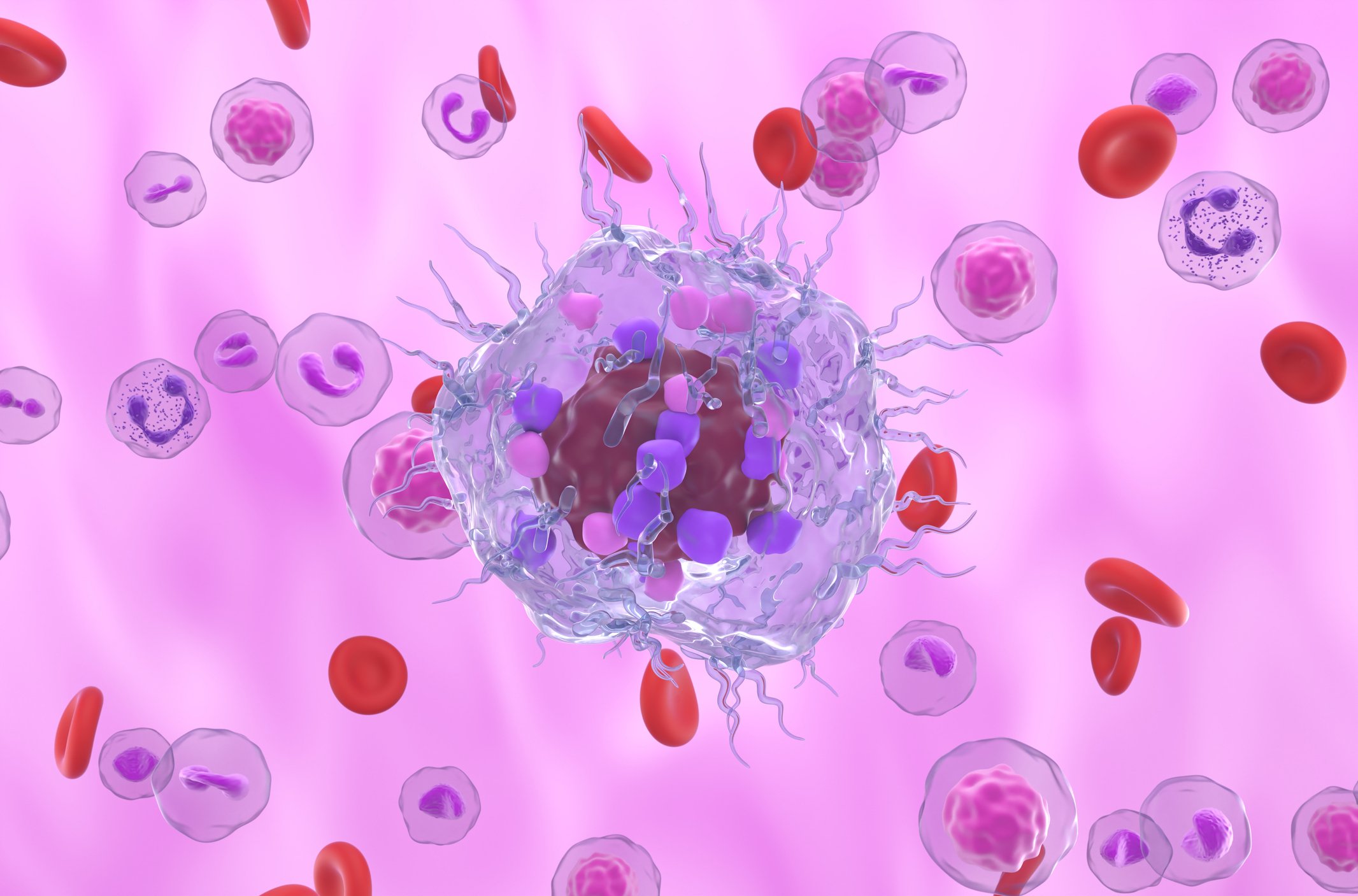
Thanks to modern imaging and molecular characterization, neuroendocrine tumours can now be detected and classified in a much more targeted manner. New therapeutic procedures such as radioligand therapy and targeted drugs are increasingly enabling individualized treatment strategies.
Autoren
- Dr. oec. Odile Schwarz-Herion
Publikation
- InFo ONKOLOGIE & HÄMATOLOGIE
Related Topics
- ENETS
- ENETS-certified center Inselspital Bern
- gastroenteropancreatic NET peptide receptor radionuclide therapy (PRRT)
- heterogeneous group of neoplasms
- Hormone-producing cells of the neuroendocrine system
- NET histopathological and immunohistochemical examinations
- NET localizations of the gynaecological tract
- NET precise morphological and molecular characterization
- NET somatostatin receptor expression
- NET Somatostatin receptor PET/CT
- NET Tumor Biology
- NET University Hospital Zurich
- Neuroendocrine tumors (NET)
- SeqEveRIV study
- SwissNET
You May Also Like
- Heart failure and type 2 diabetes
Oral semaglutide and cardiac decompensation in type 2 diabetes
- Atopic dermatitis as a door opener for an atopic cascade?
AD trajectories: Summary of current findings
- New evidence on descensus, urinary incontinence and the future of reconstruction
Urogynecology and pelvic floor surgery 2026
- Proteins in wound healing
Do special amino acids lead to success?
- Case study
Autosomal recessive polycystic kidney disease: atypical phenotype
- Current evidence, risk classes and new counseling options
Hormonal contraception and cardiovascular risk
- Acute otitis media: self-limiting course vs. "red flags"
In which cases are antibiotics necessary?
- Prurigo nodularis: evidence-based treatment