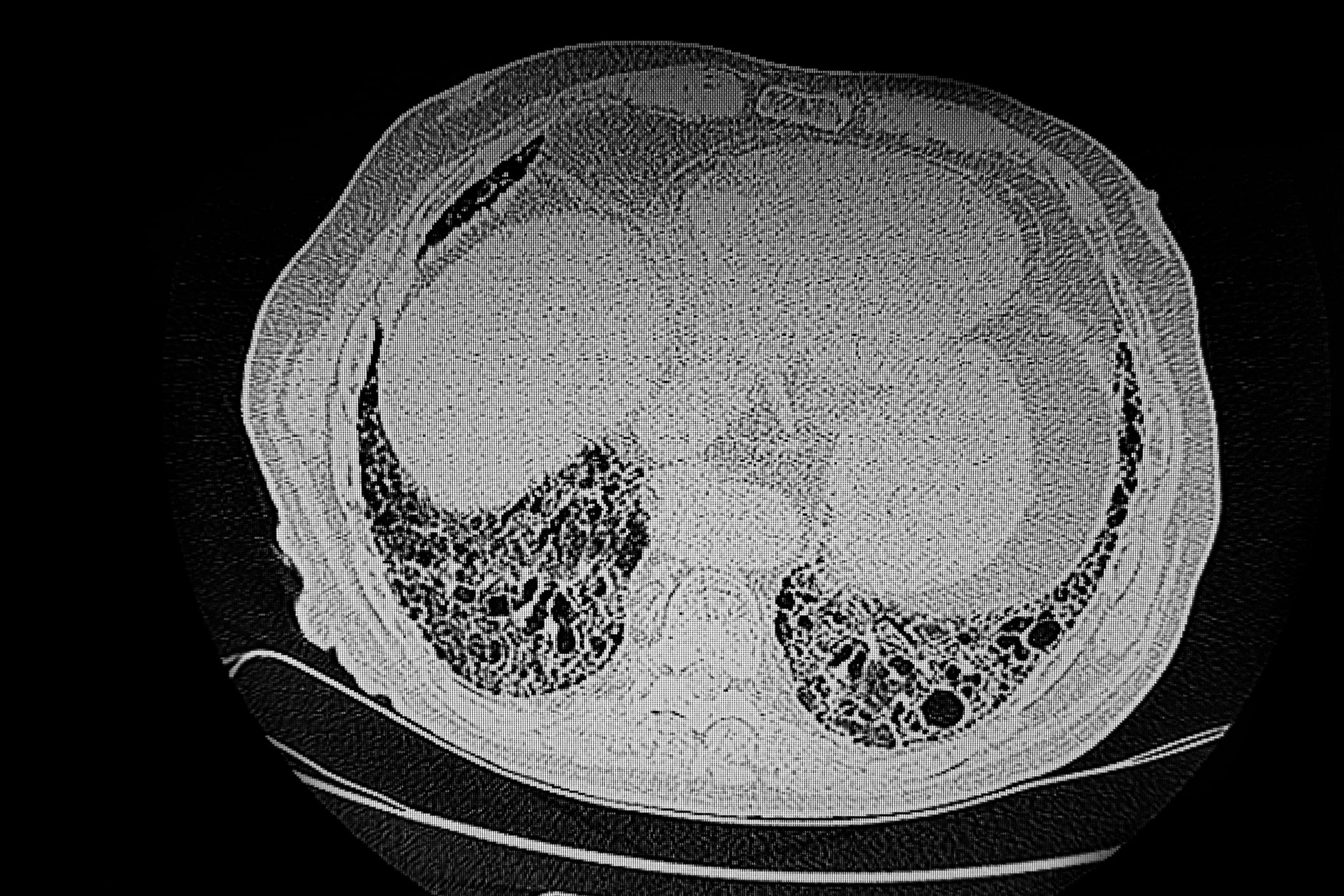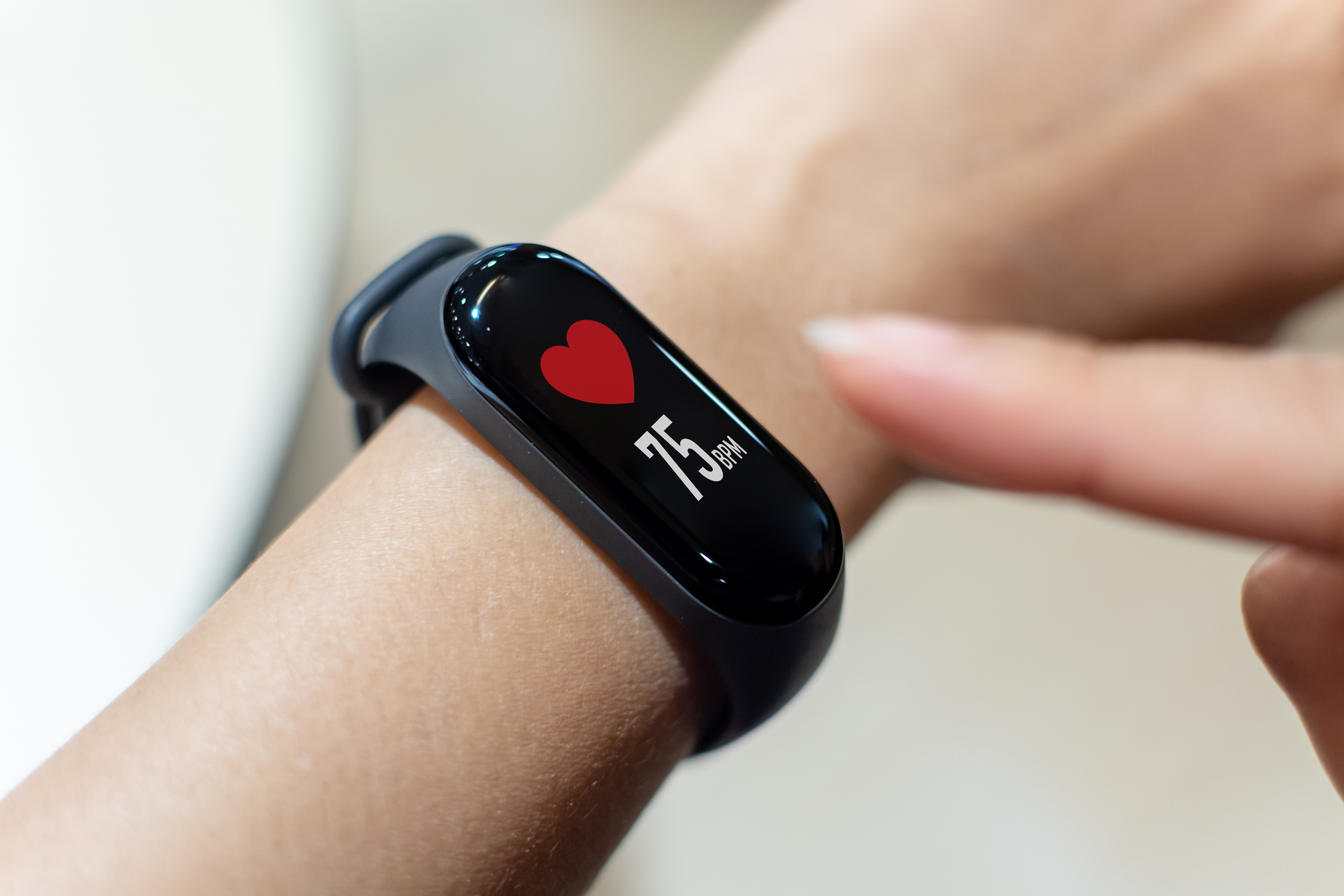
Wearable devices with photoplethysmography and ECG capabilities offer a non-invasive and scalable method of monitoring heart rate. A recently published randomized controlled trial provided evidence that six months of screening using a smartwatch improves the detection of new-onset atrial fibrillation compared to standard care in patients at increased risk of stroke.
Autoren
- Mirjam Peter, M.Sc.
Publikation
- HAUSARZT PRAXIS

Related Topics
You May Also Like
- Exercise for type 1 diabetes
Cyclists and runners with an increased risk of hypoglycemia
- Ozanimod for relapsing-remitting multiple sclerosis
Signs of improved tolerability with prolonged treatment
- When basal cell carcinomas prove difficult to treat
Reaching the goal with innovative therapy strategies
- Irritable Bowel Syndrome
IBS or endometriosis?
- Type 2 diabetes: sarcopenia and frailty
How can the breakdown of skeletal muscles be stopped?
- Cholangiocarcinoma
Modern molecular diagnostics and targeted therapy options
- Treatment resistant depression
Esketamine nasal spray as monotherapy? New for treatment-resistant depression
- Analysis of SNVCS data from the period 2005-2022