Medizinonline Medizinonline
  • News
    • News
    • Market & Medicine
  • Patients
    • Disease patterns
    • Diagnostics
    • Therapy
  • Partner Content
    • Diabetes
      • Dia-Month Club – Type 2 Diabetes
      • Diabetes in Motion
      • Diabetes Podcasts
    • Gastroenterology
      • IBD matters
    • Oncology
      • Swiss Oncology in motion
    • Orthopedics
      • Osteoporosis in motion
  • Departments
    • Allergology and clinical immunology
    • General Internal Medicine
    • Anesthesiology
    • Angiology
    • Surgery
    • Dermatology and venereology
    • Endocrinology and Diabetology
    • Nutrition
    • Gastroenterology and Hepatology
    • Genetics
    • Geriatrics
    • Gynecology
    • Hematology
    • Infectiology
    • Cardiology
    • Nephrology
    • Neurology
    • Emergency and intensive care medicine
    • Nuclear Medicine
    • Oncology
    • Ophthalmology
    • ORL
    • Orthopedics
    • Pediatrics
    • Pharmacology and toxicology
    • Pharmaceutical medicine
    • Phlebology
    • Physical medicine and rehabilitation
    • Pneumology
    • Prevention and health care
    • Psychiatry and psychotherapy
    • Radiology
    • Forensic Medicine
    • Rheumatology
    • Sports Medicine
    • Traumatology and trauma surgery
    • Tropical and travel medicine
    • Urology
    • Dentistry
  • CME & Congresses
    • CME continuing education
    • Congress Reports
    • Congress calendar
  • Practice
    • Noctimed
    • Practice Management
    • Jobs
    • Interviews
  • Log In
  • Register
  • My account
  • Contact
  • Publications
  • Contact
  • Deutsch
  • English
  • Français
  • Italiano
  • Português
  • Español
Subscribe
Medizinonline Medizinonline
  • News
    • News
    • Market & Medicine
  • Patienten
    • Krankheitsbilder
    • Diagnostik
    • Therapie
  • Partner Content
    • Diabetes
      • Dia-Month Club – Type 2 Diabetes
      • Diabetes in Motion
      • Diabetes Podcasts
    • Gastroenterology
      • IBD matters
    • Oncology
      • Swiss Oncology in motion
    • Orthopedics
      • Osteoporosis in motion
    • Phytotherapie
    • Rheumatology
  • Departments
    • Fachbereiche 1-13
      • Allergology and clinical immunology
      • General Internal Medicine
      • Anesthesiology
      • Angiology
      • Surgery
      • Dermatology and venereology
      • Endocrinology and Diabetology
      • Nutrition
      • Gastroenterology and Hepatology
      • Genetics
      • Geriatrics
      • Gynecology
      • Hematology
    • Fachbereiche 14-26
      • Infectiology
      • Cardiology
      • Nephrology
      • Neurology
      • Emergency and intensive care medicine
      • Nuclear Medicine
      • Oncology
      • Ophthalmology
      • ORL
      • Orthopedics
      • Pediatrics
      • Pharmacology and toxicology
      • Pharmaceutical medicine
    • Fachbereiche 26-38
      • Phlebology
      • Physical medicine and rehabilitation
      • Phytotherapy
      • Pneumology
      • Prevention and health care
      • Psychiatry and psychotherapy
      • Radiology
      • Forensic Medicine
      • Rheumatology
      • Sports Medicine
      • Traumatology and trauma surgery
      • Tropical and travel medicine
      • Urology
      • Dentistry
  • CME & Congresses
    • CME continuing education
    • Congress Reports
    • Congress calendar
  • Practice
    • Noctimed
    • Practice Management
    • Jobs
    • Interviews
Login

Sie haben noch keinen Account? Registrieren

  • Bacterial meningitis

Central nervous system survival strategy of pneumococci identified.

    • Infectiology
    • Neurology
    • News
    • RX
    • Studies
  • 2 minute read

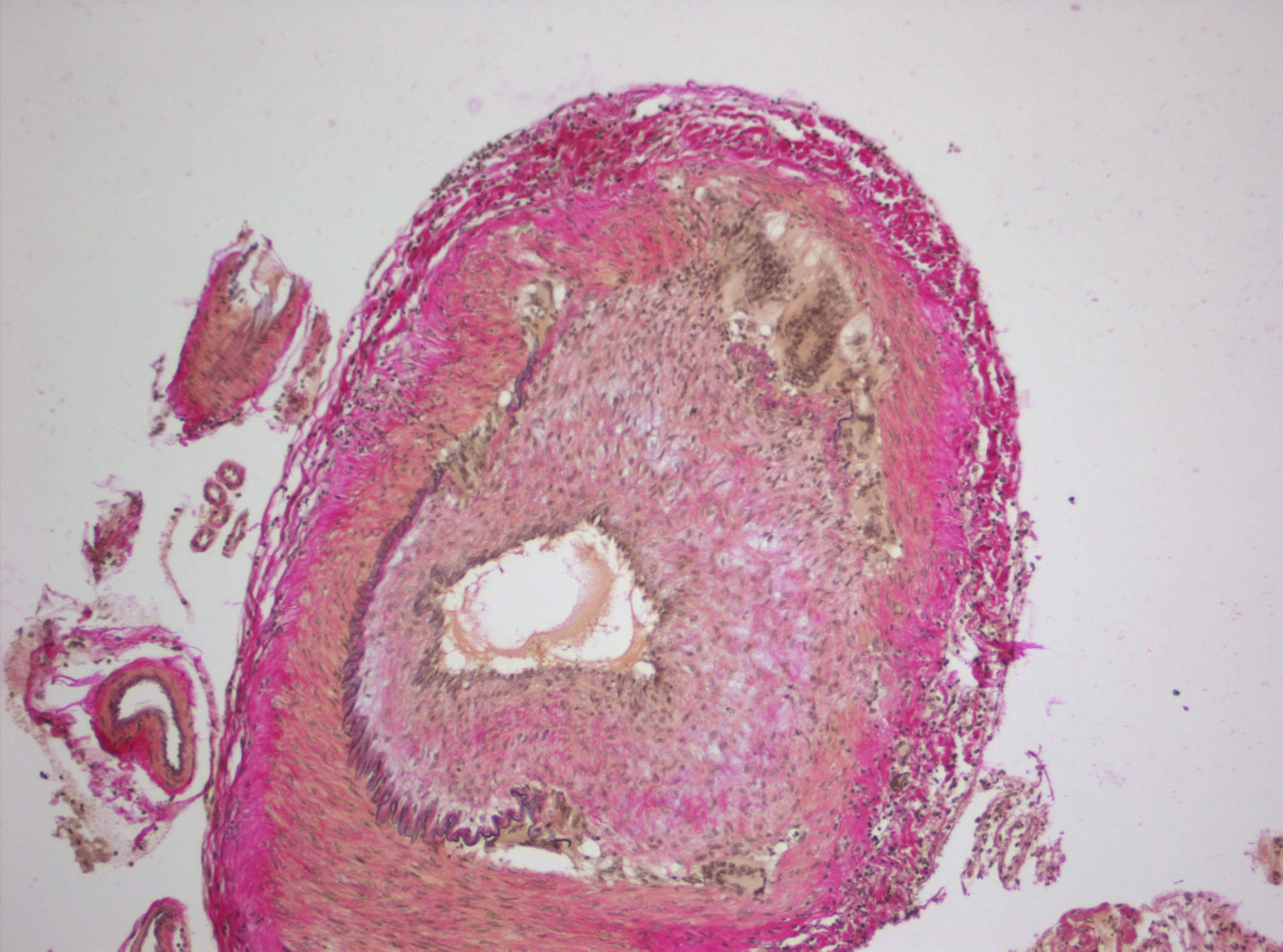
Meningitis caused by pneumococcus accounts for approximately 0.6% of all deaths worldwide, placing it in the top ten list of infections worldwide. An international research team has now gained important insights into pneumococcal survival strategies.

Meningitis caused by pneumococci accounts for about 0.6% of all deaths worldwide. Bacterial meningitis is thus in the list of the ten most important infections worldwide. Researchers from the University and University Medical Center Greifswald from the Interfaculty Institute for Genetics and Functional Genome Research (C_FunGene), the Neurological Clinic at the LMU Munich Hospital and other international researchers were involved in the study.

One of the most feared invasive pathologies of pneumococci is meningitis. This disease is often caused by the spread of bacteria through the bloodstream and the crossing of the blood-brain/ cerebrospinal fluid (CSF) barrier by pneumococci. More rarely, it is the result of a localized focus of pus, as can occur with otitis media. The mortality rate in children is between five and ten percent, and as high as 80 percent in high-risk and elderly patients. The increasing antibiotic resistance of pneumococci complicates treatment despite improved therapies and necessitates the development of preventive or novel intervention strategies. To do this, understanding the disease process – pathogenesis – and the bacterial pathogen in its host environment is critical.

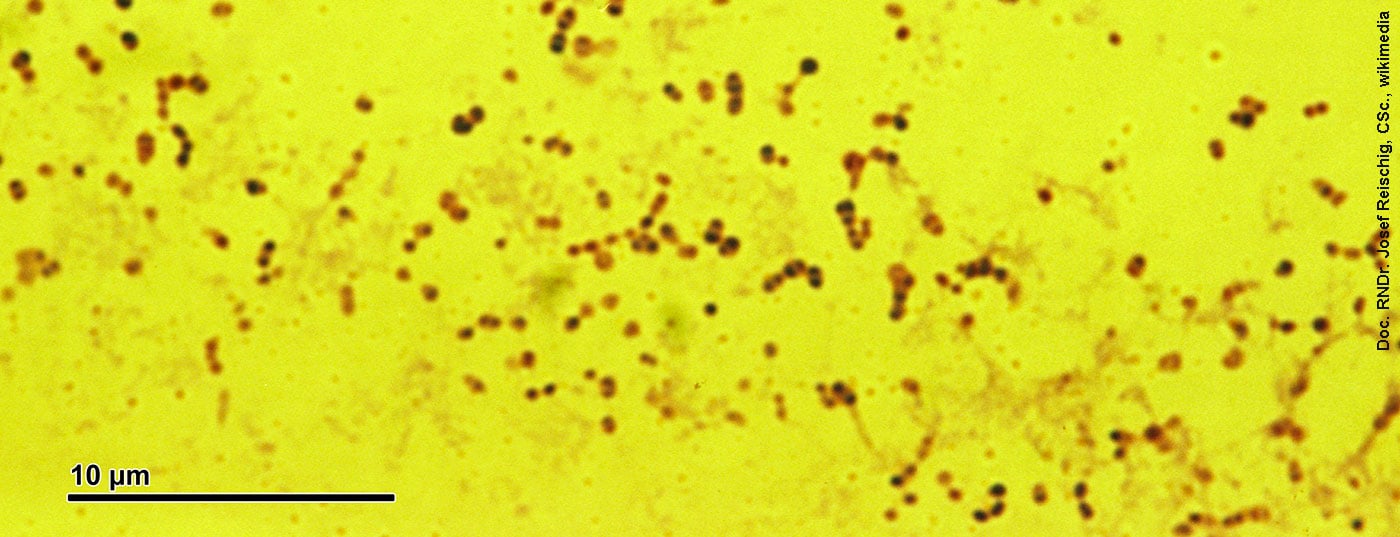
In an innovative approach using an experimental meningitis model and proteomic analysis, the interdisciplinary research team analyzed the in vivo proteome of pneumococci after isolating the bacteria from the cerebrospinal fluid (CSF) of mice. This identified proteins in pneumococci that were increased in production. It was a transport protein for so-called oligopeptides and a regulator protein that controls the uptake of extracellular DNA. The importance of these proteins was demonstrated by further studies in the experimental meningitis model. The absence of the pneumococcal proteins led to reduced brain hemorrhages and reduced immigration of immune cells,” explains Prof. Sven Hammerschmidt of the University of Greifswald. Furthermore, these pneumococcal mutants were able to cross the blood-brain/liquor barrier only to a small extent.

The results demonstrate the importance of gaining insight into the physiology and pathophysiology of pneumococci under infection conditions in order to develop new targets for preventive or therapeutic interventions.

Further reading:

  • Schmidt F, Kakar N, Meyer TC, et al: (2019). In vivo proteomics identifies the competence regulon and AliB oligopeptide transporter as pathogenic factors in pneumococcal meningitis. PLoS Pathogens 15:e1007987

Source: University of Greifswald (D)


InFo NEUROLOGY & PSYCHIATRY 2019; 17(5): 14.
Publikation
  • InFo NEUROLOGIE & PSYCHIATRIE
Related Topics
  • Meningitis
  • Meningitis
  • Pneumococcus
Previous Article
  • Digestive disorders

Gently treat gastrointestinal complaints

  • Education
  • Gastroenterology and Hepatology
  • General Internal Medicine
  • RX
View Post
Next Article
  • Hypertension Management

Optimized blood pressure setting in everyday practice

  • Cardiology
  • Education
  • RX
View Post
You May Also Like
View Post
  • 38 min
  • Psychological dependence on AI assistants, smartphones and short videos

Algorithms, avatars and the unburdened mind

    • RX
    • CME continuing education
    • Neurology
    • Pediatrics
    • Prevention and health care
    • Psychiatry and psychotherapy
    • Studies
View Post
  • 8 min
  • Psychooncology

Communication as the key to therapy adherence

    • CME continuing education
    • Practice Management
    • RX
View Post
  • 12 min
  • The Brain and the Motivation to Eat

Why is it so hard to lose weight?

    • RX
    • CME continuing education
    • Endocrinology and Diabetology
    • General Internal Medicine
    • Nutrition
    • Pharmacology and toxicology
    • Prevention and health care
    • Psychiatry and psychotherapy
    • Studies
View Post
  • 5 min
  • Omaveloxolone for Friedreich's Ataxia

Efficacy and Safety Studied Over 6 Years

    • Neurology
    • Congress Reports
    • Endocrinology and Diabetology
    • RX
    • Studies
View Post
  • 6 min
  • Psoriasis: therapy with biologics and TYK-2-i

Progress assessments based on current long-term and real-world data

    • RX
    • Congress Reports
    • Dermatology and venereology
    • Pharmacology and toxicology
    • Rheumatology
    • Studies
View Post
  • 4 min
  • Hypertension: the most important facts for daily practice

Early dual antihypertensive therapy is usually indicated

    • RX
    • Cardiology
    • Congress Reports
    • General Internal Medicine
View Post
  • 4 min
  • Escitalopram for anxiety disorders

Positive effect, but no immediate improvement in symptoms

    • RX
    • Education
    • Neurology
    • Pharmacology and toxicology
    • Psychiatry and psychotherapy
    • Studies
View Post
  • 4 min
  • Helicobacter pylori infection

Simplified dual therapy beats quadruple regimen

    • RX
    • Education
    • Gastroenterology and Hepatology
    • General Internal Medicine
    • Infectiology
    • Studies
  • IBD matters

    Zum Thema
Top CME content
  • 1
    Why is it so hard to lose weight?
  • 2
    Algorithms, avatars and the unburdened mind
  • 3
    Communication as the key to therapy adherence
  • 4
    Communication as the key to therapy adherence
  • 5
    Solutions to the malnutrition dilemma

Newsletter

Sign up and stay up to date

Subscribe
Medizinonline Medizinonline
  • Contact
  • General terms and conditions
  • Imprint

Input your search keywords and press Enter.