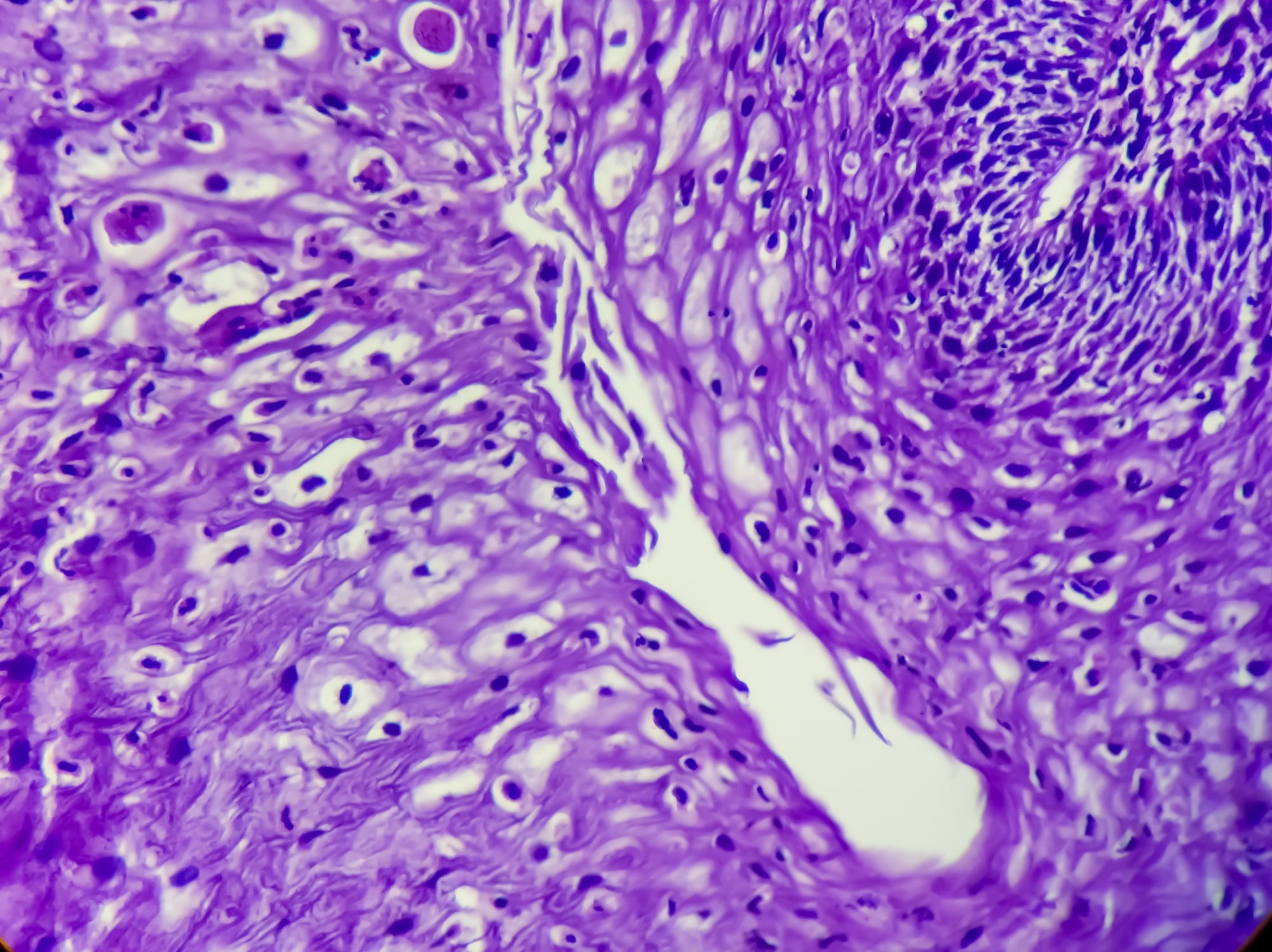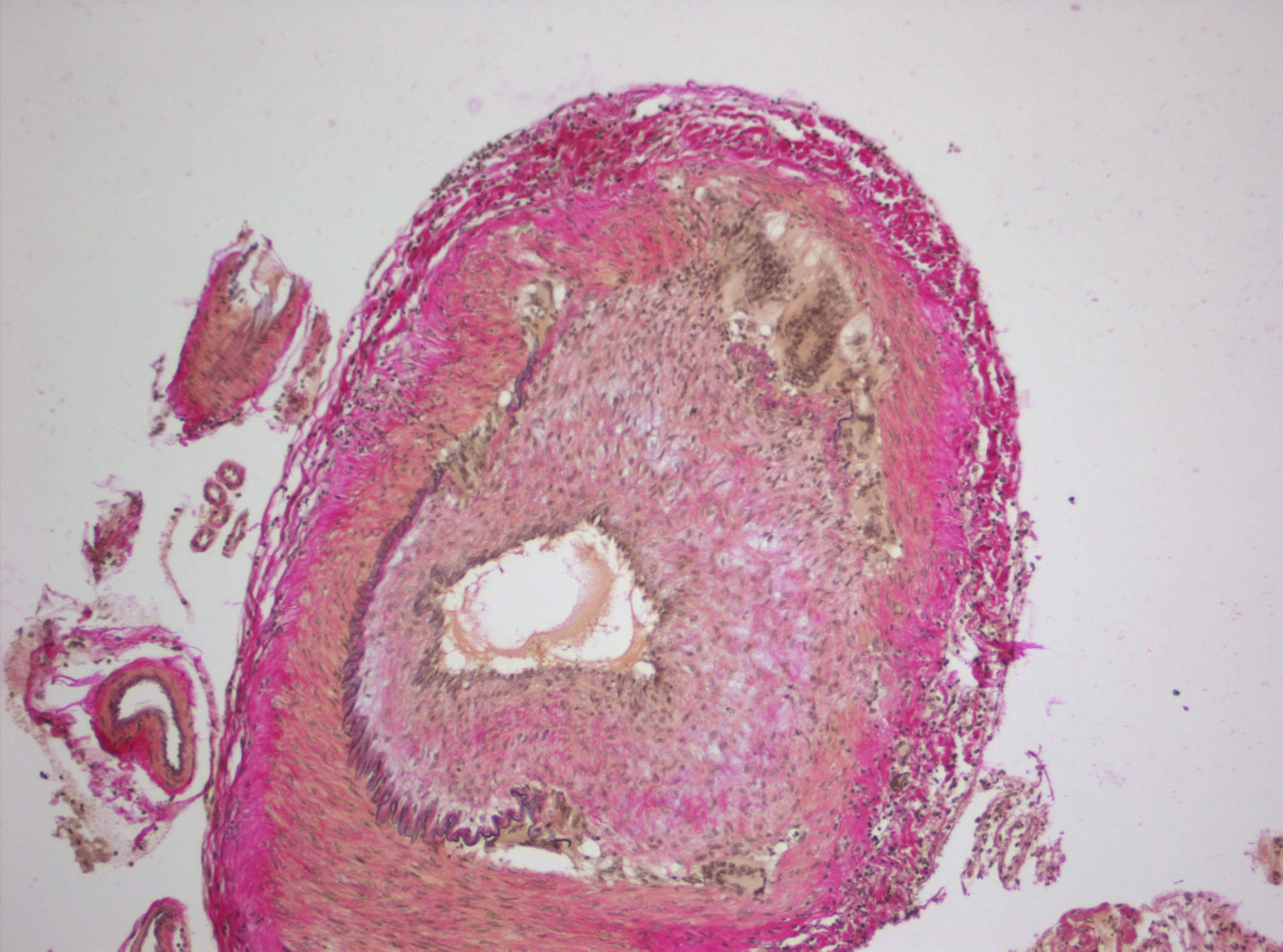
Urinary tract infections (UTIs) are among the most common infectious diseases worldwide and represent a considerable burden for patients and healthcare systems, particularly in the hospital context. While uncomplicated infections can usually be treated reliably with standard antibiotics, complicated urinary tract infections (cUTI) require differentiated diagnostic and therapeutic strategies. The following article highlights the epidemiology, pathophysiology, clinical presentation and current management approaches of cUTI – with a particular focus on high-risk populations, resistance issues and innovative treatment options.
Autoren
- Tanja Schliebe
Publikation
- Nephrologie-Special
Related Topics
You May Also Like
- Why lipoprotein(a) is the biggest therapeutic vacuum in cardiology
Lp(a): The underestimated risk factor before the turning point
- Modern system therapeutics for hidradenitis suppurativa
Immunological dysregulation in the sights of several biologics and “small molecules”
- Perimenopausal depression, PMDS and tokophobia
Psychosomatics and mental health in gynecology
- Proteins in wound healing
Do special amino acids lead to success?
- Plastic surgery and reconstructive microsurgery for DFS
Functional limb preservation between infection control, vascular medicine and resurfacing
- Polycystic ovary syndrome 2025/2026
New pathophysiology, updated diagnostics and the age of incretin mimetics
- Heart failure and type 2 diabetes
Oral semaglutide and cardiac decompensation in type 2 diabetes
- Atopic dermatitis as a door opener for an atopic cascade?