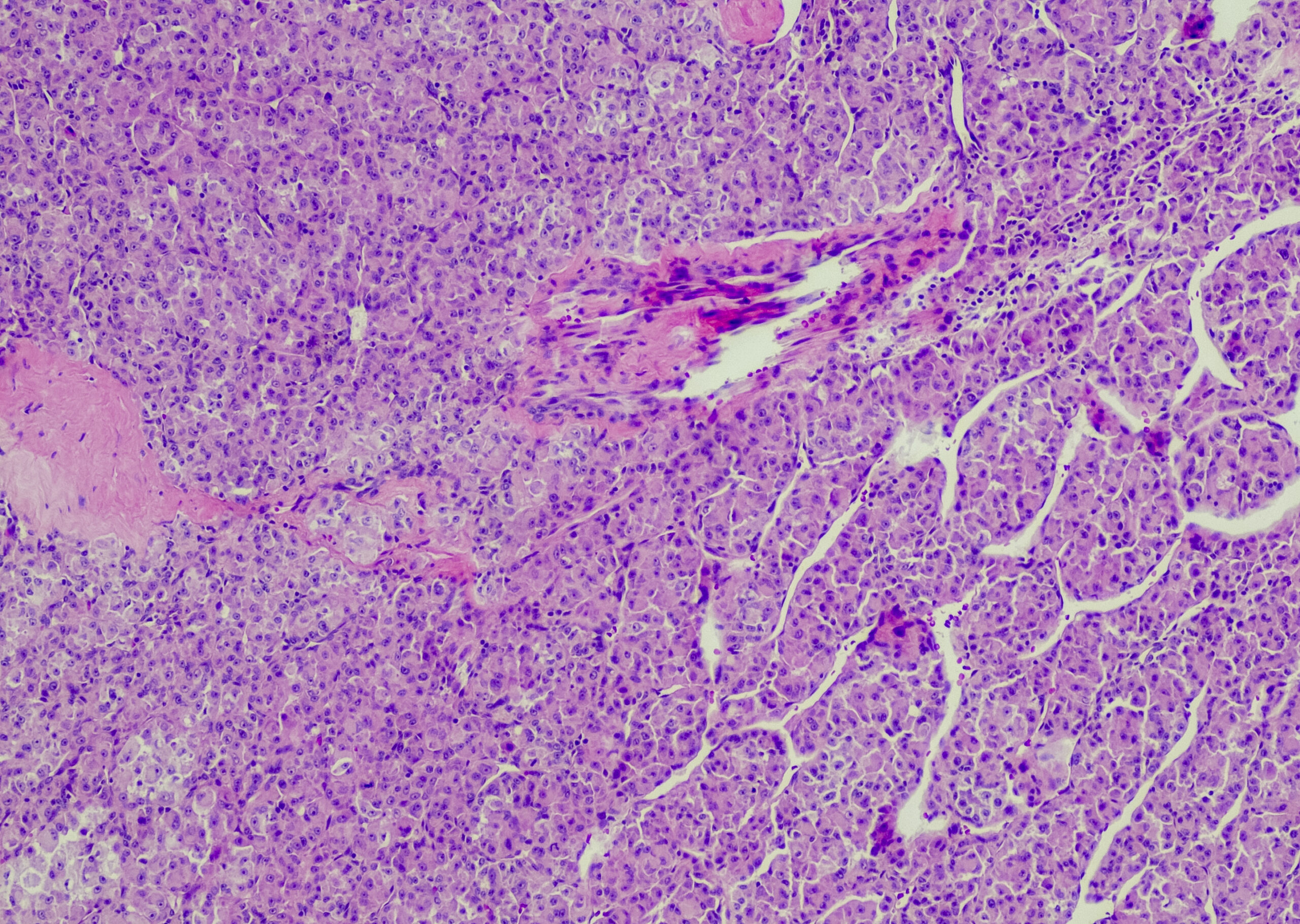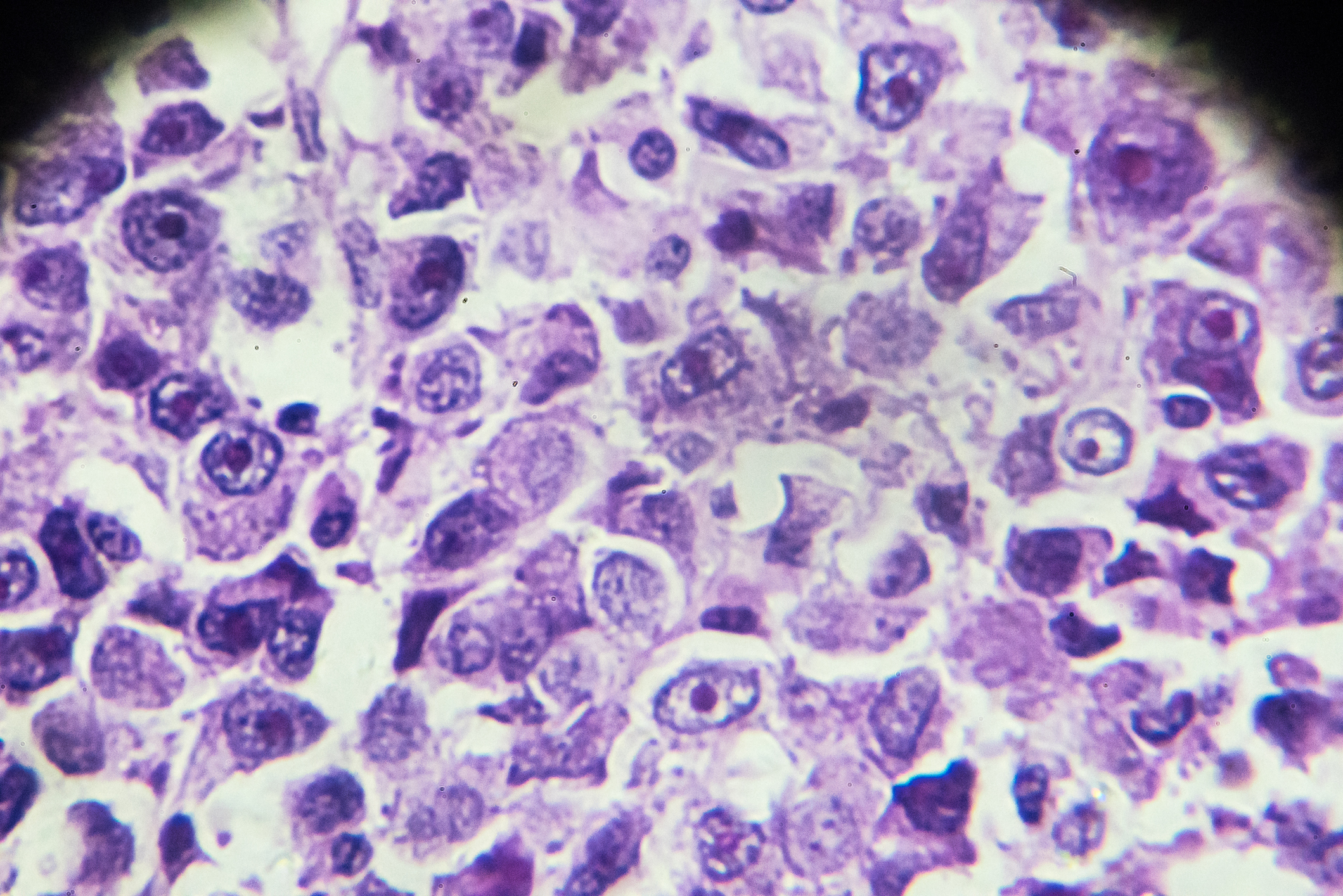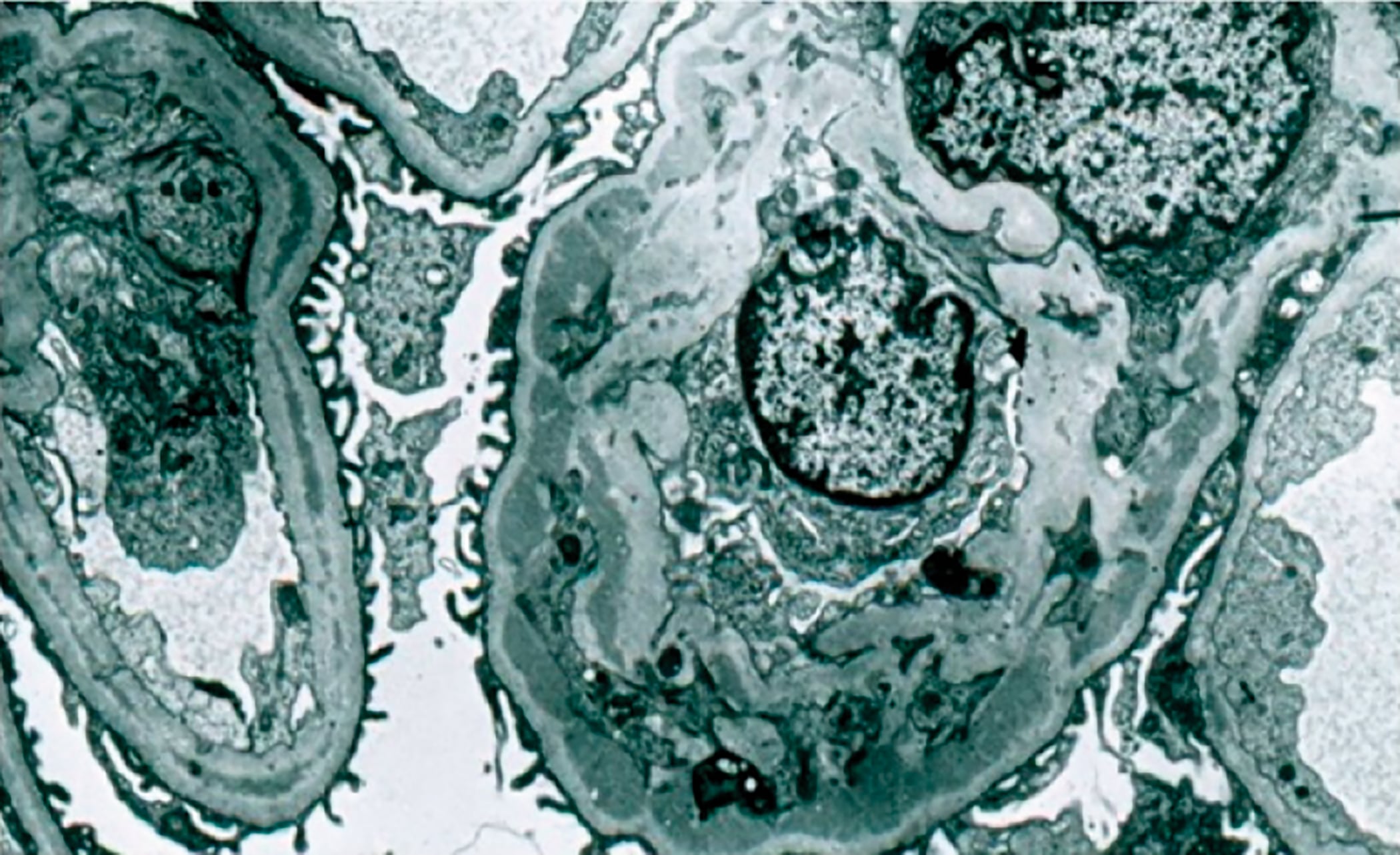
To diagnose C3 glomerulopathy (C3G) and distinguish it from other membranoproliferative glomerulopathies, a kidney biopsy is required in addition to measuring the concentration of the complement protein C3 in the blood. Complement deposits can be identified using electron microscopy and immunofluorescence. Clinical studies have shown that complement inhibitors offer significant therapeutic potential. Iptacopan and pegcetacoplan are particularly noteworthy in this regard—both complement inhibitors received an expanded indication for C3G in Switzerland this year.
Autoren
- Mirjam Peter, M.Sc.
Publikation
- HAUSARZT PRAXIS
Related Topics
You May Also Like
- Endocrinology: APECED-Associated Hypoparathyroidism
A parathyroid hormone analog corrected serum calcium levels
- Transient ischemic attack
Comprehensive diagnostic testing can reduce the risk of stroke
- Malignant Tumors of the Clavicle
Surgical Challenges and Recurrence Patterns
- Chronic hand eczema: common, long-lasting, and distressing
Non-steroidal anti-inflammatory treatment options are essential for long-term management
- Alcohol Consumption While Taking Semaglutide
Withdrawal Symptoms Thanks to GLP-1 RA?
- Non-anginal chest pain: Could it be a heart attack?
From Triage to Secondary Prevention—A Recent Update
- Malignant oral squamous cell carcinomas (OPSCC/HNSCC)
Innovative Treatment Options
- Acne vulgaris: Topical and Systemic Treatment Options