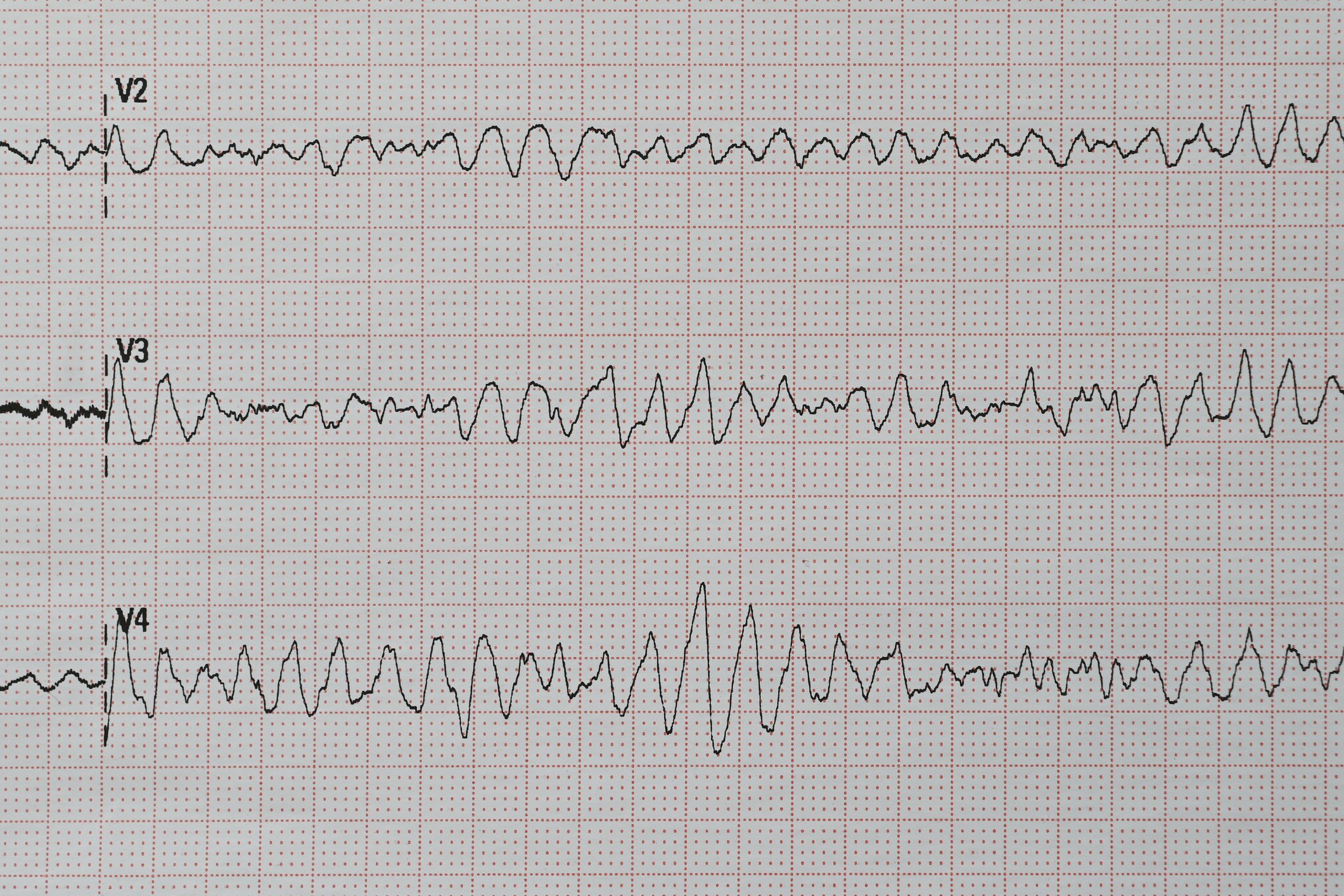
The previously used “ABC” scheme was replaced by the more comprehensive “CARE” approach in the ESC guideline published in 2024. Drug therapy for atrial fibrillation is primarily aimed at preventing strokes and achieving the best possible symptom control. To this end, oral anticoagulation and rhythm and/or rate control are recommended. Catheter ablation can be highly effective, but is only one part of a holistic concept, for the implementation of which interdisciplinary cooperation is essential. The German S3 guideline published in 2025 also offers practical recommendations in this regard.
Autoren
- Mirjam Peter, M.Sc.
Publikation
- HAUSARZT PRAXIS

Related Topics
You May Also Like
- Ataxias
Friedreich’s ataxia: when the energy metabolism attacks the nervous system
- Risk of osteoporosis in autoimmune liver diseases
Always determine bone density in PBC, PSC and AIH
- Case report: Complication after type 2 diabetes
Topical corticosteroids lead to ketoacidosis
- NSCLC
Bispecific antibodies for rare EGFR mutations
- Type 2 diabetes - glycemic control and prevention of secondary diseases
Utilizing pleiotropic cardio- and nephroprotective effects of SGLT-2-i and GLP-1-RA
- Subsyndromal anxiety disorders: Family doctor as first point of contact
Practical recommendations for diagnostics and therapy
- Patient-centered rounds in medicine
Aligning care with the patient
- Restless legs syndrome in children