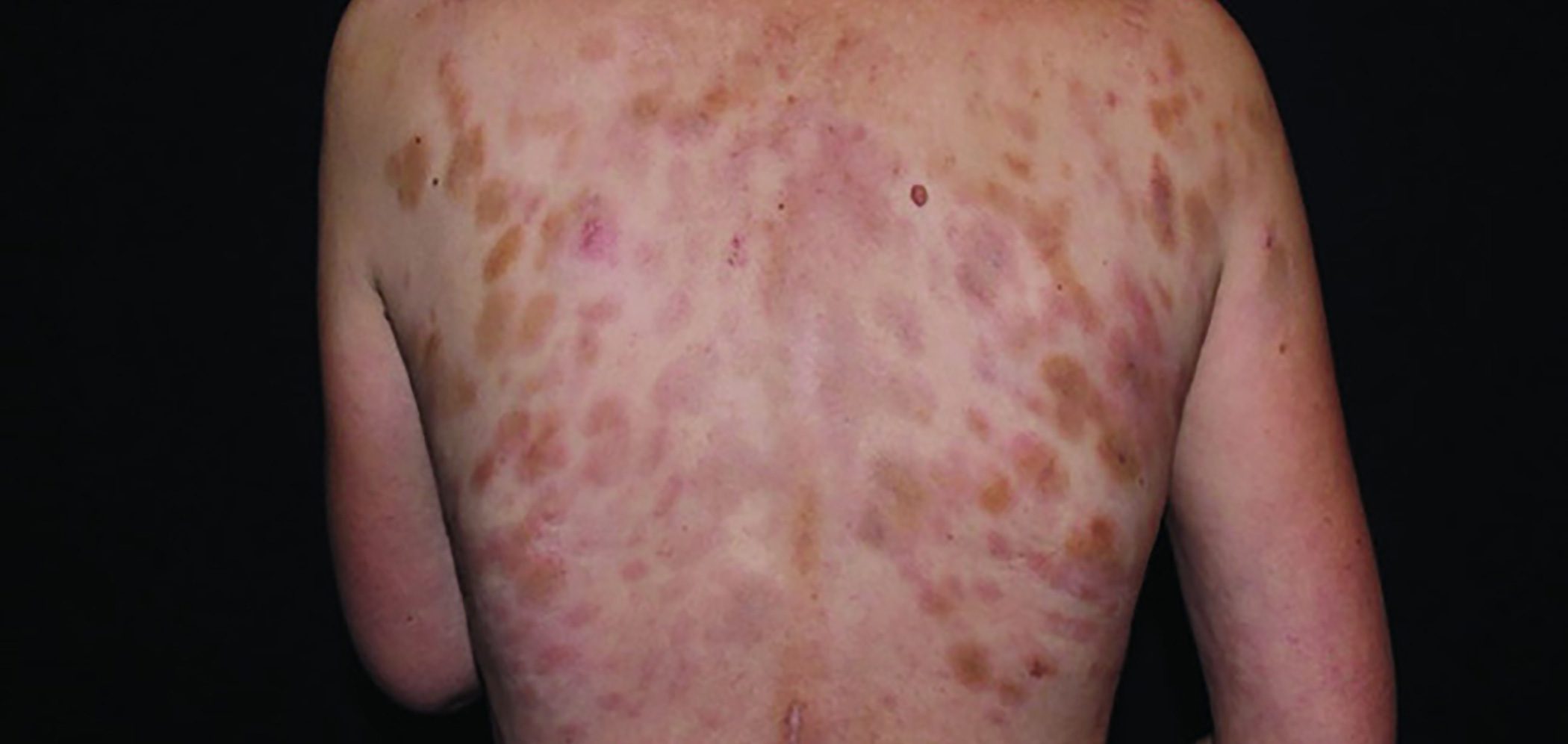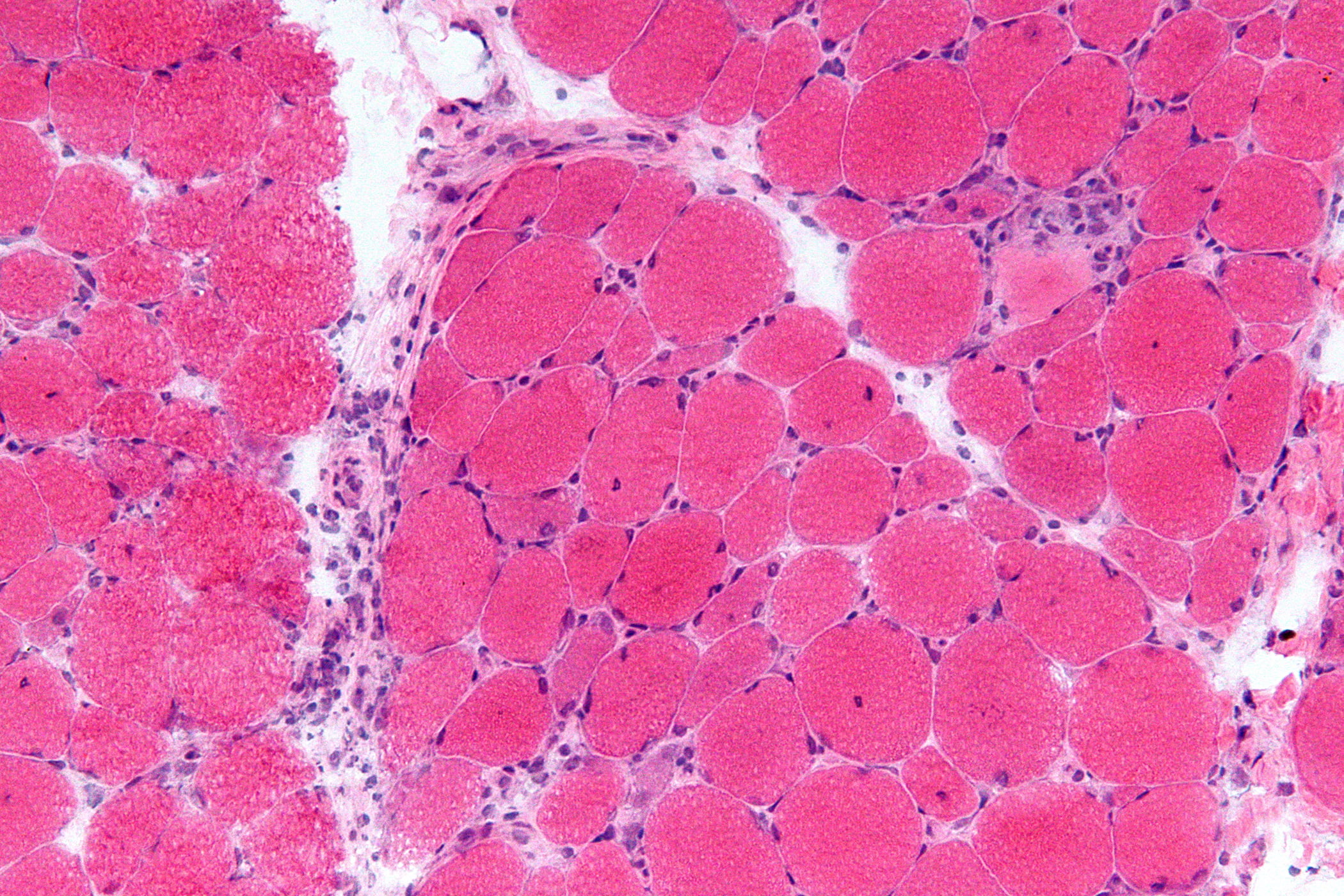
Paroxysmal nocturnal haemoglobinuria (PNH) is a rare, acquired disease of haematopoietic stem cells of the bone marrow. GPI deficiency results in the absence of complement-regulating proteins. Thromboembolic complications are the most clinically relevant complication and are the main cause of increased morbidity and mortality. Inhibition of the terminal complement system is a targeted therapeutic strategy. Eculizumab and crovalimab bind the complement factor C5 and have proven to be effective and safe treatment options.
Autoren
- Mirjam Peter, M.Sc.
Publikation
- HAUSARZT PRAXIS

Related Topics
You May Also Like
- Current evidence, risk classes and new counseling options
Hormonal contraception and cardiovascular risk
- Acute otitis media: self-limiting course vs. "red flags"
In which cases are antibiotics necessary?
- Prurigo nodularis: evidence-based treatment
Targeted therapy options on the rise
- MACE risk, heart failure incidence and all-cause mortality
Metabolic syndrome as a cardiovascular risk factor
- Glaucoma in old age: slowing down progression
IOP lowering is currently the only evidence-based treatment
- Vector-borne infections with skin manifestations
Arboviruses and leishmaniasis in Europe
- Multimorbidity and functional capacity in old age
Clarify individual health status and reduce risks
- Tick season: danger from early summer meningoencephalitis