Medizinonline Medizinonline
  • News
    • News
    • Market & Medicine
  • Patients
    • Disease patterns
    • Diagnostics
    • Therapy
  • Partner Content
    • Diabetes
      • Dia-Month Club – Type 2 Diabetes
      • Diabetes in Motion
      • Diabetes Podcasts
    • Gastroenterology
      • IBD matters
    • Oncology
      • Swiss Oncology in motion
    • Orthopedics
      • Osteoporosis in motion
  • Departments
    • Allergology and clinical immunology
    • General Internal Medicine
    • Anesthesiology
    • Angiology
    • Surgery
    • Dermatology and venereology
    • Endocrinology and Diabetology
    • Nutrition
    • Gastroenterology and Hepatology
    • Genetics
    • Geriatrics
    • Gynecology
    • Hematology
    • Infectiology
    • Cardiology
    • Nephrology
    • Neurology
    • Emergency and intensive care medicine
    • Nuclear Medicine
    • Oncology
    • Ophthalmology
    • ORL
    • Orthopedics
    • Pediatrics
    • Pharmacology and toxicology
    • Pharmaceutical medicine
    • Phlebology
    • Physical medicine and rehabilitation
    • Pneumology
    • Prevention and health care
    • Psychiatry and psychotherapy
    • Radiology
    • Forensic Medicine
    • Rheumatology
    • Sports Medicine
    • Traumatology and trauma surgery
    • Tropical and travel medicine
    • Urology
    • Dentistry
  • CME & Congresses
    • CME continuing education
    • Congress Reports
    • Congress calendar
  • Practice
    • Noctimed
    • Practice Management
    • Jobs
    • Interviews
  • Log In
  • Register
  • My account
  • Contact
  • Publications
  • Contact
  • Deutsch
  • English
  • Français
  • Italiano
  • Português
  • Español
Subscribe
Medizinonline Medizinonline
  • News
    • News
    • Market & Medicine
  • Patienten
    • Krankheitsbilder
    • Diagnostik
    • Therapie
  • Partner Content
    • Diabetes
      • Dia-Month Club – Type 2 Diabetes
      • Diabetes in Motion
      • Diabetes Podcasts
    • Gastroenterology
      • IBD matters
    • Oncology
      • Swiss Oncology in motion
    • Orthopedics
      • Osteoporosis in motion
    • Phytotherapie
    • Rheumatology
  • Departments
    • Fachbereiche 1-13
      • Allergology and clinical immunology
      • General Internal Medicine
      • Anesthesiology
      • Angiology
      • Surgery
      • Dermatology and venereology
      • Endocrinology and Diabetology
      • Nutrition
      • Gastroenterology and Hepatology
      • Genetics
      • Geriatrics
      • Gynecology
      • Hematology
    • Fachbereiche 14-26
      • Infectiology
      • Cardiology
      • Nephrology
      • Neurology
      • Emergency and intensive care medicine
      • Nuclear Medicine
      • Oncology
      • Ophthalmology
      • ORL
      • Orthopedics
      • Pediatrics
      • Pharmacology and toxicology
      • Pharmaceutical medicine
    • Fachbereiche 26-38
      • Phlebology
      • Physical medicine and rehabilitation
      • Phytotherapy
      • Pneumology
      • Prevention and health care
      • Psychiatry and psychotherapy
      • Radiology
      • Forensic Medicine
      • Rheumatology
      • Sports Medicine
      • Traumatology and trauma surgery
      • Tropical and travel medicine
      • Urology
      • Dentistry
  • CME & Congresses
    • CME continuing education
    • Congress Reports
    • Congress calendar
  • Practice
    • Noctimed
    • Practice Management
    • Jobs
    • Interviews
Login

Sie haben noch keinen Account? Registrieren

  • Teeth and sport

Why you should take care of your teeth, especially as an athlete

    • Dentistry
    • News
    • Nutrition
    • ORL
    • Orthopedics
    • Physical medicine and rehabilitation
    • Prevention and health care
    • RX
    • Sports Medicine
  • 4 minute read

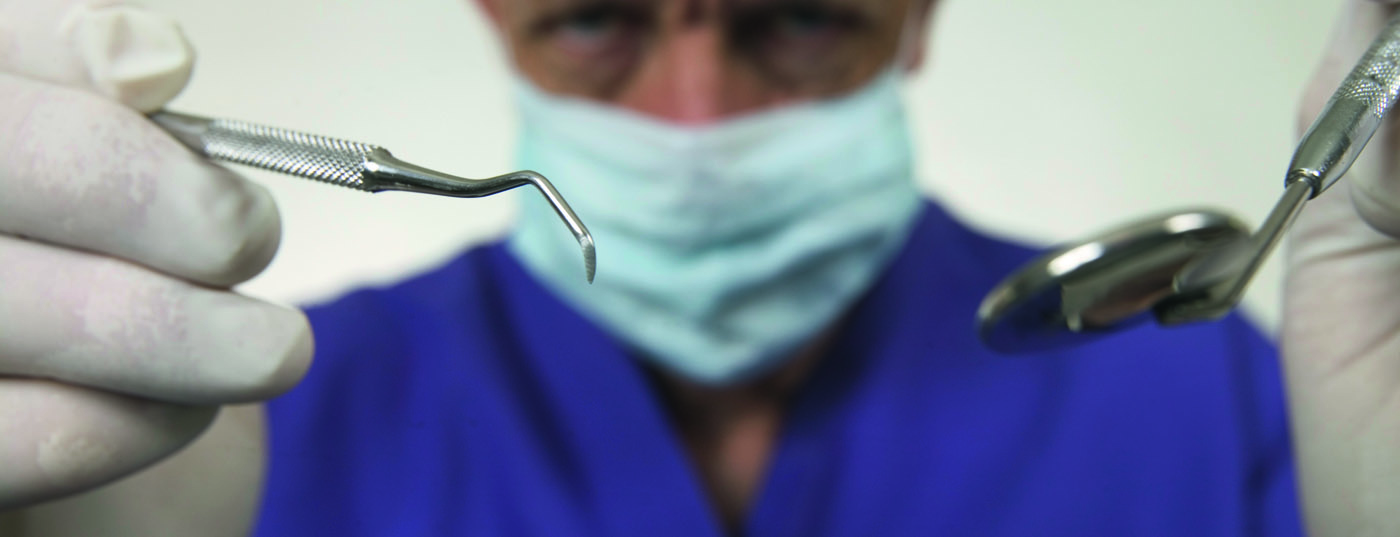
In sports medicine, as in medicine in general, teeth are often treated stepmotherly, although in a person like the athlete, who wants to push his organism to peak performance, damage to the dentition can often be associated with quite unfavorable phenomena.

Various examples and studies from the sports world have clearly shown that the dental health of athletes is not always as good as it should be, and dental care is often forgotten or neglected. For example, the statistics of polyclinic visits on the occasion of the last Summer Olympics show a steady upward trend.

However, the health of the teeth and periodontium is closely related to physical performance. Disorders such as chronic inflammatory processes and reduced chewing ability very often affect the ability to train and compete. It must never be forgotten that eating and even breathing are directly dependent on a functional set of teeth.

Endangered teeth

Accidents involving teeth are a first side of the problem with dentition. Martial arts, stick sports or contact sports cause the dentition to be at risk – in surveys, up to 50% of athletes in these disciplines give a positive answer when asked about dental trauma. Dental trauma can be a simple contusion, but also a fracture to complete loss of the organ. Depending on the severity of the trauma, there may be some discomfort later on, and the therapies that are then necessary are long, difficult and, not least, costly.

Weakening due to infection

A very common clinical picture is caries, in the course of which many factors lead to demineralization and progressive destruction of the tooth neck substances, which ultimately results in the loss of the tooth.

These changes can be the cause of infections in the mouth area – infections that do not always have to be painful and are thus often overlooked. However, inflammatory messengers are released, which are supposed to fight the inflammation via the immune system. As with the flu, the body is therefore weakened, which may well result in reduced performance in athletes. The pathogens that cause inflammation also naturally enter the bloodstream from the diseased tooth and gum and are transported to all regions of the body. The consequences can be inflammation and strains of the muscles and their tendons, as well as joint pain. From neural therapy, an alternative form of medicine, it is learned that 80% of harmful substances (focal toxins) originate from the teeth, sinuses and tonsils. As already mentioned, when the immune system is in good shape, this is hardly a noticeable problem, but as soon as the immune system is lowered, which in competitive sports is not infrequently the result of stress, these stray lesions can suddenly become of greater importance. Actually, the overall effects of such scattering herbs are frightening, they can trigger kidney and heart muscle diseases, cause disorders in the metabolic field, even provoke changes in the coagulation system. What a bad dental status can cause! So at the latest with recurrent muscle strains think of the teeth.

Unfortunately, one has to realize again and again that this knowledge about possible connections between dental diseases and performance is incomplete. It must be noted at this point, however, that the explanation of this mutual influence is also not always easy and clear research results are relatively rare.

Other factors

A high stress for the dentition in connection with sports are also other factors such as the eager use of acidic drinks, which favor tooth substance losses (erosions). Many of the liquid substitutes offered have a pH below the critical threshold of 5. In sports that place great emphasis on aesthetics and where performers adopt unhealthy eating habits, such erosive tooth damage – caused by gastric acid changes – can also occur. Conversely, the discovery of such dental changes may, in a sense, be the first sign of an eating disorder – the so-called “female athletic triad.”

The natural way a dentition develops over time also plays a role in explaining disorders. Unerupted wisdom teeth can be considered a time bomb, on the one hand as a hazard due to fragilization of the mandible (increased risk of fracture), and on the other hand due to the increased risk of inflammation.

What to do?

These remarks show how significant is the interplay between teeth and health, and therefore digestion, well-being and vitality. In any case, much more significant than often admitted! It is therefore essential that the dental care of the trainees is given just as much attention as the musculoskeletal system, which is so prominent in sports. The sports doctor should not treat the dentition superficially during sports medical examinations, as is so often the case, but should examine the oral cavity in exactly the same way as a joint (hard and soft palate, floor of the mouth, tongue, teeth for number, defects, fillings and discolorations, gums, etc.). In addition, an annual dental check-up can only be highly recommended to the athlete.

HAUSARZT PRAXIS 2015; 10(3): 2
Autoren
  • Dr. med. Peter Jenoure
Publikation
  • HAUSARZT PRAXIS
Related Topics
  • Denture
  • Erosion
  • Neural therapy
  • Purchasing Ability
  • Teeth
  • Tooth
  • Tooth neck substance
Previous Article
  • Pulmonary emphysema

When is interventional therapy indicated?

  • Education
  • General Internal Medicine
  • Pneumology
  • RX
View Post
Next Article
  • Malignant hematological diseases

One tablet – no chemotherapy

  • Congress Reports
  • Hematology
  • Oncology
  • RX
  • Studies
View Post
You May Also Like
View Post
  • 8 min
  • Psychooncology

Communication as the key to therapy adherence

    • RX
    • CME continuing education
    • General Internal Medicine
    • Practice Management
View Post
  • 9 min
  • Cardiology

Minimally invasive – the quiet triumph of modern heart surgery

    • RX
    • Cardiology
    • CME continuing education
    • Studies
    • Surgery
View Post
  • 6 min
  • Schizophrenia in the early-onset stage

Which antipsychotic should be used for treatment-naive patients?

    • RX
    • Education
    • Pharmacology and toxicology
    • Psychiatry and psychotherapy
    • Studies
View Post
  • 4 min
  • Diarrhea in children

The problem of parental expectations

    • RX
    • Education
    • Gastroenterology and Hepatology
    • General Internal Medicine
    • Infectiology
    • Pediatrics
    • Studies
View Post
  • 4 min
  • From symptom to diagnosis

Multilocular cystic renal cell carcinoma (MCRCC)

    • RX
    • Cases
    • Education
    • Nephrology
    • Oncology
    • Radiology
    • Studies
    • Surgery
View Post
  • 3 min
  • Shaping the Future with LLM & Co.

AI in Everyday Clinical Practice: Friend or Foe?

    • RX
    • General Internal Medicine
    • Practice Management
    • Prevention and health care
View Post
  • 5 min
  • Ulcerative colitis: current evidence on anti-inflammatory therapies

Remission induction and maintenance with biologics and JAK-i

    • RX
    • Congress Reports
    • Gastroenterology and Hepatology
    • General Internal Medicine
    • Studies
View Post
  • 4 min
  • Bronchiectasis

New strategies against neutrophilic inflammation

    • RX
    • Congress Reports
    • General Internal Medicine
    • Infectiology
    • Pneumology
    • Studies
  • IBD matters

    Zum Thema
Top CME content
  • 1
    Current State of Knowledge and New Therapeutic Approaches
  • 2
    Why is it so hard to lose weight?
  • 3
    Functional limb preservation between infection control, vascular medicine and resurfacing
  • 4
    Algorithms, avatars and the unburdened mind
  • 5
    Communication as the key to therapy adherence

Newsletter

Sign up and stay up to date

Subscribe
Medizinonline Medizinonline
  • Contact
  • General terms and conditions
  • Imprint

Input your search keywords and press Enter.