Medizinonline Medizinonline
  • News
    • News
    • Market & Medicine
  • Patients
    • Disease patterns
    • Diagnostics
    • Therapy
  • Partner Content
    • Diabetes
      • Dia-Month Club – Type 2 Diabetes
      • Diabetes in Motion
      • Diabetes Podcasts
    • Gastroenterology
      • IBD matters
    • Oncology
      • Swiss Oncology in motion
    • Orthopedics
      • Osteoporosis in motion
  • Departments
    • Allergology and clinical immunology
    • General Internal Medicine
    • Anesthesiology
    • Angiology
    • Surgery
    • Dermatology and venereology
    • Endocrinology and Diabetology
    • Nutrition
    • Gastroenterology and Hepatology
    • Genetics
    • Geriatrics
    • Gynecology
    • Hematology
    • Infectiology
    • Cardiology
    • Nephrology
    • Neurology
    • Emergency and intensive care medicine
    • Nuclear Medicine
    • Oncology
    • Ophthalmology
    • ORL
    • Orthopedics
    • Pediatrics
    • Pharmacology and toxicology
    • Pharmaceutical medicine
    • Phlebology
    • Physical medicine and rehabilitation
    • Pneumology
    • Prevention and health care
    • Psychiatry and psychotherapy
    • Radiology
    • Forensic Medicine
    • Rheumatology
    • Sports Medicine
    • Traumatology and trauma surgery
    • Tropical and travel medicine
    • Urology
    • Dentistry
  • CME & Congresses
    • CME continuing education
    • Congress Reports
    • Congress calendar
  • Practice
    • Noctimed
    • Practice Management
    • Jobs
    • Interviews
  • Log In
  • Register
  • My account
  • Contact
  • Publications
  • Contact
  • Deutsch
  • English
  • Français
  • Italiano
  • Português
  • Español
Subscribe
Medizinonline Medizinonline
  • News
    • News
    • Market & Medicine
  • Patienten
    • Krankheitsbilder
    • Diagnostik
    • Therapie
  • Partner Content
    • Diabetes
      • Dia-Month Club – Type 2 Diabetes
      • Diabetes in Motion
      • Diabetes Podcasts
    • Gastroenterology
      • IBD matters
    • Oncology
      • Swiss Oncology in motion
    • Orthopedics
      • Osteoporosis in motion
    • Phytotherapie
    • Rheumatology
  • Departments
    • Fachbereiche 1-13
      • Allergology and clinical immunology
      • General Internal Medicine
      • Anesthesiology
      • Angiology
      • Surgery
      • Dermatology and venereology
      • Endocrinology and Diabetology
      • Nutrition
      • Gastroenterology and Hepatology
      • Genetics
      • Geriatrics
      • Gynecology
      • Hematology
    • Fachbereiche 14-26
      • Infectiology
      • Cardiology
      • Nephrology
      • Neurology
      • Emergency and intensive care medicine
      • Nuclear Medicine
      • Oncology
      • Ophthalmology
      • ORL
      • Orthopedics
      • Pediatrics
      • Pharmacology and toxicology
      • Pharmaceutical medicine
    • Fachbereiche 26-38
      • Phlebology
      • Physical medicine and rehabilitation
      • Phytotherapy
      • Pneumology
      • Prevention and health care
      • Psychiatry and psychotherapy
      • Radiology
      • Forensic Medicine
      • Rheumatology
      • Sports Medicine
      • Traumatology and trauma surgery
      • Tropical and travel medicine
      • Urology
      • Dentistry
  • CME & Congresses
    • CME continuing education
    • Congress Reports
    • Congress calendar
  • Practice
    • Noctimed
    • Practice Management
    • Jobs
    • Interviews
Login

Sie haben noch keinen Account? Registrieren

  • Treat psoriasis in practice

With plaster against psoriasis plaques

    • Allergology and clinical immunology
    • Congress Reports
    • Dermatology and venereology
    • Infectiology
    • RX
  • 2 minute read

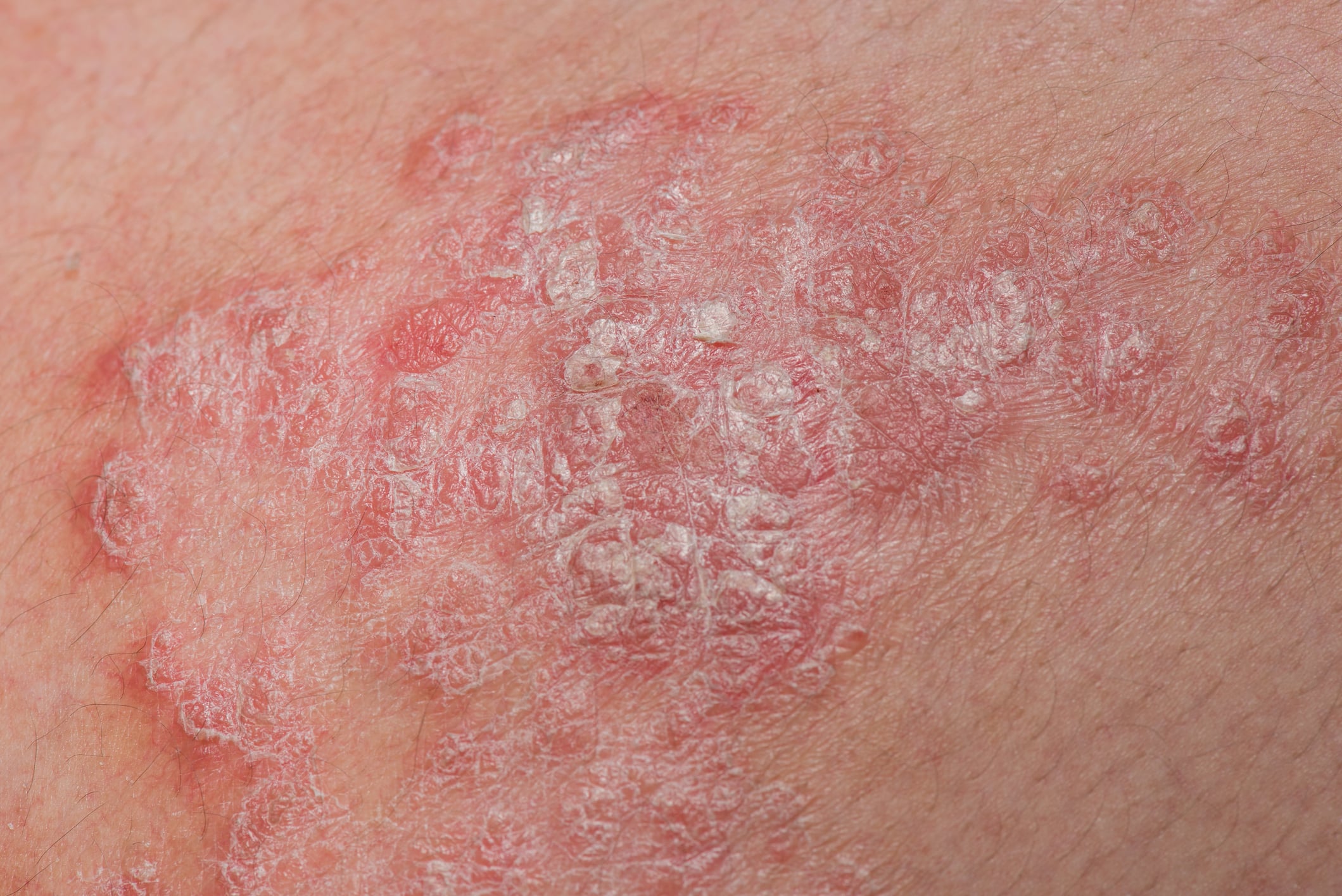
Topical steroids are the drugs of choice for milder forms of psoriasis. In addition to conventional creams, patches containing active ingredients are also available for treatment. An important advantage of occlusive patches is improved moistening of predilection sites.

About 80% of the 150,000 psoriasis sufferers in Switzerland suffer from a mild, localized form of psoriasis called plaque psoriasis. Treatment is with various topical agents, foremost among which are topical corticosteroids (Class III-IV). “These are used as sole therapy or in combination with the vitamin D3 analog calcipotriol,” explained Prof. Ralph Trüeb, MD, Dermatology Practice and Hair Center, Wallisellen, at the Internal Medicine Update Refresher at Technopark Zurich in May. Topical steroids are used once daily as monotherapy for small areas of psoriasis. The maximum treatment duration of six weeks should not be exceeded. “For larger areas, the treatment duration should be limited to two weeks because of the risk of adrenocortical suppression,” the specialist recommended.

Elaborate treatment

In addition to the anti-inflammatory and anti-proliferative steroid treatment, retinoids (tazarotene), dithranol (anthralin) and coal tar as well as keratinolytic substances (salicylic acid and urea) are used. The treatment is complex: Some of the substances must be applied several times a day. As a result, skin irritation and discoloration of clothing may occur.

With topical therapies, phototherapy and biologics, effective therapies exist for the different severities of psoriasis. Nevertheless, many sufferers are frustrated with the treatment.

One important reason is the enormous amount of treatment required. “This can have as negative an impact on quality of life as the disease itself,” Prof. Trüeb said. To assess the severity of the disease, the PASI alone is not sufficient, he said. “In addition, the quality of life of those affected must always be assessed using the DLQI (“Dermatology Life Quality Index”),” the specialist said.

BMV-containing plasters

As an alternative to cortisone-containing cream, patches containing bethamethasone valerate (BMV) (Betesil®) can also be used. “These were developed with the goal of simplifying and intensifying psoriasis treatment,” Prof. Trüeb said. The occlusive patches are applied directly to the affected psoriasis lesions and must be renewed at 24 hr intervals.

As shown in an efficacy and safety study, the BMV patch (0.1%) resulted in a 75% reduction in initial PASI (“Psoriasis Area and Severity Index”) score in 38% of sufferers after the four-week treatment period, compared with 11.9% (p=0.011) using conventional treatment with BMV cream (0.12%) [1]. Parameters used to assess single-cell lesions, such as scaling, infiltration, and erythema, improved markedly compared with the cortisone-containing cream. In addition, skin hydration increased significantly under the occlusive patch. “This is important because skin dryness leads to a recurrence of psoriasis more quickly,” Prof. Trüeb said. Good hydration is therefore an essential therapeutic element of the occlusive patch.

Both therapies, the BMV patch and the cream, were well tolerated by the affected individuals. None of the subjects showed signs of suppression of the hypothalamic-pituitary-adrenocortical axis.

“Successfully Treating Psoriasis in Practice,” Satellite Symposium IBSA Institut Biochimique SA at the Forum for Continuing Medical Education, May 10, 2014, Zurich.

Literature:

  1. Pacifico A, Daidone R, Peris K: J Eur Acad Dermatol Venereol 2006 Feb; 20(2): 153-157.

DERMATOLOGIE PRAXIS 2014; 24(3): 40-41

Autoren
  • Regina Scharf
Publikation
  • DERMATOLOGIE PRAXIS
Related Topics
  • Adrenal cortex
  • DLQI
  • occlusive patches
  • PASI
  • Plaster
  • Psoriasis
  • Psoriasis
  • Topical steroids
Previous Article
  • 2nd EORTC St. Gallen Gastrointestinal Cancer Conference 2014

VEGF inhibition in metastatic colorectal cancer.

  • Congress Reports
  • Gastroenterology and Hepatology
  • Oncology
  • RX
View Post
Next Article
  • Chronic wounds

Better sheets, smart beds and innovations from veterinary medicine

  • Congress Reports
  • Dermatology and venereology
  • RX
View Post
You May Also Like
View Post
  • 6 min
  • Secondary prevention after ACS: individually optimized lipid management

Trend towards early combination therapy and new strategies for lowering Lp(a)

    • RX
    • Cardiology
    • Congress Reports
    • General Internal Medicine
    • Studies
View Post
  • 27 min
  • Pediatric Brain Tumors

Psychiatry versus Neuro-Oncology: Diagnostic Pitfalls

    • RX
    • CME continuing education
    • Neurology
    • Oncology
    • Pediatrics
    • Psychiatry and psychotherapy
    • Studies
View Post
  • 13 min
  • What the latest studies on the entire EF spectrum mean for clinical practice

Heart Failure – The 2026 Evidence Update

    • RX
    • Cardiology
    • Education
    • Endocrinology and Diabetology
    • Studies
View Post
  • 5 min
  • Acute ischemic stroke

Alteplase and Tenecteplase Are on the Same Level

    • RX
    • Education
    • Emergency and intensive care medicine
    • Neurology
    • Pharmacology and toxicology
    • Studies
View Post
  • 5 min
  • CKD in People with Type 2 Diabetes: Evidence-Based, Optimized Treatment

SGLT-2 inhibitors and GLP-1 receptor agonists: significant improvement in renal outcomes

    • RX
    • Education
    • Endocrinology and Diabetology
    • General Internal Medicine
    • Nephrology
    • Studies
View Post
  • 2 min
  • Wearables: screening via smartwatch?

New study on atrial fibrillation in high-risk patients

    • RX
    • Cardiology
    • Practice Management
    • Prevention and health care
    • Studies
View Post
  • 13 min
  • Planning a Family, Pregnancy, and Breastfeeding

Update on Anti-Rheumatic Medications

    • RX
    • CME continuing education
    • General Internal Medicine
    • Gynecology
    • Pharmacology and toxicology
    • Rheumatology
    • Studies
View Post
  • 11 min
  • Peristomal skin health

Focus on preventive care options

    • RX
    • Cases
    • CME continuing education
    • Dermatology and venereology
    • Gastroenterology and Hepatology
    • Infectiology
    • Physical medicine and rehabilitation
    • Prevention and health care
    • Surgery
Landingpage Fachinfo Landingpage Button
  • IBD matters

    Zum Thema
Top CME content
  • 1
    Update on Anti-Rheumatic Medications
  • 2
    Psychiatry versus Neuro-Oncology: Diagnostic Pitfalls
  • 3
    Focus on preventive care options
  • 4
    Inflammation as a Treatment Goal in Its Own Right
  • 5
    Personalized Treatment Before a Planned Pregnancy

Newsletter

Sign up and stay up to date

Subscribe
Medizinonline Medizinonline
  • Contact
  • General terms and conditions
  • Imprint

Input your search keywords and press Enter.