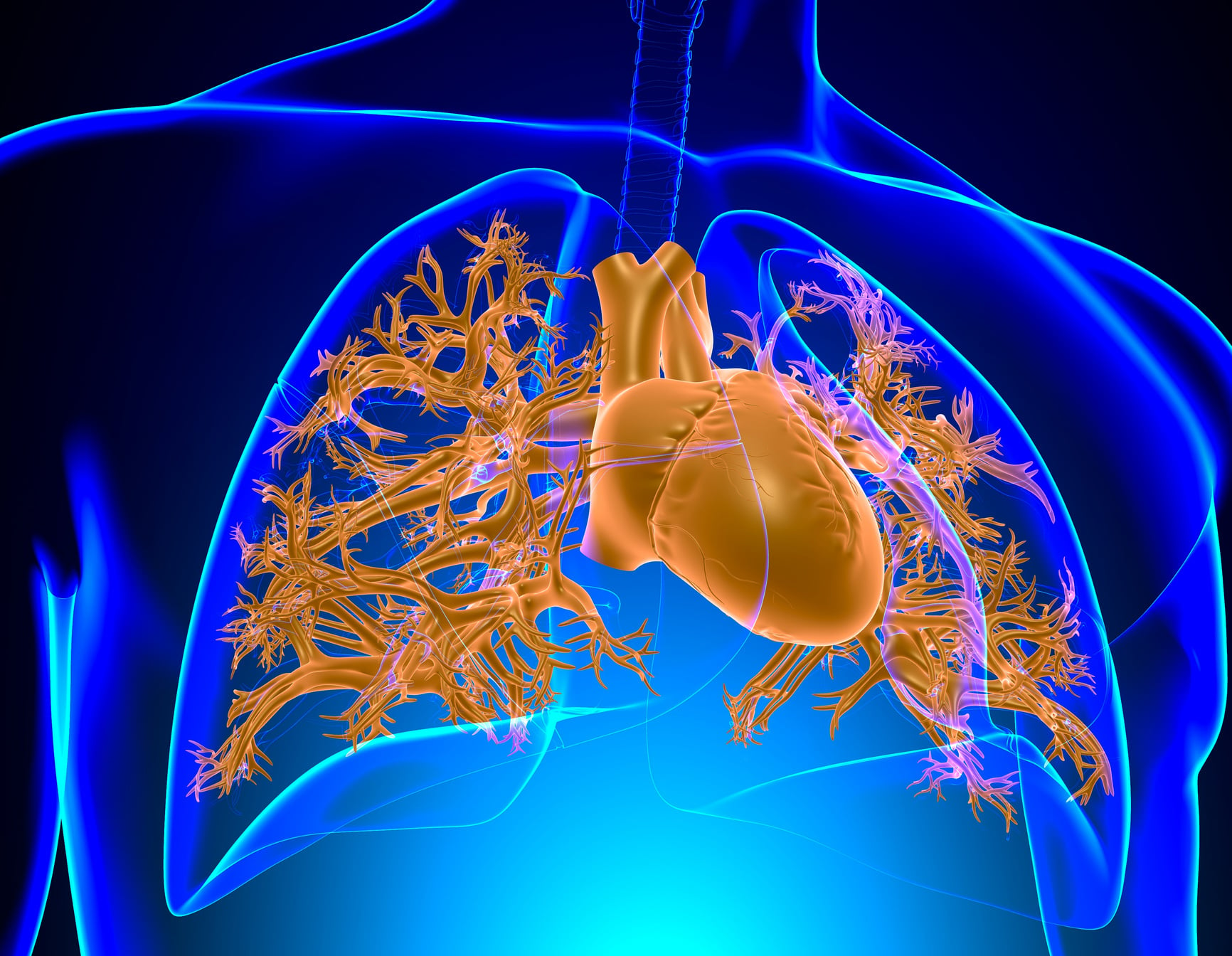
Pulmonary arterial hypertension (PAH) is hemodynamically defined by elevated pressure in the pulmonary vascular circulation. It was long considered a “model disease” because it often affected young women with no relevant preexisting conditions. However, many patients today are older at the time of diagnosis, have concomitant cardiovascular diseases, or exhibit a cardiopulmonary phenotype characterized by impaired diffusion capacity and a history of smoking.
Autoren
- Jens Dehn
Publikation
- InFo PNEUMOLOGIE & ALLERGOLOGIE

Related Topics
You May Also Like
- Eosinophils in the Blood in COPD
How many measurements are needed to be sure?
- From symptom to diagnosis
Abdominal Pain – Von Meyenburg Complexes of the Liver
- Multiple sclerosis
Physical and psychosocial fatigue have the greatest impact on HRQoL
- Congenital Vascular Malformations
Personalized Treatment Before a Planned Pregnancy
- Hyperhidrosis: Keep a Cool Head
An Overview of Important Treatment Options
- This article was sponsored by Johnson & Johnson.
Give your patients a chance to live longer without progression with TECVAYLI® + DARZALEX® compared to DPd/DVd1
- Sjögren's Syndrome in Early Childhood
Children often develop lymphomas
- 2026 Vaccination Schedule: Important Changes