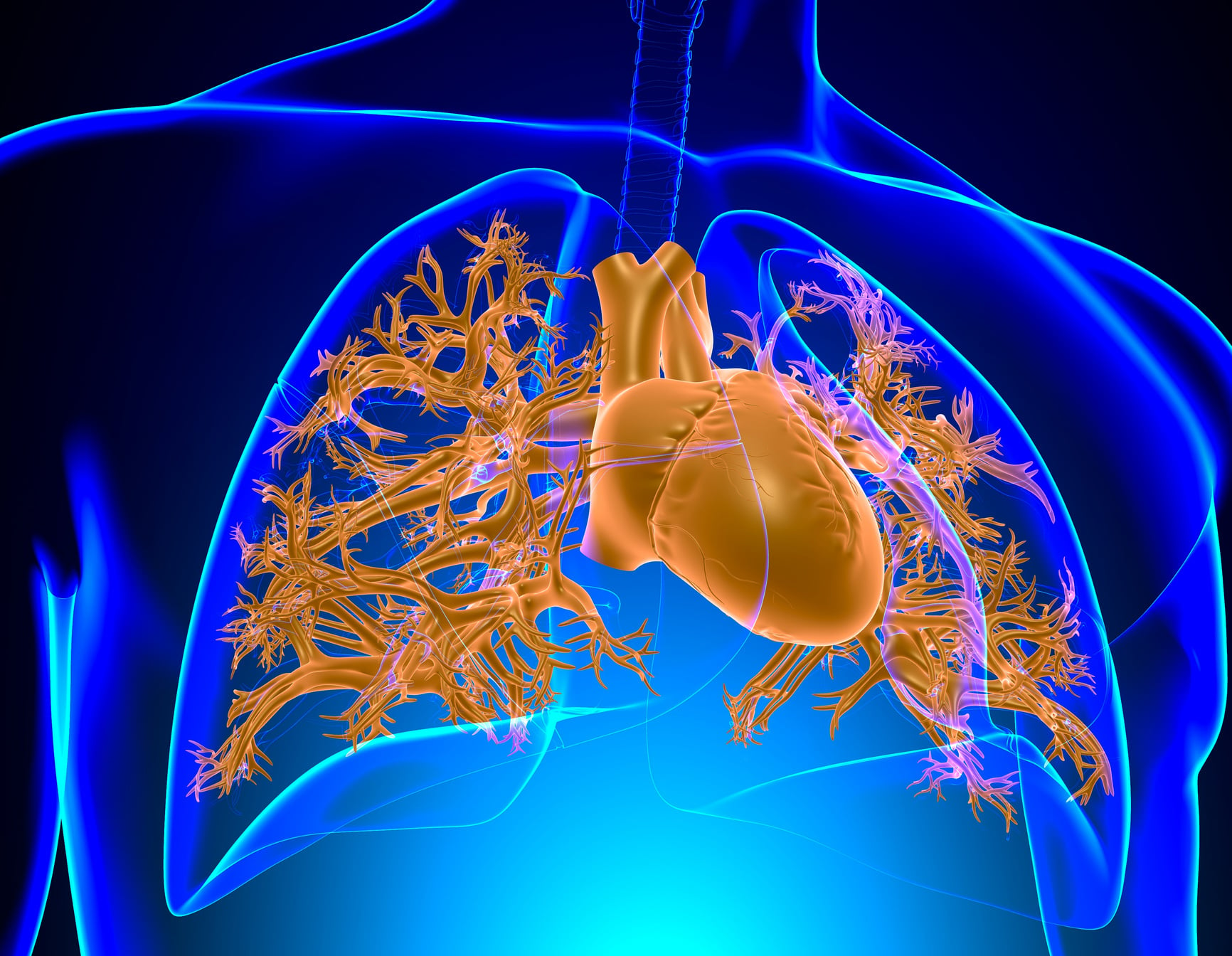
Pulmonary arterial hypertension (PAH) is hemodynamically defined by elevated pressure in the pulmonary vascular circulation. It was long considered a “model disease” because it often affected young women with no relevant preexisting conditions. However, many patients today are older at the time of diagnosis, have concomitant cardiovascular diseases, or exhibit a cardiopulmonary phenotype characterized by impaired diffusion capacity and a history of smoking.
Autoren
- Jens Dehn
Publikation
- InFo PNEUMOLOGIE & ALLERGOLOGIE

Related Topics
You May Also Like
- Psychiatric Self-Diagnoses
When ADHD and Autism Suddenly Become “Trendy”
- Xerosis cutis in Older Adults
Emollients with humectants such as urea or glycerin: clinical evidence
- Casuistry
Chronic eosinophilic pneumonia in RA
- Case Study: Secondary Pseudohypoaldosteronism
Severe electrolyte imbalances and nonspecific symptoms in an infant
- CKD and High Blood Pressure
Keeping an Eye on Bidirectional Interactions
- Molecular Classification, FIGO 2023, and Chemoimmunotherapy
Endometrial carcinoma
- Psoriatic Arthritis
Older patients at risk for tachyarrhythmias
- Genetic Kidney Disease: DOUBLE PROTECT Alport