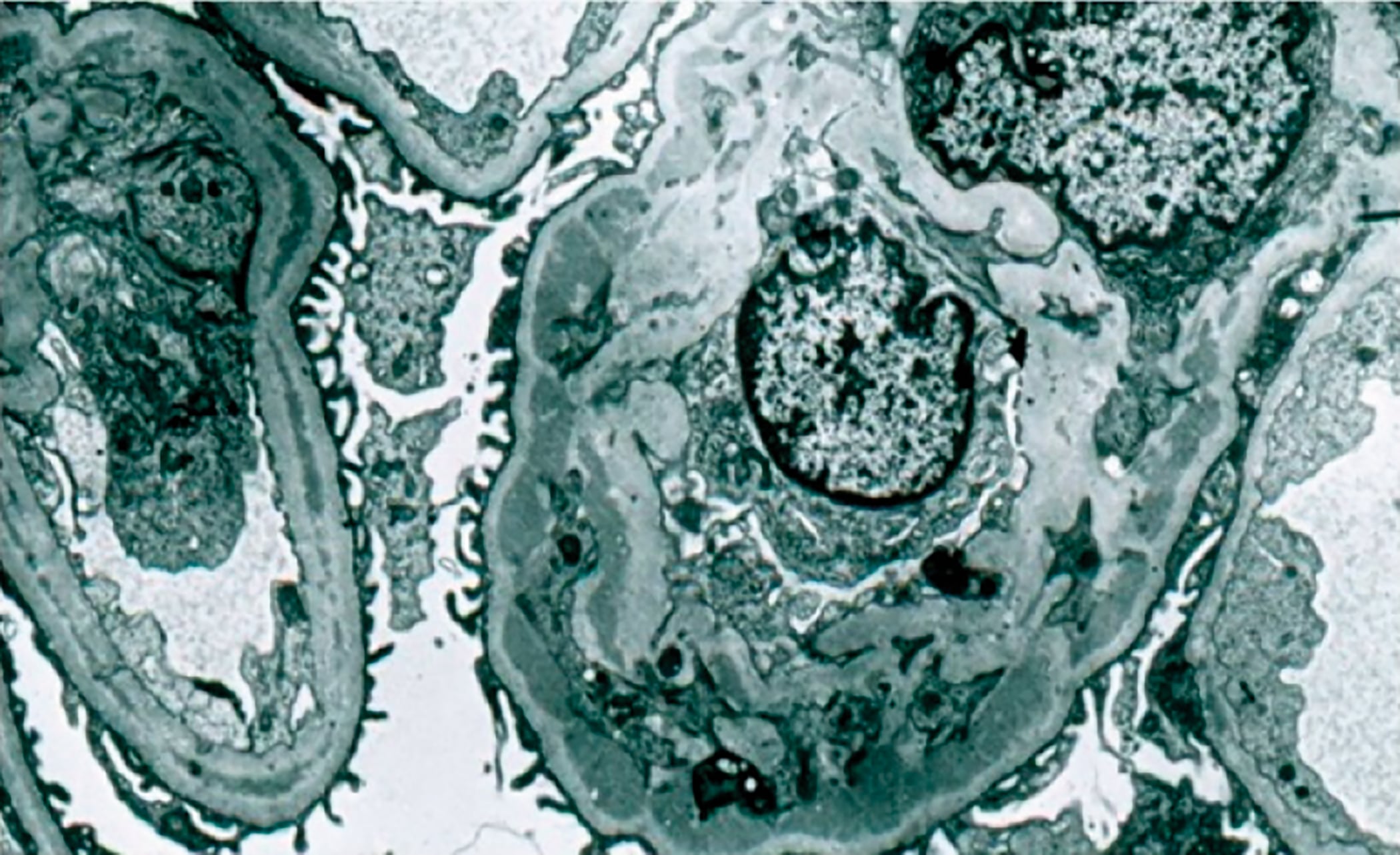
To diagnose C3 glomerulopathy (C3G) and distinguish it from other membranoproliferative glomerulopathies, a kidney biopsy is required in addition to measuring the concentration of the complement protein C3 in the blood. Complement deposits can be identified using electron microscopy and immunofluorescence. Clinical studies have shown that complement inhibitors offer significant therapeutic potential. Iptacopan and pegcetacoplan are particularly noteworthy in this regard—both complement inhibitors received an expanded indication for C3G in Switzerland this year.
Autoren
- Mirjam Peter, M.Sc.
Publikation
- HAUSARZT PRAXIS

Related Topics
You May Also Like
- Ischemic stroke: Are smaller or larger brain arteries affected?
Recent study findings on intravenous lysis therapy with fibrinolytic agents
- Interview
“On par with the gold standards for trauma”
- Psychology: Emotional Freedom Techniques (EFT)
Emotional Healing Through Tapping
- Systemic Lupus (SLE): What Does the Diagnosis and Treatment Toolbox Have to Offer?
Treat-to-Target – Consensus Recommendations for GC Tapering and the Use of DMARDs
- Interstitial Lung Diseases
Update on Idiopathic Pulmonary Fibrosis
- Psychedelic-assisted therapy
Current status of PAT
- Psoriasis and Obesity: Effects of Incretin-Based Therapies
Clinical trials shed light on the potential of semaglutide, liraglutide, and tirzepatide
- Eosinophils in the Blood in COPD