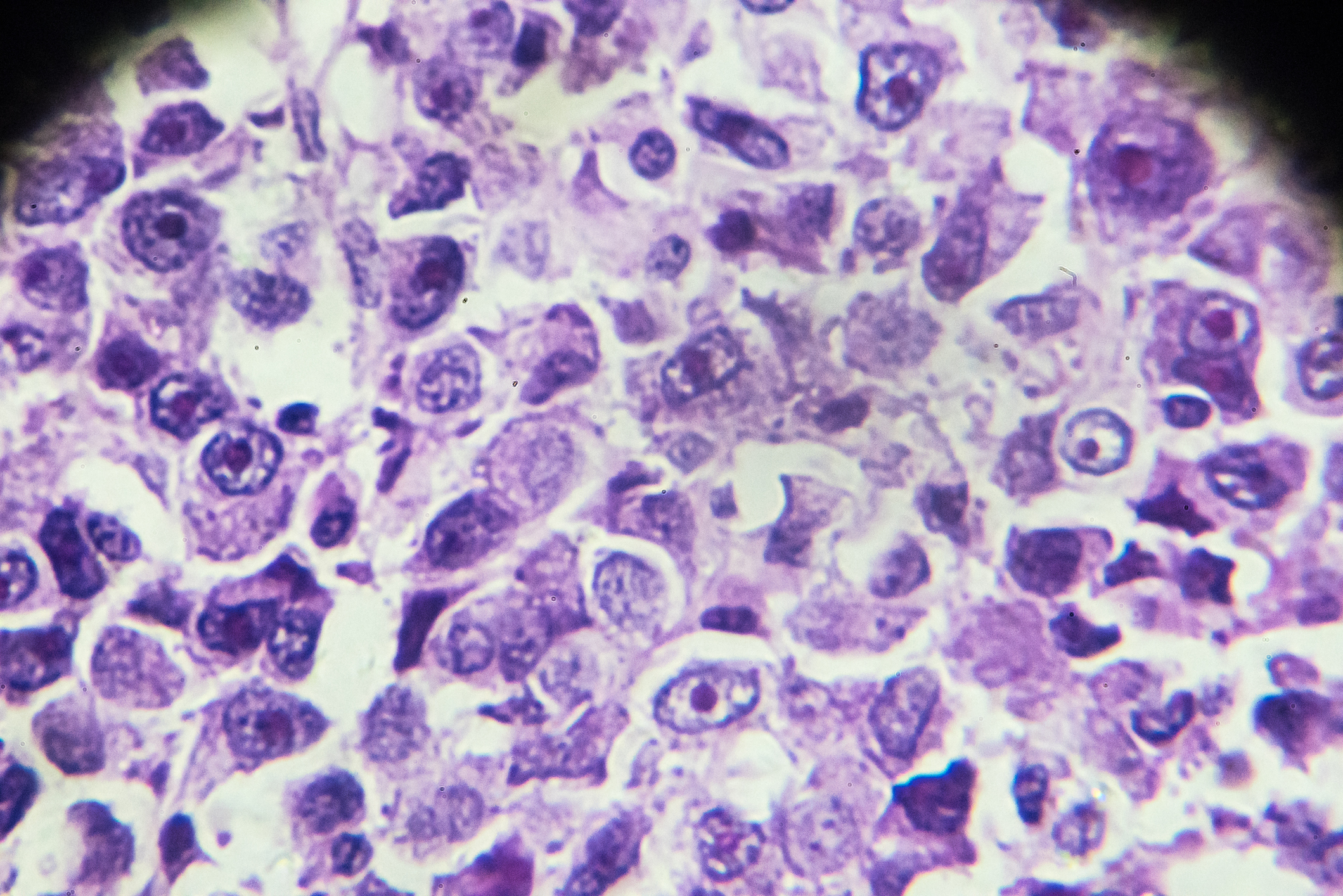
The EASL guidelines on the clinical management of hereditary cholestatic liver disease, published in 2024, suggest that genetic testing should be performed as early as possible in the diagnostic process after ruling out common causes. Along with a better understanding of the genes and proteins involved in biliary homeostasis and the increasing availability of genetic testing, more and more patients with adult-onset cholestasis are being tested for cholestasis genes that play a role in progressive intrahepatic familial cholestasis (PFIC).
Autoren
- Mirjam Peter, M.Sc.
Publikation
- HAUSARZT PRAXIS

Related Topics
You May Also Like
- Ulcerative colitis
Rgs14 protein can worsen the severity
- Mastocytosis
Innovative pathogenesis-based therapeutic approaches in the pipeline
- Participation of the patient
Adherence in psychiatry
- Psychooncology
Communication as the key to therapy adherence
- From symptom to diagnosis
Renal cell carcinoma
- Lipid management: ESC/EAS guideline update 2025
New recommendations on CVD risk classification, lipid lowering in statin intolerance and hoFH
- Chronically active MS lesions
New paradigm in the diagnosis and treatment of multiple sclerosis
- AI in neurology