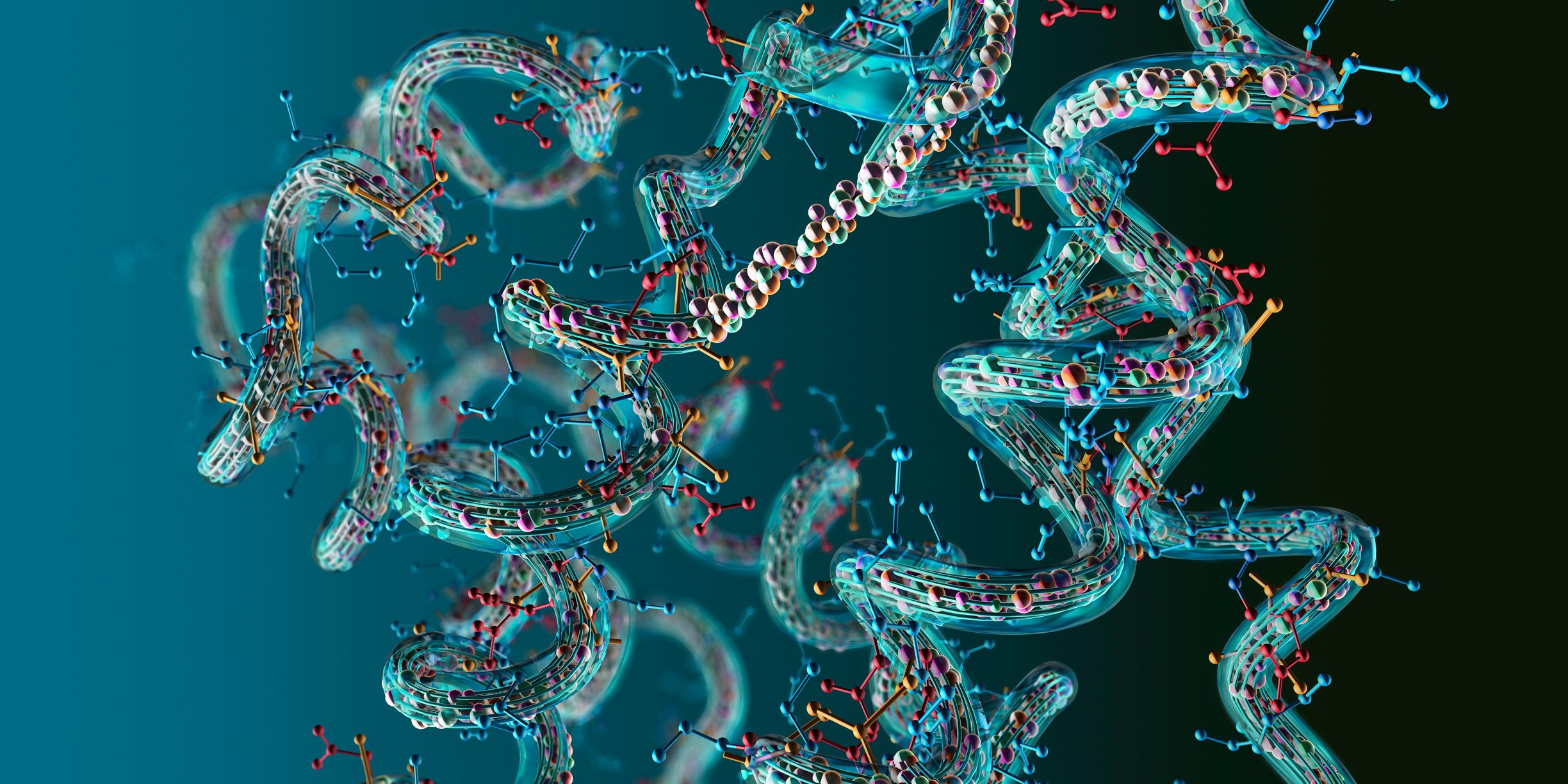
Advances in the understanding of the pathophysiology of transthyretin amyloid cardiomyopathy (ATTR-CM) have revolutionized the therapeutic landscape in recent years. TTR stabilizers such as tafamidis and acoramidis can reduce TTR instability and subsequent amyloid fibril formation, and gene silencing therapies with small interfering RNAs such as patisiran and vutrisiran or antisense oligonucleotide inhibitors such as inotersen and eplontersen also represent promising therapeutic options as they reduce TTR production. Further gene silencers, gene therapies and combined treatment strategies are being researched in ongoing studies.
Autoren
- Mirjam Peter, M.Sc.
Publikation
- HAUSARZT PRAXIS
Related Topics
You May Also Like
- Psychological dependence on AI assistants, smartphones and short videos
Algorithms, avatars and the unburdened mind
- The Brain and the Motivation to Eat
Why is it so hard to lose weight?
- Psychooncology
Communication as the key to therapy adherence
- Omaveloxolone for Friedreich's Ataxia
Efficacy and Safety Studied Over 6 Years
- Psoriasis: therapy with biologics and TYK-2-i
Progress assessments based on current long-term and real-world data
- Hypertension: the most important facts for daily practice
Early dual antihypertensive therapy is usually indicated
- Escitalopram for anxiety disorders
Positive effect, but no immediate improvement in symptoms
- Helicobacter pylori infection