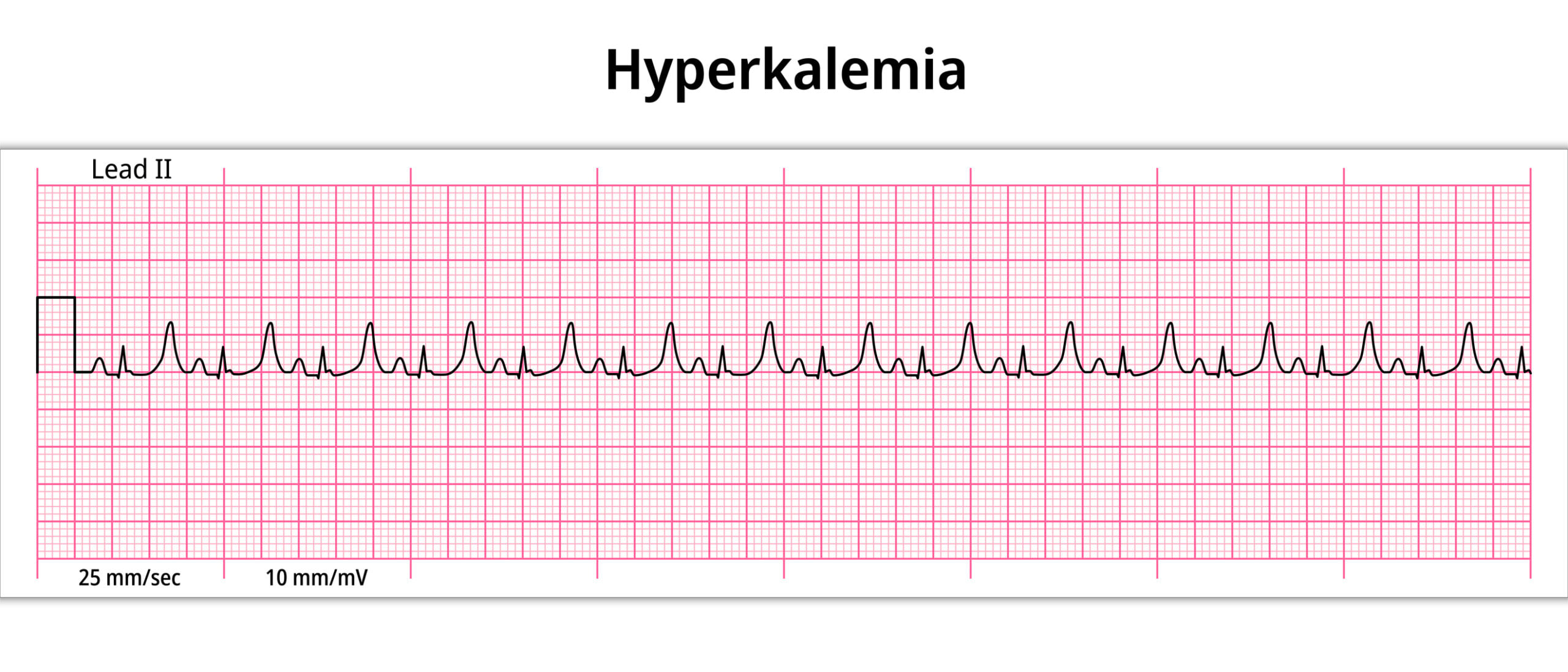
Renin-angiotensin-aldosterone system (RAAS) inhibitors—including mineralocorticoid receptor antagonists (MRAs)—are among the most effective tools in cardiorenal medicine. However, their benefits are often undermined in everyday clinical practice because fear of hyperkalemia leads to dose reduction or discontinuation. With the new potassium binders patiromer and sodium zirconium cyclosilicate (SZC), a well-studied strategy is now available for the first time that can overcome precisely this limitation: not to lower potassium for its own sake, but to enable and maintain life-prolonging RAASi therapy. The rapid rise of finerenone—with hyperkalemia as a key safety signal—lends new clinical urgency to this topic.
Publikation
- CARDIOVASC