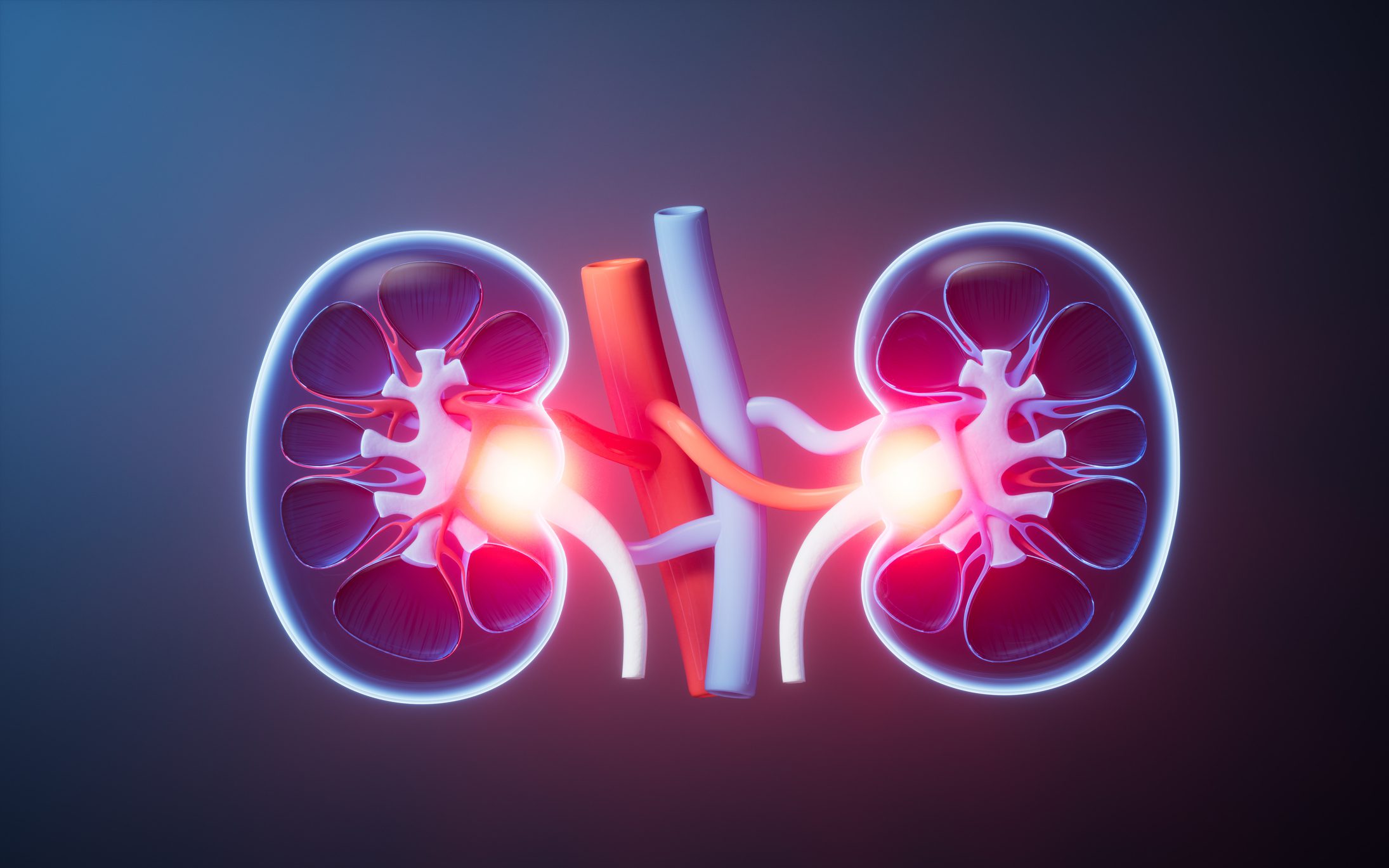
The understanding of idiopathic nephrotic syndrome (INS) is changing. While the majority of children with a steroid-sensitive or steroid-dependent course can be brought into remission with glucocorticoids and further immunosuppression, the steroid-resistant form remains a clinical challenge. The discovery of autoantibodies against the podocytic slit diaphragm protein nephrin opens up a new pathogenetic paradigm. A large multicenter study now shows that anti-nephrin autoantibodies are mainly found in steroid-sensitive and steroid-dependent courses, while they are largely absent in genetically determined or multidrug-resistant forms. This suggests that anti-nephrin antibodies not only reflect pathogenesis and prognosis, but could also guide therapeutic decisions.
Publikation
- Nephrologie-Special